

Lightweight 10,000mAh USB-C PD bank that slips into a pocket for reliable quick top-ups—ideal if you standardize on USB-C.
We may earn a small referral fee
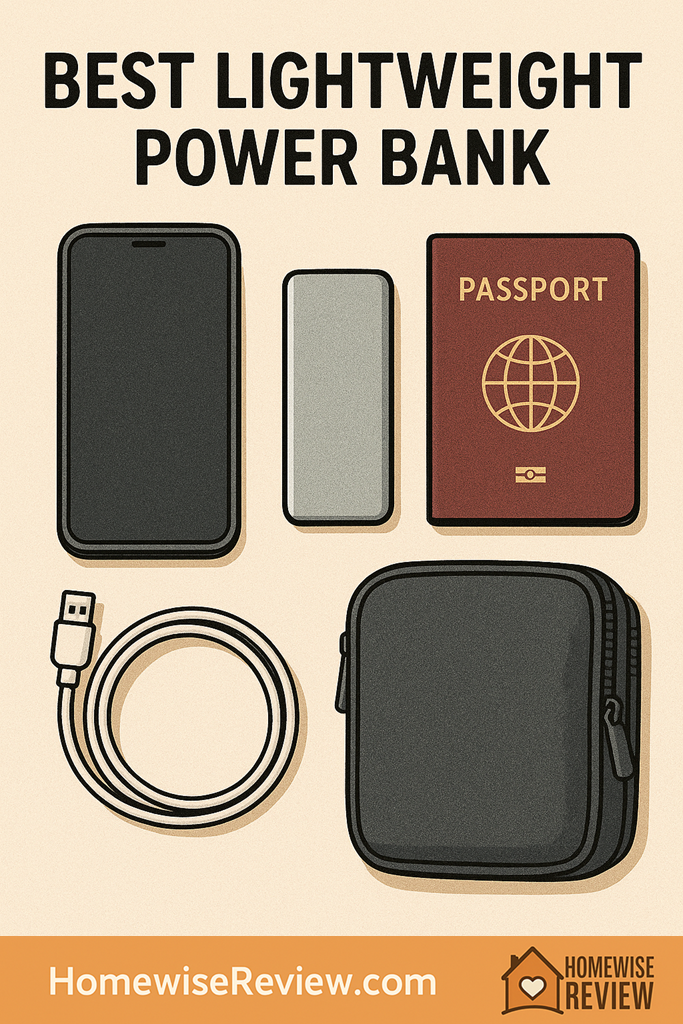
A power bank is only “portable” if you actually carry it. These lightweight picks keep your phone and earbuds topped up without turning your daypack into a brick.
In-depth Reviews
Nitecore NB10000 Gen2 Power Bank
- Noticeably lighter in a pocket than most 10K options
- Fast USB-C charging feels consistent, not finicky
- Grippy, rigid body is easy to handle while walking
- Minimal extras, it is built for function first
- Limited port selection compared with larger travel bricks
Anker PowerCore Slim 10000 PD
- Reliable wired charging for daily phone top-ups
- Slim shape packs easily next to a passport or wallet
- Good compatibility with a wide range of devices
- A bit heavier than ultralight specialist models
- Not ideal if you want built-in cables
Zendure SuperMini 10,000mAh (USB-C PD)
- Compact block shape fits small tech pouches well
- Strong wired charging for its size class
- Textured exterior is less slippery on the go
- More of a dense block than an ultra-slim slab
- Finish can show scuffs over time in rough bags
Anker 622 Magnetic Battery (MagGo)
- Magnetic attachment makes charging feel effortless
- Kickstand is practical for travel and workdays
- Great for topping off while still using your phone
- Wireless charging is slower and creates more heat than wired
- Primarily optimized for magnetic iPhone use
Anker Nano Power Bank (10,000mAh, 30W, Built-In USB-C Cable)
- Built-in cable cuts down on what you need to pack
- Fast wired charging for modern USB-C devices
- Great grab-and-go option for commutes and travel days
- Heavier than minimalist 10K options
- Built-in cable can be less flexible than your favorite long cord
Buying Guide
Travel Packing Tips: Get More Power With Less Bulk
Pick one cable strategy and stick to it. The easiest way to keep your kit light is to standardize on USB-C whenever you can. If you have mixed devices, pack one short USB-C cable plus a tiny adapter (USB-C to Lightning, for example) instead of multiple full-length cords.
Use your bank in “top-off” bursts. For better comfort and less heat, avoid keeping your phone attached for hours in a pocket. Top up to a comfortable buffer, then disconnect. You will also waste less energy to heat during long, slow charging sessions.
Know the airplane rule that matters. Keep power banks in your carry-on and avoid storing them fully drained for long stretches. Before a long trip, charge the bank and test it with your actual cable and device so you are not troubleshooting at the gate.
💡 Editor’s Final Thoughts
Final Verdict: The Nitecore NB10000 Gen2 is the top pick because it delivers genuine travel-friendly weight without feeling flimsy, and it still covers the charging speeds most people actually need on the road. If you want a more mainstream everyday option that is easy to replace anywhere, go with the Anker PowerCore Slim 10000 PD.
See also
If you’re streamlining your travel kit, pair your charging setup with Best Lightweight Body SPF Sprays You’ll Actually Reapply and Best Oil-Free Moisturizer: 4 Lightweight Picks That Actually Hydrate.
- date-night perfumes that travel well
- hair bleach picks and what to know before you buy
- tough toys for Pitbulls and other power chewers
Frequently Asked Questions ▾
How many mAh do I need in a lightweight power bank?
For most people, a lightweight 10,000 mAh power bank is the sweet spot: small enough to carry daily, but usually enough for roughly 1 to 2 phone recharges depending on your phone size and how you use it. If you mainly need emergency coverage for maps, rideshares, and boarding passes, a 5,000 mAh magnetic model can be more comfortable in a pocket and still rescue you when you hit single digits.
If you travel with a phone plus earbuds or a watch, prioritize a 10,000 mAh model with USB-C output so you can top up multiple devices without crawling behind outlets.
What makes a power bank “lightweight” in real life?
Weight is the headline, but shape matters just as much. A slim, phone-sized bank disappears in a sling or jacket pocket even if it weighs a bit more than an ultra-thin “card” style. Look for a finish that is not slippery, ports that do not feel loose, and a design that does not snag on fabric when you pull it out one-handed.
Also consider what you can leave behind. A bank with a built-in USB-C cable can let you skip packing an extra cord for short days, which often saves more travel friction than shaving another ounce off the bank itself.
Are power banks allowed on airplanes?
In general, power banks are allowed in carry-on bags and typically not allowed in checked luggage because they contain lithium batteries. Most airlines also cap the battery size at 100 Wh without special approval, and nearly all common 10,000 mAh travel banks fall under that limit. Before flying, make sure the bank has its rating printed on the body or in the manual, since gate agents may ask.
For smoother security screening, keep the bank in an easy-to-reach pocket of your personal item and avoid carrying loose, unprotected batteries where the contacts could short against keys or coins.
Will a lightweight power bank fast-charge my phone?
It can, but only if the bank supports fast-charging on the same standard your phone uses, and you pair it with a capable cable. For modern Android phones and iPhones using USB-C, prioritize USB-C Power Delivery support. For magnetic wireless banks, convenience is the point, not speed, so expect slower top-ups and more heat during charging compared with a wired connection.
If you care about fast charging, check that the USB-C port is labeled for output, not just input, and use a quality USB-C to USB-C cable for USB-C phones whenever possible.
How do I make a power bank last longer?
Heat and full-time storage at 100% are the two big life-shorteners. For everyday carry, charge it up, use it, and do not leave it baking on a dashboard or on top of a laptop that is already warm. If you are storing it for weeks, aim to leave it around the middle of its charge range rather than completely full or completely drained.
Also treat the ports gently. A lot of “power bank failures” are really worn cables or stressed connectors from charging while the bank dangles. When you can, keep the bank supported in your bag or pocket while charging.
As an Amazon Associate, we earn from qualifying purchases made through links on our site.