

Supportive, quick-drying tights that lock the waist, shrug off brush, manage sweat, and offer pockets that actually hold your phone and snacks.
We may earn a small referral fee
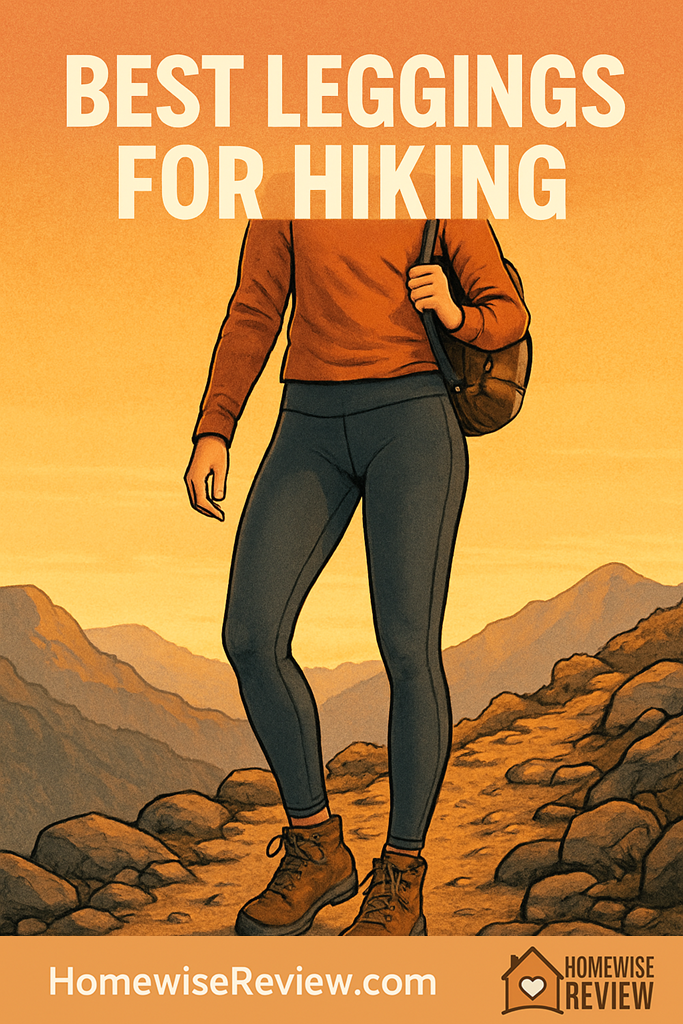
Hiking in the wrong leggings is a fast track to slipping waistbands, chafing seams, and snags from brush. These trail-tested picks prioritize stay-put fit, real durability, and pockets you can rely on.
In-depth Reviews
Patagonia Pack Out Hike Tights
- Stays put under a loaded pack
- Balances stretch with a more trail-durable feel
- Pocketing works well for phone and snacks
- Less cozy for lounging than ultra-soft studio leggings
- Can feel warm on very hot, exposed hikes
Fjallraven Abisko Trekking Tights Pro
- Reinforced areas add real abrasion protection
- Secure fit for high steps and steep descents
- More confidence on rock and brushy trails
- Less airy than lighter summer tights
- Premium price for the added durability
Athleta Rainier Tight
- Warm feel for cold starts and breezy ridgelines
- Comfortable range of motion for steep terrain
- Good option for layering under shells
- Too warm for hot summer hikes
- Can take longer to dry than thinner tights
Icebreaker Merino Blend Fastray High Rise Leggings
- Handles repeated wear with less funk
- Comfortable as a base layer or standalone
- Soft feel helps reduce irritation
- Less snag-resistant than rugged hiking tights
- Not the best choice for constant rock contact
Baleaf High-Waisted Hiking Leggings with Pockets
- Strong value for casual hiking
- Useful pockets for phone and small gear
- Comfortable for walking and travel
- More likely to snag or pill on rough rock
- Support and longevity vary more than premium options
Buying Guide
Quick Care Guide: Make Hiking Leggings Last Longer
Wash for performance, not just cleanliness. Turn leggings inside out, skip fabric softener, and air-dry when you can. Softener and high heat can make technical knits hold onto odors and lose their recovery, which shows up as saggy knees and a waistband that starts sliding mid-hike.
Prevent pack-hip abrasion and pilling. If your hipbelt rubs one spot every hike, rotate between two pairs so the same zone is not getting ground down weekly. For routes with a lot of granite, consider wearing lightweight trail shorts over leggings. It is an easy way to protect the seat and upper thighs without giving up the mobility you like.
Fix the small issues before they ruin a long day. If seams irritate you, a thin swipe of anti-chafe balm where your thigh meets your hip can help. If your phone pulls down a pocket, use a smaller waist pocket for steep descents, or flip the phone so the heavier end sits higher on your thigh.
💡 Editor’s Final Thoughts
Final Verdict: If you want one pair that balances comfort, practical pocketing, and trail-ready performance, the Patagonia Pack Out Hike Tights are the most reliable all-around pick. Go with the Fjallraven Abisko Trekking Tights Pro if you routinely scrape against rock or push through brush and want extra toughness where it counts.
See also
If your leggings are coming home damp (or your storage space runs humid), these top dehumidifiers for drying outdoor gear pair perfectly with home mold test kits for peace of mind in damp storage areas.
- Bedroom alarm clocks that make early hikes easier
- Tiny lifestyle upgrades for faster hike prep
- Mini appliances and tools that help with small-space trip planning
Frequently Asked Questions ▾
Are leggings actually good for hiking, or should I wear hiking pants?
Leggings are great for day hikes, maintained trails, and any time you want freedom of movement, easy layering, and a close fit that will not catch on brush. If you expect heavy bushwhacking, sharp rock, or long sits on rough surfaces, hiking pants still win for abrasion resistance and bug protection. A rugged hiking tight (with reinforced panels) is the middle ground that works for a lot of people.
What fabric works best for hiking leggings in hot weather?
Look for a slick, sweat-wicking performance knit that dries fast and does not feel cottony once it is wet. A slightly firmer, more compressive fabric usually handles pack-hip friction better than super buttery studio fabrics. If you are very sun-sensitive, prioritize a denser knit that is less see-through when stretched and feels protective on exposed climbs.
How should hiking leggings fit to prevent chafing and sliding?
You want a waistband that stays anchored when you lift a knee high and when you tighten your hipbelt. A secure feel at the waist and upper thigh matters more than compression everywhere. If you are between sizes, size for a no-roll waistband and smooth seams, then test at home by stepping up onto a chair and doing a few deep squats.
Do pockets on leggings actually work on the trail?
They do, but pocket placement matters. Thigh drop-in pockets usually hold a phone securely without bouncing, and they are easy to access without removing a pack. Small back waistband pockets are best for a key, a card, or a folded map note, not a heavy phone on steep descents.
Can I layer hiking leggings under rain pants or snow pants?
Yes. For rain pants, a smooth-surface tight slides under shells more comfortably than a fuzzy, brushed interior. For cold weather, a warmer tight under a wind shell is a flexible combo: you can shed the shell on climbs and keep it for exposed ridgelines.
As an Amazon Associate, we earn from qualifying purchases made through links on our site.