

A low-fuss lavandin that blooms heavily, smells strong, and tolerates humidity and mixed weather better than many lavenders.
We may earn a small referral fee
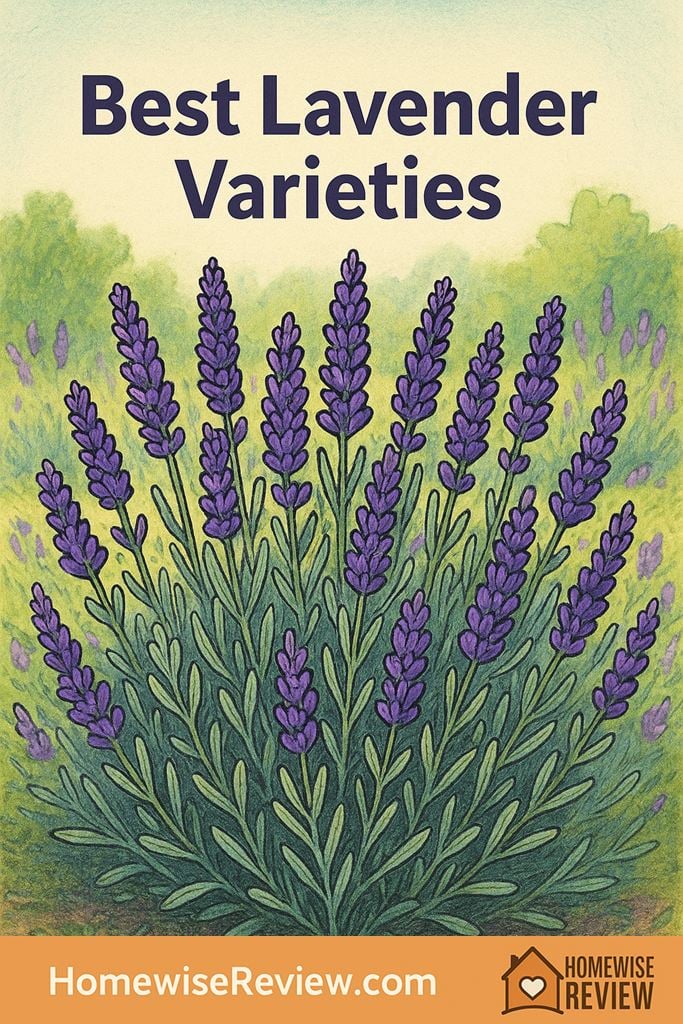
Picking the wrong lavender can mean leggy plants, winter loss, or weak blooms. These top varieties are the reliable choices for strong fragrance, better flowering, and less fuss in real backyards and containers.
In-depth Reviews
Lavandula x intermedia ‘Phenomenal’ (Phenomenal Lavender)
- Very consistent flowering and fragrance
- Handles challenging weather better than many lavenders
- Makes a full, attractive mound without constant shaping
- Can outgrow tight border spaces
- Not the best choice if you want a very compact edging plant
Lavandula angustifolia ‘Hidcote’ (Hidcote English Lavender)
- Dense growth that looks neat in borders
- Deep purple color stands out in mass plantings
- Classic sweet lavender scent
- Needs excellent drainage to avoid winter decline
- Can get woody if pruning is skipped for years
Lavandula angustifolia ‘Munstead’ (Munstead English Lavender)
- Reliable in colder climates when well-drained
- Compact size is easy to maintain and place
- Good fragrance for fresh cutting and sachets
- Smaller plant means smaller harvest per plant
- Still dislikes heavy, wet soils in winter
Lavandula x intermedia ‘Grosso’ (Grosso Lavender)
- Produces lots of cuttable stems for drying
- Powerful fragrance that carries in the garden
- Strong visual impact in larger plantings
- Can look oversized in small beds
- Fragrance can be sharper than English lavender for some uses
Lavandula stoechas ‘Anouk’ (Anouk Spanish Lavender)
- Showy flowers that pop in pots and small spaces
- Can bloom repeatedly in mild climates
- Great for adding lavender “look” where space is limited
- Less cold-hardy than English and lavandin types
- Hates wet winter conditions and heavy soils
Buying Guide
Quick Care Playbook: How to Keep Lavender Dense, Fragrant, and Alive
Start with drainage, not fertilizer. Lavender is at its best in lean, fast-draining soil. If your bed holds water after rain, fix that before planting: mound the planting area, choose a slope, or amend with gritty material so water moves through quickly. Skip rich compost pockets that stay damp, and avoid heavy mulches piled against the crown. Lavender usually needs little to no feeding; too much fertility can push soft growth that flops and flowers less.
Water like a drought plant, even when it’s young. New transplants need consistent moisture while they root in, but the key is how you water: soak thoroughly, then let the soil dry down. That dry-down period encourages roots to search and strengthens the plant. Once established, most in-ground lavenders do better with occasional deep watering than frequent sips. In pots, water until it runs out the bottom, then wait until the mix is noticeably dry and the pot feels lighter before watering again.
Prune for shape, and time it around blooms. Lavender rewards you for one good shaping session each year. After the main bloom, shear to form a rounded mound and remove spent stems, keeping cuts in the leafy portion of the plant. In early spring, do a lighter cleanup to remove winter damage and encourage fresh shoots. Try not to hard-prune into old, leafless wood, and avoid a severe late-fall cut in colder climates since tender new growth can be damaged before it hardens off.
Worth Knowing Before You Buy
Do not shop these lavenders by flower color first. If your soil stays wet after rain or your summers are humid, the wrong one gets leggy, flops over, or dies back in winter, while ‘Phenomenal’ is the one the article singles out as handling humidity and mixed weather better than the others. For heavy soil or sticky air, drainage tolerance matters more than looks.
💡 Editor’s Final Thoughts
Final verdict: If you want the safest all-around choice, pick ‘Phenomenal’ for strong bloom and fewer headaches across a wider range of conditions. For a classic English lavender look and aroma, choose ‘Hidcote’ or ‘Munstead’; for maximum drying harvest, go with ‘Grosso’, and for showy container color in mild climates, plant Spanish lavender ‘Anouk’.
See also
For comfortable harvesting and a cleaner trim, start with the best garden gloves for pruning lavender and keep a sharp pair of snips handy from our best garden tools for backyards, balconies, and raised beds guide.
- Easy-bloom flower seeds to pair with lavender for long-season color
- A practical guide to garden fertilizers (and when lavender needs none)
- Garden design books that help plan borders and paths around lavender
Frequently Asked Questions ▾
What’s the difference between English lavender, lavandin, and Spanish lavender?
English lavender (Lavandula angustifolia) is the classic “true lavender” with a sweet, clean fragrance and excellent cold tolerance for many gardens. Lavandin (Lavandula x intermedia) is a hybrid that typically grows larger and pumps out lots of flowers, making it a favorite for drying bundles and strong scent, but it can be a little less tidy in small beds. Spanish lavender (Lavandula stoechas) is the showy one with “rabbit ear” bracts on top of the flower heads and long bloom in mild climates, but it’s usually less cold-hardy and can be fussier about winter wet.
Which lavender varieties are best for cooking?
For culinary use, stick with English lavender types (Lavandula angustifolia) because the flavor is generally sweeter and less camphor-forward. ‘Hidcote’ and ‘Munstead’ are common go-to choices since their aroma is strong without tasting medicinal when used sparingly. Lavandin types like ‘Grosso’ can be too pungent for many recipes, especially desserts, and Spanish lavenders are typically grown more for looks than for the kitchen. No matter the variety, use a light hand: start with a small pinch of buds, then adjust, because lavender can quickly overpower other flavors.
How much sun and water does lavender really need to thrive?
Lavender wants full sun and fast-draining soil more than it wants frequent watering. In the ground, established plants usually do best with deep, occasional watering rather than a “little every day” routine that keeps the root zone damp. Overwatering and poor drainage are the most common reasons lavender declines, especially in winter when cold, wet soil can lead to root rot. If your soil is heavy, prioritize drainage before you plant by mounding soil, planting on a slope, or mixing in grit to open up the structure. In containers, water thoroughly, then let the pot dry down noticeably before watering again.
When and how should you prune lavender so it stays compact and keeps blooming?
The goal is to keep lavender from turning into a woody, open-centered shrub. After the main flush of blooms, shear the plant back to shape it, aiming to remove spent flower stems and a portion of the soft green growth. Avoid cutting deep into old, leafless wood, since many lavenders do not reliably regrow from bare stems. In early spring, do a lighter cleanup prune to remove winter damage and encourage fresh shoots, then let the plant build energy for flowering. If you’re harvesting stems for drying, that harvest can count as your light summer prune, as long as you still shape the plant afterward.
Can lavender grow well in pots on a patio or balcony?
Yes, and container growing can actually make lavender easier because you control drainage. Use a pot with generous drainage holes and a gritty, fast-draining mix, then place it in the sunniest spot you have. Spanish lavender varieties like ‘Anouk’ are popular in pots for long blooming in mild climates, while ‘Hidcote’ and ‘Munstead’ stay compact and look neat in smaller containers. The biggest watch-outs are overwatering and winter protection: pots dry out faster in summer, but roots can also suffer in cold, wet conditions. In colder areas, move containers to a sheltered spot where they avoid constant saturation and harsh wind.
As an Amazon Associate, we earn from qualifying purchases made through links on our site.