

Stable, predictable cast-iron bell with a comfortable powder-coated handle—ideal for learning swings, squats, and presses and keeping long-term.
We may earn a small referral fee
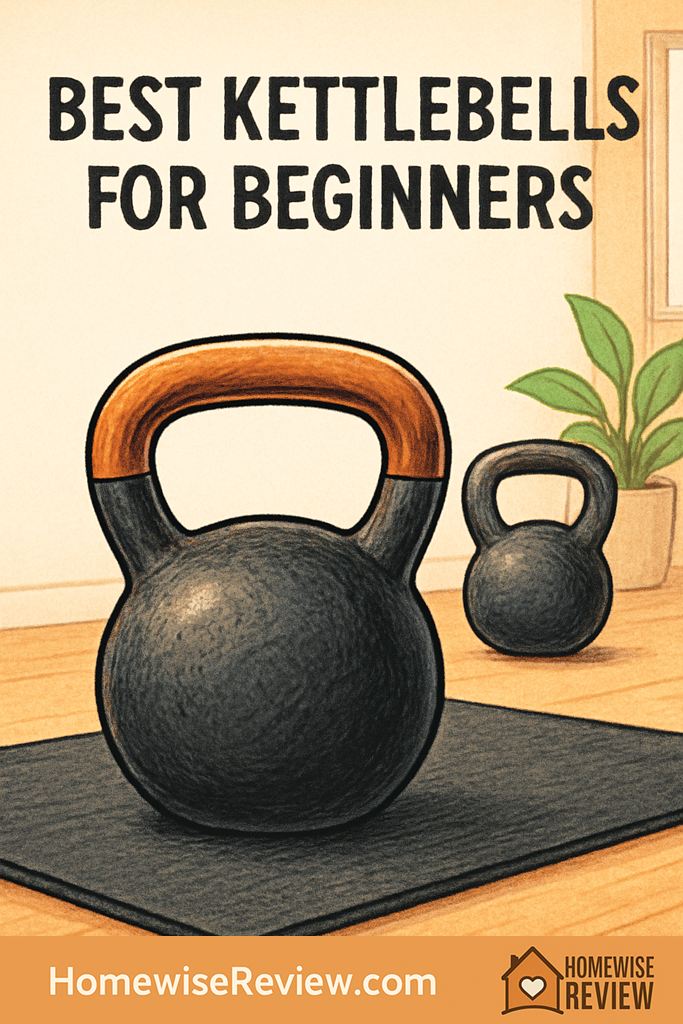
You want a kettlebell that feels safe and predictable while you learn, not one that chews up your hands or wobbles on the floor. These picks make it easier to start strong and build good form fast.
In-depth Reviews
REP Fitness Cast Iron Kettlebell (Powder Coat)
- Stable, predictable feel through swings and cleans
- Comfortable handle texture for high-rep practice
- Solid base that parks cleanly between sets
- You buy each weight separately
- Finish can show chalk and scuffs over time
Bowflex SelectTech 840 Adjustable Kettlebell
- Lets you match weight to each exercise without clutter
- Fast changes keep workouts moving
- Great value versus buying several separate bells
- Bulkier shape can feel awkward for cleans and snatches
- Not the same smooth feel as a one-piece bell
Kettlebell Kings Competition Kettlebell
- Consistent rack feel that supports cleaner technique
- Smooth handling for skill-focused practice
- Reliable for progressing into more advanced kettlebell lifts
- Typically pricier than basic cast iron
- Harder on flooring if you set it down carelessly
Rogue Powder Coat Kettlebell
- Dependable balance that feels natural in common lifts
- Grippy finish that plays well with chalk
- Great long-term durability for frequent use
- Higher cost than many beginner options
- You still need multiple bells to progress by weight
Hyperwear SoftBell Kettlebell
- More forgiving on floors during set-downs and transitions
- Less noisy for home training
- Confidence-boosting for early practice and carries
- Not as crisp a feel for high-speed ballistic reps
- May not satisfy purists who want traditional iron
Buying Guide
What We Wish We Knew Before Buying a First Kettlebell
One bell can be enough, but pick the movements first. If your plan is swings, goblet squats, carries, and deadlifts, one moderately challenging kettlebell goes a long way. If your plan includes overhead presses and Turkish get-ups, you may want a lighter second bell sooner than you think, because pressing strength usually lags behind hinge strength.
Your hands will quit before your lungs if the handle is wrong. Beginners often blame grip weakness when the real issue is a rough seam or a slick finish. If you can, chalk lightly and focus on a relaxed hook grip during swings. Avoid death-gripping the handle, because that accelerates hot spots and makes your shoulders tense up.
Protect your floor and your momentum with a simple landing zone. A small rubber mat or a dedicated corner of dense flooring keeps you from babying every set-down. That matters more than it sounds, because confident transitions keep your workout flowing. Even with a soft kettlebell, practice placing the bell down quietly and under control, since that habit carries over to heavier bells later.
💡 Editor’s Final Thoughts
Final Verdict: The REP Fitness Cast Iron Kettlebell is the top pick for most beginners because it delivers the most predictable, confidence-building training feel across the basic lifts. If space is tight or you’re unsure about starting weight, the Bowflex SelectTech 840 Adjustable Kettlebell is the simplest way to cover multiple loads without buying a rack of bells.
See also
If you’re building a compact setup around one or two tools, start with our best home gym equipment for small spaces guide.
- TrailViber walking pad treadmill review for easy at-home cardio
- Peloton bike review for structured indoor cycling workouts
- Theragun Prime review for post-workout muscle recovery
Frequently Asked Questions ▾
What weight kettlebell should a beginner start with?
Start with a weight you can deadlift, swing, and goblet squat with crisp form, then stop before your technique gets sloppy. For many adults, that lands around a light-to-moderate bell for lower-body moves and something lighter for presses and Turkish get-ups. If you’re torn between two weights, go lighter and plan to progress, because quality reps build skill faster than grinding. An adjustable kettlebell can also be a smart way to dial in the right load per exercise.
Is cast iron or competition style better for beginners?
Either can work, but they feel different in your hands and against your forearm. Cast iron bells change size as the weight goes up, which is fine for most home lifters and usually costs less for the same load. Competition bells keep a more consistent shape across weights, so the rack position and clean catch feel more repeatable as you progress. If you want a single bell to learn on, cast iron is a simple, solid start. If you care about consistent technique as you add heavier bells, competition style is a clean upgrade.
Are adjustable kettlebells safe for swings?
They can be, as long as the locking mechanism is truly secure and the bell doesn’t rattle or shift during fast reps. Before your first workout, set the weight, lock it, and do a few controlled deadlifts and short swings to confirm nothing moves. Also pay attention to the bell’s shape, because some adjustables are bulkier and may bump your wrists or thighs until your hinge pattern is dialed in. If you plan to swing often and hard, a traditional one-piece bell is the most confidence-inspiring feel. For mixed training in a small space, adjustable can be a very practical compromise.
How many kettlebells do I need to get started?
You can get a lot done with one kettlebell, especially if you focus on swings, goblet squats, deadlifts, carries, and simple presses. The moment you start pressing overhead seriously, you may want a second, lighter bell for upper-body work. A second identical bell becomes useful later for double-kettlebell squats, cleans, and presses, but it is not required to start. If you want the simplest path, begin with one bell and add weight once you can own the basics with steady breathing and consistent range of motion.
What should beginners avoid when buying a kettlebell?
Skip bells with rough, sharp seams on the handle, because they tear up your hands and make practice miserable. Be cautious with very glossy finishes that feel slick once your palms get sweaty, especially for swings and cleans. Also avoid unstable bases that rock or wobble when you set the bell down, since that tends to show up as inconsistent casting or poor machining. Finally, do not let a low price push you into an odd shape that bangs your wrists or forearms, because discomfort is a fast way to quit. A boring, well-made kettlebell is usually the one you keep using.
As an Amazon Associate, we earn from qualifying purchases made through links on our site.