

Lightweight yet planted underfoot, it offers dependable grip and ankle support for muddy banks, slick grass, and long approaches.
We may earn a small referral fee
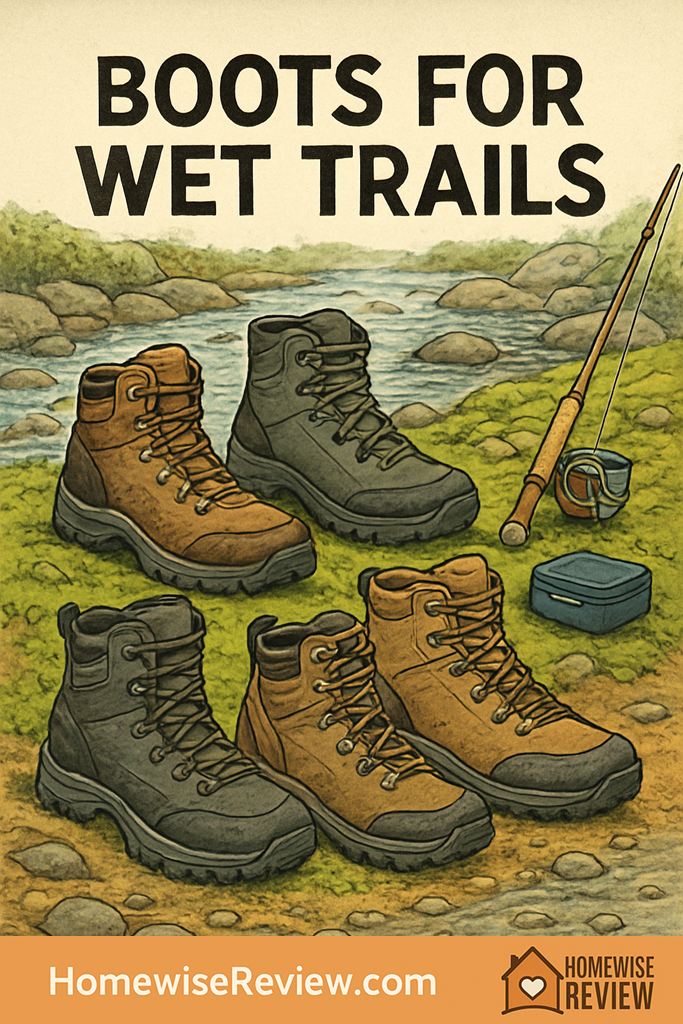
A long walk to the water is miserable in boots that slip, soak through, or leave your ankles tired before the first cast. The right hiking boot keeps you steady on muddy banks, comfortable on the trail, and ready for a full day of fishing.
In-depth Reviews
Salomon X Ultra 4 Mid GORE-TEX Hiking Boots
- Excellent grip on mixed terrain
- Light feel for longer approaches
- Stable without bulky stiffness
- Forefoot can feel narrow
- Less plush than softer boots
Merrell Moab 3 Mid Waterproof Hiking Boots
- Very comfortable out of the box
- Strong value for the money
- Good all-around trail versatility
- Moderate support on rough terrain
- Less precise on slippery rock
La Sportiva Ultra Raptor II Mid GTX Hiking Boots
- Excellent control on rough terrain
- Secure fit for steep descents
- Strong protection around rocks
- Fit can feel narrow
- Less cushioned than comfort-first boots
KEEN Targhee III Waterproof Mid Hiking Boots
- Roomy toe box
- Comfortable from day one
- Good everyday trail traction
- Not the most supportive option
- Bulkier feel than lighter trail boots
LOWA Renegade GTX Mid Hiking Boots
- Outstanding support on uneven ground
- Durable leather construction
- Stable with heavier gear loads
- Pricey
- Runs warmer and heavier than lighter boots
Buying Guide
Quick Care Guide for Muddy, Fishy Boots
Before you toss dirty boots in the trunk, knock off packed mud and rinse away silt, especially around the outsole lugs and lower stitching. Fine grit acts like sandpaper over time, wearing down fabric, leather, and lace hardware faster than most people realize. At home, pull the insoles, loosen the laces, and let the boots dry with steady airflow instead of direct heat, which can harden leather and weaken glue.
For better traction near the water, pay as much attention to rubber compound and overall stability as you do to aggressive tread. Deep lugs are great for sloppy trails, but sticky rubber and a planted platform often feel more trustworthy on damp roots, boat ramps, and uneven shoreline rock. If you regularly walk silty banks, a well-defined heel brake also helps on the climb back out.
One simple upgrade many anglers overlook is sock choice. Midweight merino socks handle sweat far better than cotton, cushion longer walks, and reduce that clammy feeling waterproof boots can develop by midday. If you know the day will include launches, splashes, or surprise rain, packing one dry pair for the drive home makes a bigger difference than most gear upgrades.
💡 Editor’s Final Thoughts
The Salomon X Ultra 4 Mid GORE-TEX Hiking Boots are the easiest all-around pick because they combine confident traction, light trail feel, and enough support for most fishing access routes. If your walk-in is rougher and you want a sturdier boot that holds up beautifully over time, the LOWA Renegade GTX Mid Hiking Boots are the premium upgrade worth the spend.
See also
After a wet day on the river, a best dehumidifier for drying wet boots can help your footwear dry faster, and home mold test kits for damp gear are helpful if musty storage is already a concern.
- Our home vacuum guide for mud, sand, and grit cleanup
- Cooling bedding picks for overheated sleepers after hot-weather trips
- Top home blood pressure monitors for simple daily checks
Frequently Asked Questions ▾
Are hiking boots actually good for fishing?
Yes, especially for bank fishing, shoreline walks, pond hopping, and stream access where the hardest part is getting to the spot safely. A good hiking boot gives you better ankle support, better trail traction, and more comfort than casual rain boots or old sneakers. That said, hiking boots are best for getting to the water and fishing near it. They are not the right tool for repeated deep wading or fast current.
Should fishing hikers choose waterproof or non-waterproof boots?
For most anglers, waterproof is the better call. It helps with wet grass at sunrise, muddy launch areas, shallow puddles, and damp banks that would soak regular trail shoes. The trade-off is heat. Waterproof boots can feel warmer in summer, and once water gets in over the cuff, they usually dry more slowly. If you fish in hot weather and regularly get fully soaked, a dedicated wading setup or a quick-drying trail shoe may make more sense.
What outsole works best on wet rocks and muddy banks?
Look for sticky rubber and a tread pattern that balances grip with mud shedding. Deep lugs help on soft dirt and slippery trails, while flatter contact zones often feel more predictable on boat ramps, packed soil, and damp rock. No standard hiking outsole is magic on algae-slick stone, so careful foot placement still matters. If your usual water is rocky and fast, purpose-built wading boots are safer than any hiking model.
Are mid-cut boots better than low hiking shoes for fishing?
Usually, yes. Mid-cut boots give you a little more ankle support when you are stepping around riprap, uneven banks, roots, and loose gravel with rods or a pack in hand. They also keep out more grit and shallow splashes. Low shoes can feel cooler and lighter, which some anglers prefer for easy lakeside paths, but mids tend to be the more versatile choice if your routes are uneven or unpredictable.
Can I use these boots for kayak launches or shallow wading?
They can handle shallow launches, damp shorelines, and quick steps into the water, as long as you stay below the collar and do not expect them to act like waders. Once water pours over the top, even a waterproof boot can become heavy and uncomfortable. For kayak anglers, these work best when most of the day is spent walking, scouting banks, or launching from muddy edges, not standing in the water for extended stretches.
As an Amazon Associate, we earn from qualifying purchases made through links on our site.