

Gives a buildable, high-impact sheen that sits on set foundation without melting into oily-looking streaks.
We may earn a small referral fee
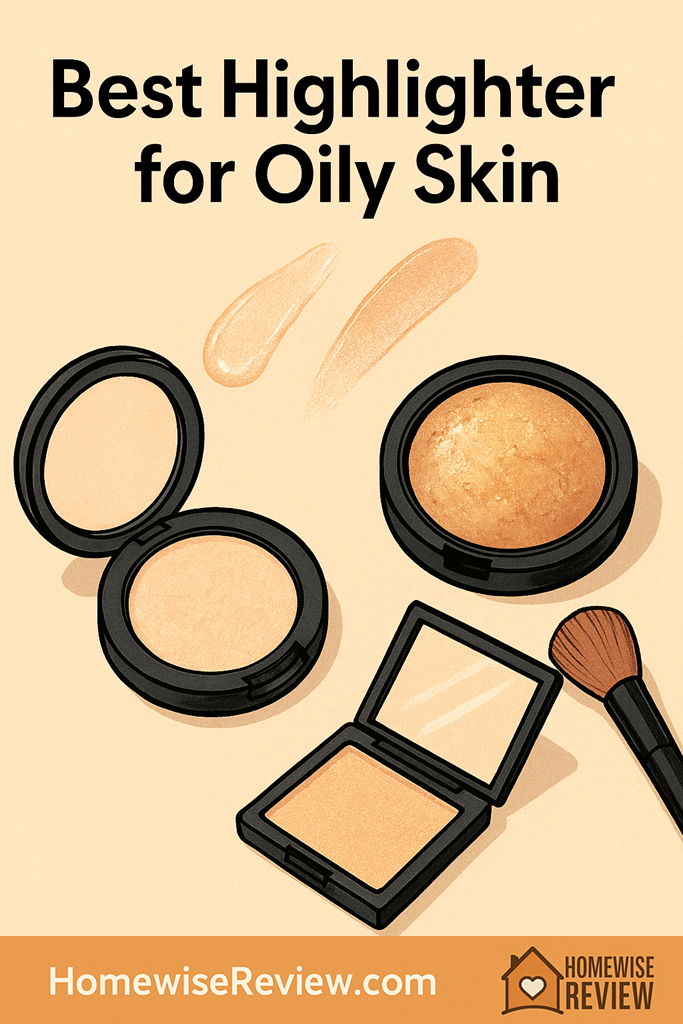
If your highlight melts into a slick patch by noon, the formula is working against you. These highlighters give a clean, controlled glow that holds up on oily skin.
In-depth Reviews
Fenty Beauty Killawatt Freestyle Highlighter
- Builds fast without turning chunky
- Holds up well over a set base
- Easy to control placement and blend the edges
- Some shades can look intense in direct sunlight if over-applied
- Highly reflective finishes can emphasize texture if placed too low on the cheek
MAC Extra Dimension Skinfinish
- Smooth, low-dust application
- Layers well without caking
- Gives a glossy glow without feeling wet
- Very reflective shades can spotlight pores if you use a large fluffy brush
- Needs careful placement to avoid the center-cheek area
Laura Mercier Matte Radiance Baked Powder
- Fine sheen that’s forgiving on texture
- Builds slowly, so it’s hard to overapply
- Looks natural in daylight and photos
- Not ideal if you want a dramatic, foiled highlight
- Deeper skin tones may prefer a more noticeably reflective option
Hourglass Ambient Strobe Lighting Powder
- Creates a diffused glow that’s hard to make greasy
- Plays well with other powders and blush
- Great for a “polished skin” finish
- If you want a strong highlight, you may need extra layers
- Some shades can show shimmer more noticeably under harsh lighting
Maybelline FaceStudio Master Chrome Metallic Highlighter
- Very strong payoff for the price
- Builds quickly for evening looks
- Easy to spot-apply to high points
- Can look too metallic in daylight if overdone
- More likely to emphasize pores if you use a heavy hand
Buying Guide
What We Wish We Knew: The “Set, Then Glow” Method for Oily Skin
Step 1: Set your base before you highlight. On oily skin, the cleanest highlight usually happens over a set foundation, not over tacky makeup. Lightly set the cheek area where you plan to highlight, then add your highlighter on top in thin layers. This reduces slipping and helps the glow stay where you placed it.
Step 2: Treat highlighter like placement, not coverage. Keep the brightest point on the top of the cheekbone and slightly toward the outer eye. If you bring shimmer into the center of the cheek, it can merge with oil and make pores look larger. A smaller brush (or even the corner of a sponge) helps you stay precise.
Step 3: Make touch-ups oil-first, product-second. Midday shine is normal, but don’t “powder over” it with more highlight. Blot first, then reapply the tiniest amount only if needed. You’ll keep the glow intentional instead of building a thick reflective layer.
💡 Editor’s Final Thoughts
Final Verdict: If you want one highlighter that flatters oily skin in real life and in photos, Fenty Beauty Killawatt Freestyle Highlighter is the top pick for its smooth payoff and staying power. For a more refined, soft-focus sheen that’s harder to overdo, Hourglass Ambient Strobe Lighting Powder is the easiest “polished glow” option.
See also
For the longest-wearing glow, start with a base that controls shine like Best matte primers for oily skin, then refine and set without flashback using setting powders that don’t age you in photos.
- Subtle highlighters that look great in office lighting
- How to choose the right brush for your highlighter formula
- Dewy setting sprays (when you want glow without adding slip)
Frequently Asked Questions ▾
Why does highlighter look greasy on oily skin even when it’s not a glittery formula?
On oily skin, shine tends to spread outward from the T-zone and upper cheeks, so a reflective product can amplify that natural oil and read as “wet” instead of “glowy.” It also happens when the base underneath is still tacky, so the highlight grabs unevenly and then breaks apart as oil comes through.
For a cleaner finish, choose a drier powder or a gel-powder texture, keep placement slightly higher (top of cheekbone, not the center of the cheek), and set your base before highlighting.
Should I use powder or liquid highlighter if I have oily skin?
Most oily skin does best with powder or baked formulas because they don’t add extra slip and are easier to touch up. Liquid can work, but only if it sets down and you apply it sparingly over a set base.
If you love the look of liquid, treat it like a thin veil: tap on a tiny amount, let it set, then lightly dust a translucent powder around (not directly on) the brightest point to keep the edges from turning shiny.
How do I keep highlighter from emphasizing pores and texture?
Texture shows up when the pearl is too large or when you apply product where skin naturally has more visible pores. Stick with finely milled satin or soft-focus shimmers and avoid placing highlight on the inner cheek area next to the nose.
Application matters as much as formula: use a smaller brush, build in thin layers, and buff the edges so the shine looks like a gradient instead of a stripe sitting on top of skin.
Can I put highlighter on top of setting powder?
Yes, and for oily skin it’s often the most reliable way to prevent slipping. Set your base first, then add highlighter in light layers so it sits smoothly and stays where you placed it.
If the highlight looks dusty on top of powder, switch to a denser brush and press the product in first, then do a quick, gentle buff to blend. You’ll get adhesion without emphasizing dryness.
What’s the best way to touch up highlighter during the day without piling on makeup?
Blot first, always. If you add more highlight on top of oil, it can turn metallic and emphasize texture fast.
After blotting, reapply a tiny amount only on the highest point where light hits. If you need to re-perfect the area, tap a whisper of translucent powder around the highlight (not over it) so the glow stays bright but the surrounding skin stays controlled.
As an Amazon Associate, we earn from qualifying purchases made through links on our site.