

Reliable, waterproof light with wide flood plus a focused spot—handles spray for deck work and shoreline scans without ruining night vision.
We may earn a small referral fee
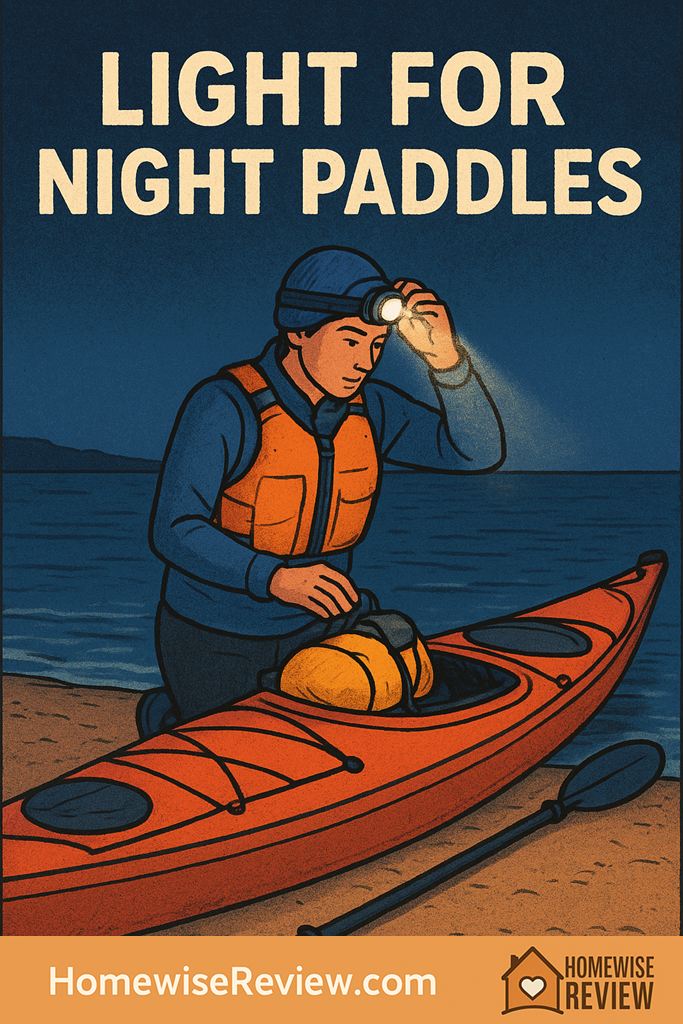
You need a headlamp that can handle spray, stay comfortable for hours, and give you useful light without throwing harsh glare back off the water. The right pick makes predawn launches, shoreline setup, and night paddles much calmer.
In-depth Reviews
Black Diamond Storm 500-R Headlamp
- Excellent wet-weather confidence
- Useful balance of spot and flood
- Controls work well with gloves
- Bulkier than ultralight options
- Button sequence takes practice
Petzl Actik Core Headlamp
- Very comfortable for long wear
- Simple, intuitive controls
- Flexible battery setup
- Less water-resistant than top kayak picks
- Not the toughest housing here
Fenix HM50R V2.0 Headlamp
- Outstanding waterproof durability
- Can double as a task light
- Backup battery flexibility
- Less plush headband feel
- Cooler beam can feel harsher up close
Petzl Aria 2 RGB Headlamp
- RGB modes are actually practical
- Comfortable close-range beam
- Solid housing for wet trips
- Chunkier than slimmer options
- Not the strongest long-distance beam
Nitecore NU25 UL Headlamp
- Extremely light and packable
- Easy USB-C charging
- Great backup option
- Not ideal for repeated soaking
- Minimal strap feels less secure
Buying Guide
What We Wish More Paddlers Knew
Brightness is easy to shop, but beam pattern matters more on water. A headlamp with a usable flood mode lets you rig deck lines, check a chart case, or dig through a hatch without throwing harsh glare back off the water. A stronger spot beam is helpful for a quick scan toward shore, but it can wreck your night vision if you leave it on full power the whole time. The best kayaking headlamp is one you can dim quickly and aim downward with one hand, especially when other paddlers are nearby.
Saltwater is rough on switches, straps, and charging ports. After a coastal paddle, rinse the lamp with fresh water, let it dry thoroughly, and only recharge once the port is fully dry. If your headlamp uses a removable battery, keep a spare in a tiny waterproof pouch inside your PFD or day hatch. That backup matters more on cold or shoulder-season trips, when batteries drain faster and darkness sneaks up sooner than you planned.
A headlamp should be part of your lighting plan, not the entire plan. Use lockout mode so it does not switch on inside a dry bag, and add a short tether if you launch in surf or move around rocky put-ins. On the water, point the beam down for deck tasks instead of wearing it like a permanent high-beam. You will preserve your own night vision, avoid blinding your group, and get much more useful light where you actually need it.
💡 Editor’s Final Thoughts
The Black Diamond Storm 500-R Headlamp is the best headlamp for kayaking because it hits the sweet spot of real weather protection, strong beam control, and dependable everyday usability. If your trips are rougher, colder, or consistently wetter, the Fenix HM50R V2.0 Headlamp is the tougher upgrade.
See also
For tighter packing and smarter travel kits, start with our guide to mini appliances and compact travel tools.
- Lightweight body SPF sprays for long sunny paddle days
- Hair products that hold up on humid beach trips
- Low-fuss beauty routines for women who travel often
- Portable baby sound machines for calmer family travel
Frequently Asked Questions ▾
How many lumens do you really need for kayaking?
More brightness is not always better on the water. For loading boats, checking deck lines, reading a chart case, or getting in and out at the ramp, a controlled low or medium flood beam is usually more useful than a blinding turbo mode. If you paddle before sunrise or after dark often, something in roughly the 300 to 600 lumen range gives you flexibility without forcing you into a bulky light. What matters most is having an easy low mode, good beam shape, and fast brightness control.
What waterproof rating should I look for in a kayaking headlamp?
For fair-weather paddling, an IPX4 light can be enough for rain and light splash. If you expect real spray, surf launches, rolling practice, wet storage in a PFD pocket, or coastal use, IP67 or IP68 is a much safer target. Those ratings give you more confidence if the lamp gets soaked instead of merely splashed. Waterproofing also affects long-term durability. A headlamp that survives one wet trip is not the same as one that keeps working after repeated exposure to salt, damp straps, and messy launches.
Is red light actually useful on a kayak?
Yes, but it helps to know what it is good at. Red light is great for preserving night vision, checking gear without blasting your paddling partners, and handling quiet tasks at camp or the launch. It is also more comfortable for group paddles when everyone is close together. What it does not do well is help you read water far ahead or scan a shoreline in detail. Think of red mode as a courtesy and close-task feature, not your main working beam when conditions get technical.
Should you choose rechargeable or replaceable batteries for kayaking?
Rechargeable headlamps are convenient for day trips and quick evening paddles. They are easy to top off at home, and many now charge by USB-C, which is simple if you already carry a power bank. Replaceable or hybrid battery systems make more sense for remote trips, colder weather, or multi-day touring, because you are not dependent on finding time or power to recharge. If you paddle in shoulder season or on bigger water, a swappable battery is reassuring. A small spare battery in a waterproof pouch can be more valuable than extra peak brightness.
No. A headlamp helps you see and can make you more noticeable at close range, but it usually is not a substitute for the navigation lighting your kayak may legally need in your area. Local rules vary, especially between inland waters, coastal routes, and guided night paddles, so it is worth checking before you head out. The best approach is to treat your headlamp as a task light for launching, deck checks, and camp chores, then pair it with the appropriate white or navigation light setup for actual night travel.
As an Amazon Associate, we earn from qualifying purchases made through links on our site.