

Hands‑free light with a usable red mode and steady, weatherproof beam for knot‑tying, walking, and wet‑weather fishing.
We may earn a small referral fee
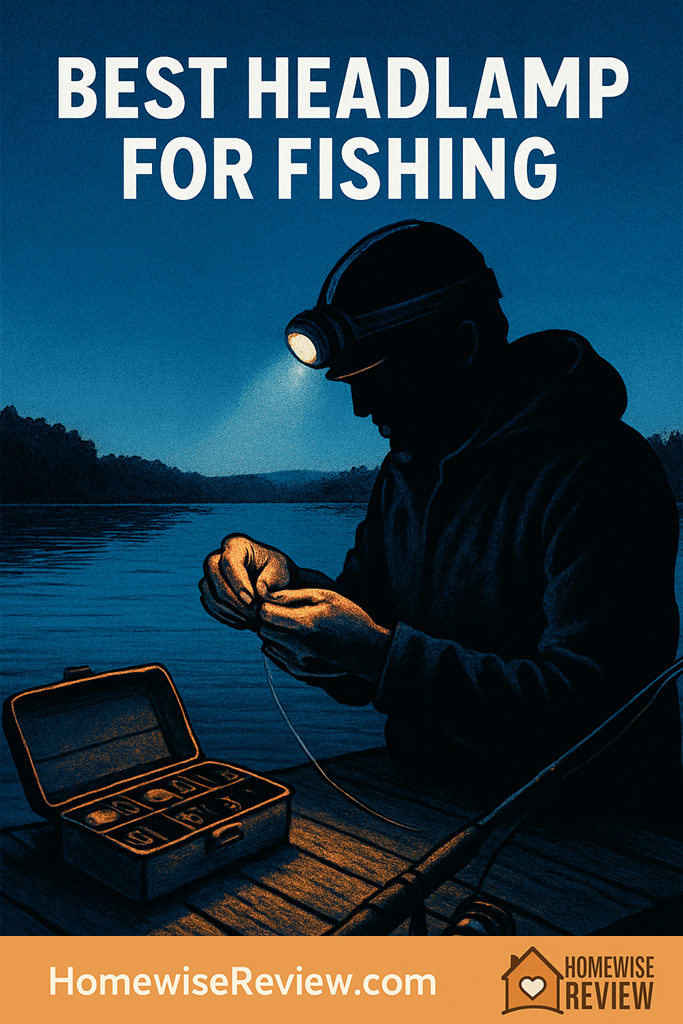
Trying to tie a knot with a phone flashlight is a fast way to lose time and patience. The right fishing headlamp keeps your hands free, protects night vision, and handles spray, rain, and cold fingers.
In-depth Reviews
Black Diamond Spot 400-R Headlamp
- Red mode you will actually use for rigging and handling fish
- Beam control is practical for both hands-on tasks and walking
- Reliable in wet conditions with a secure, steady tilt
- UI can feel clicky when you are trying to stay stealthy
- Rechargeable battery means you need a charging plan for long weekends
Fenix HM65R-T Headlamp
- Strong, long-throw beam for navigation and scanning
- Rugged build that holds up to real abuse
- Stable fit with minimal bounce while moving
- Heavier than minimalist headlamps
- No dedicated red mode for night vision
Petzl ACTIK CORE Headlamp
- Comfortable for long sessions and easy to pack
- Red mode is great for maintaining night vision
- Simple operation that is easy to remember
- Less water protection than true dunk-rated models
- Beam reach is solid, but not the strongest for long-range scanning
Nitecore NU25 UL Headlamp
- Extremely light and compact for travel
- Wide, close-range beam is ideal for rigging
- Good “always with you” backup headlamp
- Smaller battery means more frequent charging
- Less comfortable if you prefer a thicker, cushier strap
BioLite HeadLamp 425
- Very comfortable fit with minimal bouncing
- Easy to keep light low and controlled on the water
- Balanced lighting that works for both tasks and walking
- Rechargeable only, so dead battery can end the night if you forget to charge
- Not the toughest option for repeated saltwater soaking
Buying Guide
What We Wish We Knew Before Buying a Fishing Headlamp
Set up your “default” before you ever hit the water. At home, learn how to go straight to red or low white without cycling through high modes. On the bank or in a boat, that one habit prevents accidental glare, protects your night vision, and keeps you from lighting up the water like a searchlight.
Angle down, then use “burst light” on purpose. Most fishing tasks are close range: tying knots, swapping lures, unhooking fish, digging for pliers. Keep the lamp aimed at your hands and set to a low flood so reflections off the water do not bounce back into your eyes. Save higher spot output for short scans of shoreline, trail markers, or gear checks, then drop back down immediately.
Carry a tiny backup and protect your battery. A spare micro light or second headlamp weighs almost nothing and turns a dead-battery headache into a non-event. If you fish cold nights, keep spare batteries or your power bank in an inner pocket so they stay warm. And if you fish saltwater, wipe the headlamp down after each trip and make sure the charging port cover is clean and fully sealed before the next outing.
💡 Editor’s Final Thoughts
Final Verdict: The Black Diamond Spot 400-R is our top pick because it balances practical brightness with a truly useful red mode, solid water resistance, and a simple interface that works when your hands are cold or wet. If you want a tougher, higher-output option for bigger water and harsher weather, step up to the Fenix HM65R-T.
See also
If you spend long hours on open water or a sunny bank, check out our roundup of lightweight body SPF sprays you’ll actually reapply, and pair it with our picks for the best SPF sunscreen for dry skin for less sting and flaking in wind.
- Korean sunscreens that play nice with sensitive skin
- Best travel crates for dogs (secure, road-trip ready)
- Backyard and balcony garden tools worth buying once
Frequently Asked Questions ▾
Is red light actually better for fishing?
Red mode is better for your eyes, not because fish “love red.” It helps you keep your night vision while you tie knots, unhook fish, or dig in a tackle bag. The practical win is that red light is less blinding to you and less disruptive to other anglers nearby.
How many lumens do you need for night fishing?
For close work like rigging and bait, you want a clean, even flood beam on a low setting. For walking a trail, scanning shoreline structure, or spotting a float at distance, it helps to have a brighter spot mode on demand. More lumens are useful, but only if the headlamp also has a low, non-glare setting you can live on most of the night.
Rechargeable or AAA batteries: which is better on the water?
Rechargeables are convenient and often more comfortable since the lamp can be lighter up front, but you need a charging plan for long trips. AAA powered lights are easier to keep running with spare batteries in a dry bag, which is reassuring for remote nights. Many anglers like rechargeable for routine trips and a AAA model (or spare cells) as backup.
What waterproof rating should a fishing headlamp have?
If you fish around spray, rain, or an occasional dunk, prioritize a higher water rating. IPX4 is fine for steady rain and splashes, while IPX7 or IPX8 is a better fit for kayak fishing, wading, or rough boat rides where gear gets soaked. Also pay attention to the charging port cover, since that is often the weak point.
How do you aim a headlamp without spooking fish or blinding your buddy?
Start in red or low white, and angle the lamp down so it hits your hands and deck, not the water’s surface. Use a quick “bump to bright” only when you truly need distance, then drop back down. If you fish with others, agree on a simple rule: no high beam at eye level, especially during net jobs and photos.
As an Amazon Associate, we earn from qualifying purchases made through links on our site.