

Purpose-built curves and a precision notch help de-puff and sculpt the jaw with controlled, low-pressure strokes.
We may earn a small referral fee
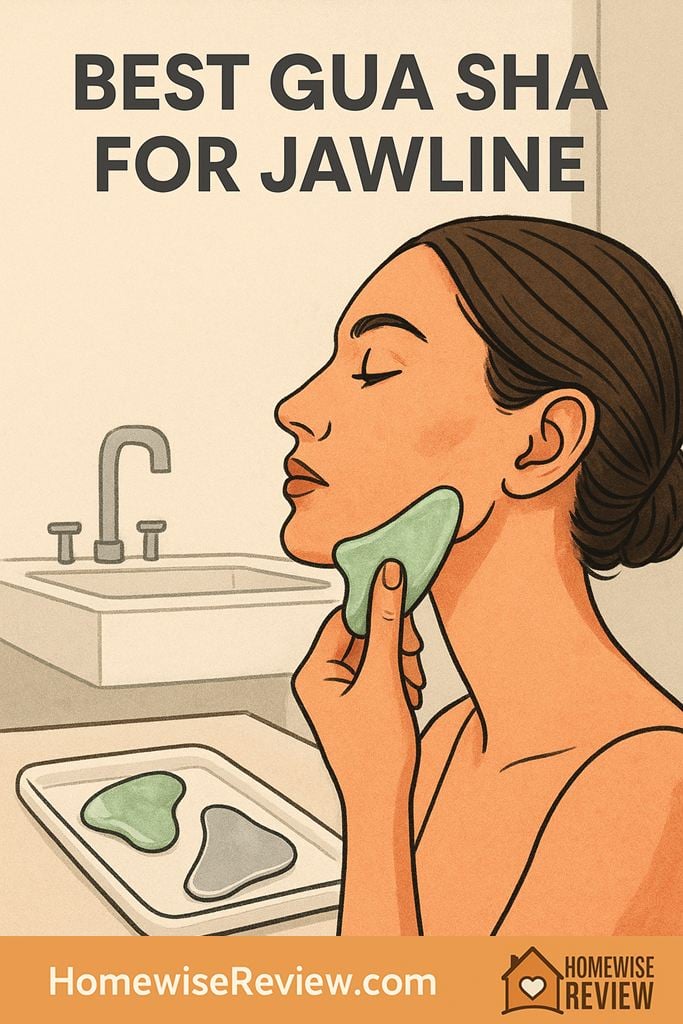
Trying to sharpen your jawline with gua sha but every tool looks the same? These picks focus on the edges and materials that make jaw and neck strokes feel smoother, easier, and more consistent.
In-depth Reviews
Lanshin Pro Gua Sha Tool
- Curves fit the underside of the jaw without constant repositioning
- Good control for chin and near-ear detailing
- Encourages light pressure, less accidental dragging
- Stone can chip if dropped
- Takes a little practice to memorize the “right” edges
SACHEU Stainless Steel Gua Sha
- Very easy to clean thoroughly after every use
- Naturally cooling feel along jaw and neck
- Smooth glide even with lightweight slip products
- Can feel cold and intense if you are very sensitive to temperature
- Less “grippy” than stone if your hands are oily
Mount Lai Jade Gua Sha Facial Lifting Tool
- Straightforward shape that is easy to learn
- Light feel helps prevent over-pressing
- Smooth, comfortable for everyday de-puffing
- Less precision for chin and near-ear work than more sculpted designs
- Jade can vary in feel and may be slippery with thin serums
Wildling Empress Stone
- Excellent control for slow, even jawline strokes
- Easy to switch from broad to detailed areas
- Feels secure in hand during neck and jaw work
- More “technique-forward” than simple heart-shaped tools
- Stone still requires careful storage to prevent chips
Herbivore Rose Quartz Gua Sha
- Forgiving shape that feels comfortable on the jaw
- Great for de-puffing and relaxation without overdoing it
- Glides well with creams and balms
- Less precise for under-cheekbone and chin detailing
- Rose quartz can be fragile if dropped
Buying Guide
Quick Routine: Better Jawline Results (Without Bruising or Breakouts)
Start with the neck, not the jaw. If you go straight to aggressive jaw strokes, you can trap fluid and end up red and tender. Apply slip, then do a few gentle downward passes along the side of the neck (ear to collarbone) to “open the path” before you work on definition. Keep the tool nearly flat to your skin, and think of it as guiding, not scraping.
Use feather-light pressure and repeat clean strokes. A common mistake is pressing harder when you want a sharper jawline, but that often causes irritation and broken capillaries. Instead, do slow, consistent passes from the center of the chin toward the ear, keeping contact even along the entire edge. Finish with a few soft strokes behind the ear and down the neck, so everything you moved has somewhere to go.
Make cleanliness part of the ritual. If you use facial oil, your tool can collect residue that transfers back to your jawline, which is a breakout-prone zone for many people. Wash the tool right away, dry it fully, and store it where it will not get knocked around. If you have active, inflamed acne on the jaw, skip the area and work the neck lightly instead until the skin calms down.
💡 Editor’s Final Thoughts
Final verdict: If you want one tool that makes jawline strokes feel easy and controlled, the Lanshin Pro Gua Sha Tool is the top pick thanks to its facial-friendly curves and precision edges that fit the jaw and chin without feeling pokey. For the lowest-maintenance option, go stainless steel so you can clean fast and keep your routine consistent.
See also
If you are building a low-friction nightly routine that supports the skin and hair around your face, start with our best silk scrunchies, caps & pillowcases roundup.
- Best SPF for your scalp, part line, and hairline
- Stretch and style hub for low-tension hair routines
- Coconut oil for hair: when it helps (and when it backfires)
- The best hair oils for split ends and dry ends
Frequently Asked Questions ▾
Which side of a gua sha tool is best for the jawline?
Look for the longest, gently concave curve, it should “hug” the underside of your jaw without poking. Many tools also have a smaller notch or tighter curve that fits right under the cheekbone and around the chin. If you feel scraping or a sharp edge catching, switch sides or reduce the angle so the tool is flatter to the skin. Comfort is the best indicator that you have the right edge for your jaw.
How often should you gua sha your jawline to see results?
Most people do best with consistency over intensity. A few minutes several times per week is usually enough to notice less morning puffiness and a more “lifted” look right after you massage. Longer-term changes are subtle and depend on factors like fluid retention, sleep, and how much facial tension you carry. If you get redness that lingers, tenderness, or broken capillaries, back off the pressure and frequency.
Do you need oil for gua sha on the jawline?
Yes, you want slip. Gua sha works best when the tool glides without tugging, especially along the jaw where the skin can be thinner and more prone to irritation. Use a few drops of facial oil, a nourishing serum, or a richer moisturizer if you are dry. Avoid strong exfoliating acids right before gua sha, since they can make skin more reactive to friction. If you are acne-prone, choose a lightweight, non-greasy slip product and keep your tool very clean.
Can gua sha help with jaw tension from clenching?
It can help you relax tight areas by encouraging gentle massage and awareness, but it should not be painful and it is not a medical treatment. For tension, focus on light strokes down the sides of the neck first, then do slow passes along the jaw, and finish with gentle circles at the masseter (the chewing muscle) without digging in. If you have sharp pain, clicking with pain, or suspected TMJ issues, check with a dental or medical professional before doing deeper work.
How do you clean and store a gua sha tool?
After each use, wash it with mild soap and warm water, rinse well, and dry completely to prevent residue buildup. Stainless steel is the easiest since it is non-porous, while stone tools need a little extra care to avoid chips from drops. Store your gua sha in a soft pouch or a dedicated spot where it will not knock against other items. If you like a cooling effect, chill it in the fridge in a clean container rather than leaving it loose on a shelf.
As an Amazon Associate, we earn from qualifying purchases made through links on our site.