

Everyday, fuss-free whey that blends smoothly, tastes good with water, and works in shakes, smoothies, or recipes.
We may earn a small referral fee
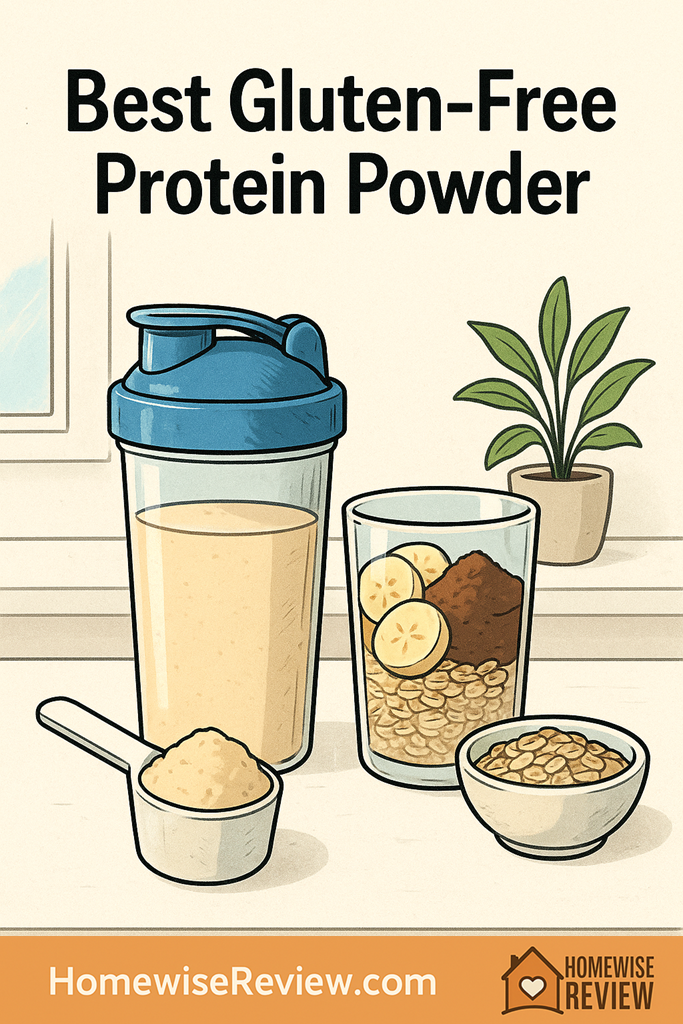
You want a protein powder that is truly gluten-free, actually tastes good, and does not leave your stomach feeling wrecked. These top picks make it easy to choose based on your diet, budget, and how you like to mix your shakes.
✨ 2026 Spotlight
2026 Spotlight: This year, shoppers are paying closer attention to third-party testing, short ingredient lists, and simpler flavors that lower the odds of gluten cross-contact. Classics like Optimum Nutrition Gold Standard 100% Whey Protein Powder and Isopure Zero Carb 100% Whey Protein Isolate Powder still fit that practical, easy-mixing brief, while cleaner-label options such as Naked Whey 100% Grass-Fed Whey Protein Powder (Unflavored) continue to appeal to minimalists. If you prefer plant-based nutrition, Vega Sport Premium Protein Powder and Garden of Life SPORT Organic Plant-Based Protein Powder remain notable choices for higher-protein blends without gluten-containing ingredients.
In-depth Reviews
Optimum Nutrition Gold Standard 100% Whey Protein Powder
- Mixes well in a basic shaker
- Flavors are easy to drink with water
- Consistent texture for daily use
- Not ideal if you want an ultra-simple ingredient list
- Some flavors can taste noticeably sweet to sensitive palates
Isopure Zero Carb 100% Whey Protein Isolate Powder
- Thin, easy-to-drink texture in water
- Very good mixability with minimal shaking
- Often better tolerated than richer whey concentrates
- Not the creamiest option for smoothie lovers
- Sweetener taste can stand out if you are sensitive
Naked Whey 100% Grass-Fed Whey Protein Powder (Unflavored)
- No added flavoring or sweeteners to fight with
- Easy to customize in smoothies and recipes
- Simple, predictable taste profile
- Foamier texture when shaken hard
- Not ideal if you want a sweet “dessert” shake
Vega Sport Premium Protein Powder
- More filling, thicker smoothie texture
- Flavors hold up well with water or milk alternatives
- Good option when avoiding dairy entirely
- Can feel gritty if not mixed thoroughly
- Thicker texture is not everyone’s preference
Garden of Life SPORT Organic Plant-Based Protein Powder
- Works well in smoothie-style blends
- Good fit for people prioritizing tested sport supplements
- Naturally sweetened profile can feel less candy-like
- Earthier flavor can be noticeable in water
- Texture benefits from blending more than shaking
Buying Guide
What we wish more people knew about “gluten-free” protein powders
Flavor add-ins are a hidden risk. Even when a powder is labeled gluten-free, the highest-risk options tend to be flavors with mix-ins like cookie bits, wafer pieces, or “crunch.” If you are very sensitive, stick to simpler flavors (vanilla, chocolate, strawberry) and skip anything that looks like it contains baked-goods fragments.
Digestive comfort is often about the extras, not the protein. If a protein powder makes you feel bloated, the culprit is frequently sweeteners, gums, or a super-thick formula you are forcing into too little liquid. Before you give up, increase the water, change the mixing method, and try half a serving for a few days to see if tolerance improves.
Keep a “default recipe” for consistency. If you change your liquid, add-ins, and serving size every day, it is hard to tell what is working. Pick one baseline shake you can repeat: liquid + protein + one add-in (like banana or cocoa). Once that feels good, then experiment. It saves money and makes it much easier to identify what actually agrees with you.
💡 Editor’s Final Thoughts
Final Verdict: Optimum Nutrition Gold Standard 100% Whey is the best overall pick for most people because it is consistently easy to mix, widely available, and has flavors you will actually stick with. If digestion is your top concern, move straight to Isopure Zero Carb Whey Isolate for a lighter, cleaner shake.
How to choose a gluten-free protein powder (without overthinking it)
Most reputable protein powders can be gluten-free, but the details matter. If you have celiac disease or you are highly sensitive, prioritize products that are clearly labeled gluten-free and avoid flavors with obvious risk ingredients like cookie pieces, cereal add-ins, or “crunch” mix-ins that are more likely to share lines with wheat-based components.
Next, match the protein type to how you will actually use it. Whey isolate is usually the easiest on digestion and mixes thin in water. Whey concentrate can taste richer but may feel heavier for some people. Plant-based blends vary the most, and often taste better in a smoothie than in a plain shaker cup.
Quick ingredient checklist (what to scan before you buy)
- Gluten-free labeling: Look for a clear gluten-free statement on the tub or listing, especially if you are very sensitive.
- Protein source: Whey isolate for a lighter shake, whey concentrate for creamier texture, or a multi-source plant blend for dairy-free.
- Sweeteners: If you are sensitive to aftertaste or bloating, pay attention to sucralose, sugar alcohols, and stevia.
- “Extra” ingredients: Gums and thickeners can help texture, but they can also be the reason a shake feels rough on your stomach.
- Flavor realism: If you are mixing with water, pick a flavor known to taste good without a blender.
Pro tip: get better shakes with the same powder
If a powder is a little too sweet or too “protein-y,” fix the method before you switch brands. Start by mixing with colder water (or blending with ice) to reduce aftertaste. A pinch of salt can make chocolate and vanilla flavors taste noticeably smoother, especially in water. For plant-based powders that feel gritty, blend for a few extra seconds, then let it sit briefly so the powders hydrate before drinking.
See also
To upgrade your daily shake routine, start with kitchen gadgets that make smoothies and meal prep faster, then dial in your setup with smart kitchen accessories for smoother shakes.
- Countertop ice makers that keep smoothies extra cold
- Home espresso machines for coffee-based protein drinks
- Travel and gym bag essentials that make on-the-go nutrition easier
Frequently Asked Questions ▾
Are “gluten-free” and “no gluten ingredients” the same thing for protein powder?
Not always. “No gluten ingredients” usually means the formula does not intentionally include wheat, barley, or rye, but it may not address cross-contact during manufacturing. A clear gluten-free label is a better sign that the brand is controlling for gluten risk, especially if you have celiac disease or react to trace exposure. If you are very sensitive, be extra cautious with specialty flavors that include mix-ins.
Which type is easiest on digestion: whey isolate, whey concentrate, or plant protein?
Many people find whey isolate the easiest because it tends to be lower in lactose and mixes thinner in water. Whey concentrate can be creamier but may feel heavier if you are lactose sensitive. Plant-based proteins are highly individual: some people do great with them, while others notice more bloating depending on fiber, gums, and the specific blend. If you are unsure, start with smaller servings for a few days and adjust.
Can I bake with gluten-free protein powder?
Yes, but results depend on the protein type. Whey can dry out baked goods if you replace too much flour; it works best when you use a small amount to boost protein in pancakes, muffins, or oatmeal bakes. Plant-based powders often behave more like flour substitutes, but can taste earthy or feel dense if you overdo it. A practical approach is to replace a small portion of the dry ingredients, add a little extra liquid, and expect a slightly firmer texture.
How do I avoid gritty shakes without buying a blender?
Use more liquid than you think you need, add powder last, and shake hard in short bursts to break up clumps. For plant-based powders, let the shaker sit briefly after mixing, then shake again to help the powders hydrate. If you are mixing with milk, start with a small amount to make a smooth slurry, then top off with the rest of the liquid. A shaker with a wire ball or mixing grid can also make a noticeable difference.
As an Amazon Associate, we earn from qualifying purchases made through links on our site.