

Firm enough to free up hips, quads, and lats without being brutal — stays stable for slow, controlled warm-ups and recovery.
We may earn a small referral fee
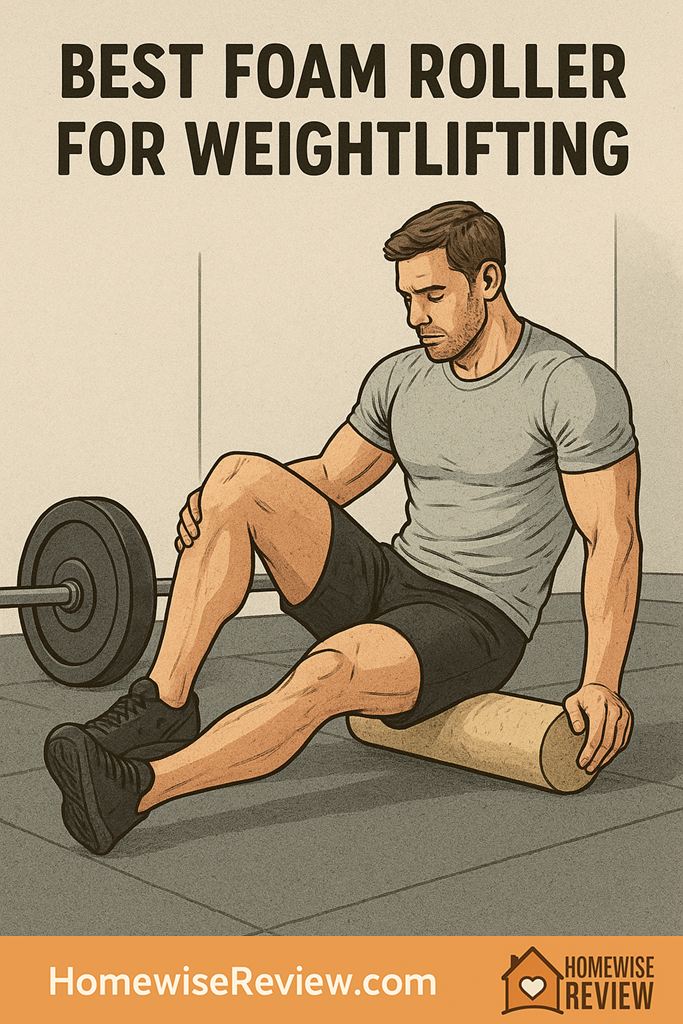
Tight hips, cranky quads, and a stiff upper back can turn a good lift into a grind. The right foam roller helps you warm up cleaner and recover faster without bruising you or flattening in a month.
In-depth Reviews
TriggerPoint GRID Foam Roller (Original)
- Balanced pressure that works pre-lift and post-lift
- Textured feel helps you target tight spots without being brutal
- Holds its shape well with regular use
- Not the deepest option if you crave very aggressive pressure
- Shorter length can feel limiting for calves for some people
Rogue Foam Roller (Standard Density)
- Smooth surface is predictable and easy to control
- Stable under load for upper-back positioning work
- Great for slow, breathing-focused rolling
- Less “targeting” feedback than textured rollers
- Firmness can feel intense on sensitive calves at first
RumbleRoller Textured Foam Roller (Extra Firm, Original)
- Very strong “knot finding” feel for glutes and upper back
- Works quickly when you have limited time
- Useful for people who feel like smooth rollers do nothing
- Can be too aggressive right after hard leg training
- Not ideal if you bruise easily or are brand new to rolling
Hyperice Vyper 3 Vibrating Foam Roller
- Vibration helps you settle into pressure with less bracing
- Great for fast warm-up prep when time is tight
- Useful when you want intensity without crushing pressure
- More expensive than non-vibrating rollers
- Needs charging and is one more device to maintain
ProsourceFit High Density Foam Roller
- Solid firmness for the money
- Simple, smooth roll that works for most muscle groups
- Easy to clean and does not demand careful handling
- Less precise feel than textured options
- Can feel a little slick on sweaty skin
Buying Guide
Quick Routine: Foam Roll Like a Lifter (Not a Torture Test)
Use foam rolling to change how you move, not to chase pain. A good rule is a “pressure scale” of about 6 to 7 out of 10. If you are grimacing, holding your breath, or tensing your shoulders, back off. You will get more benefit with moderate pressure plus slow breathing than with maximum pressure that makes your body guard.
Before lifting: keep it short and specific. Do 20 to 40 seconds per area that affects today’s positions, then immediately follow with movement that uses the range. Example: roll quads briefly, then do a few controlled bodyweight squats. Roll lats briefly, then do banded pulldowns or scap pull-ups. The roller is your “prep,” the drill is your “transfer.”
After lifting: go slower and use longer holds. Aim for 60 to 90 seconds on the two or three areas that feel most restricted, like glutes after deadlifts or quads after squats. Pause on a tender spot, breathe for a few cycles, then slowly move off and back onto it. Avoid rolling directly on joints and skip hard pressure on the low back. For most lifters, upper back, glutes, quads, hamstrings, calves, and lats give the biggest return.
💡 Editor’s Final Thoughts
Final Verdict: If you want one roller that works for most lifters and holds up session after session, the TriggerPoint GRID is my top pick because it balances firmness, comfort, and control. If you want faster relief and do not mind paying for it, the Hyperice Vyper 3 is the most meaningful upgrade.
See also
If you’re building a low-maintenance post-workout routine, start with these gym-friendly hair routines and keep your bag simple with our guide to deodorants for excessive sweating.
- Shampoos that work great when you only wash weekly
- A portable steamer for quick, gym-to-life clothing touch-ups
- Dehumidifiers that help keep musty, damp spaces under control
Frequently Asked Questions ▾
What foam roller density is best for weightlifting?
Most lifters do best with a medium-to-firm roller that does not collapse under bodyweight. Too soft tends to feel pleasant but does not change much for stiff quads, glutes, and lats. Too firm can leave you guarding and holding your breath, which defeats the point. If you are new to rolling or bruise easily, start medium and “earn” firmer pressure over a couple of weeks.
Is a textured roller actually better than a smooth roller?
Texture can help you feel specific hot spots faster and get a deeper sensation with less time, especially in the glutes, upper back, and outer hip area. The trade-off is that aggressive knobs can be a little much after heavy leg day, and it is easier to overdo it. Smooth rollers are more predictable and are usually better for longer holds, slow breathing, and calming down tone before mobility work.
When should I foam roll, before lifting or after?
Before lifting, think “quick and targeted.” Spend a few passes on the areas that limit your positions, like quads before squats or lats before overhead work, then follow with active movement like bodyweight squats or banded shoulder work. After lifting, go slower and stay longer on tight areas to downshift. If you only have time for one, do a short pre-lift roll so your warm-up positions feel cleaner.
Can foam rolling fix tight hips or improve squat depth by itself?
Foam rolling can help you temporarily tolerate deeper ranges and reduce that “stuck” feeling, but lasting change usually comes from pairing it with mobility and strength in the new range. A simple approach is roll, then immediately do the stretch or drill you actually need, like a couch stretch for hip flexors or a controlled squat hold. The roller is the setup, not the whole plan.
How do I clean a foam roller and keep it from smelling gross?
Wipe it down after use with a damp cloth and a little mild soap, then let it fully dry before tossing it in a gym bag. Avoid harsh solvents that can break down foam over time. If your roller lives in the car, try not to leave it baking in heat for long stretches, since that can speed up warping and odor. A quick rinse-and-dry routine keeps it nicer for the long haul.
As an Amazon Associate, we earn from qualifying purchases made through links on our site.