

Firm, textured design treats sore quads, calves and upper back without being unbearably intense, so you’ll actually use it regularly.
We may earn a small referral fee
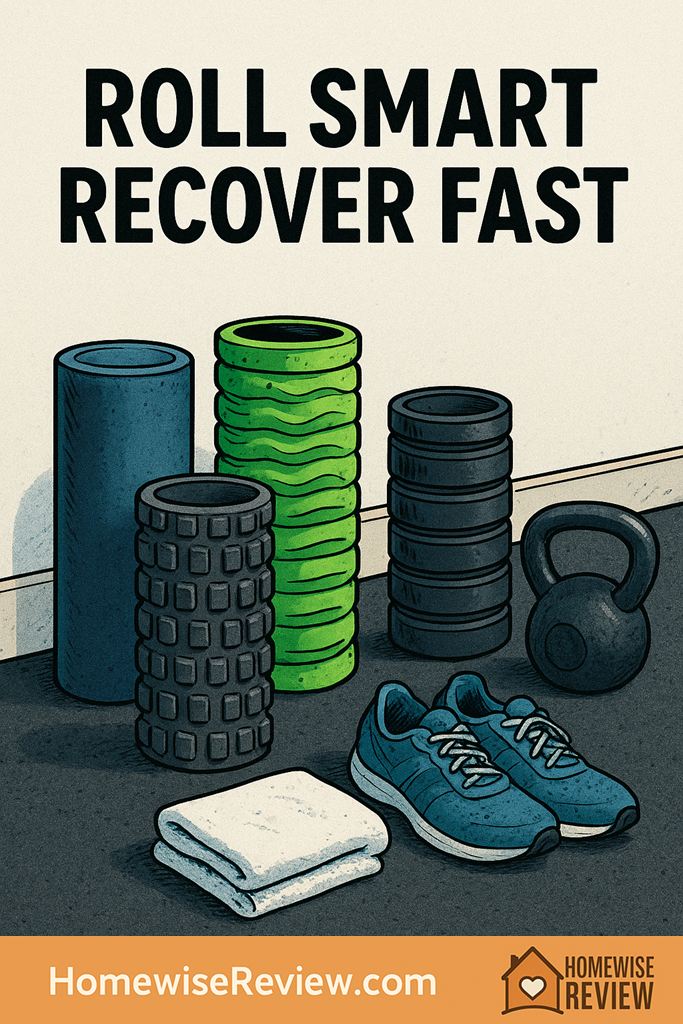
A foam roller that caves in or feels like torture gets ignored fast. The best CrossFit options stay firm, target the right areas, and make mobility work easier before and after class.
In-depth Reviews
TriggerPoint GRID 1.0 Foam Roller
- Balanced firmness and texture
- Durable under frequent use
- Easy to tolerate for full-body sessions
- Short for long spine work
- Not deep enough for people who want very intense pressure
RumbleRoller Compact Original Textured Foam Roller
- Deep, targeted pressure
- Excellent on calves, glutes, and lats
- Stays supportive instead of flattening quickly
- Can feel painful at first
- Not ideal for gentle recovery days
LuxFit Premium High Density Foam Roller
- Strong value for the price
- Smooth surface works well for beginners
- Available in multiple lengths
- Less targeted than textured rollers
- Longer sizes can feel bulky to store
Hyperice Vyper 3
- Vibration helps muscles relax quickly
- Great for fast warm-ups
- Makes firm rolling easier to tolerate
- Expensive
- Heavier and less grab-and-go than basic rollers
Brazyn Morph Bravo Foam Roller
- Collapses flat for packing
- Stable once opened
- Useful pressure without huge bulk
- Costs more than basic rollers
- Setup adds one extra step
Buying Guide
Quick Care Guide
Do not judge a roller by how brutal it feels on day one. A model that is slightly less aggressive but easy to use consistently often does more for recovery than the hardest roller on the market. If you tend to avoid mobility work, start with shorter sessions and support some of your bodyweight with your hands or opposite leg to control pressure.
Heat, chalk, and sweat are rough on foam over time. Wipe the roller down with mild soap and water, let it dry fully, and avoid leaving it in a hot car where the foam can soften or warp. Once a roller starts staying compressed or developing flat spots, it is not giving the same pressure anymore.
One smart setup for heavy training blocks is to use a smoother or moderately textured roller for full-body work and reserve the aggressive roller for the specific areas that always tighten up, like calves after double-unders or lats after high-volume pulling. That approach feels better and keeps you from overdoing every session.
What Most Reviews Miss
The real split is simple: a roller you will actually use after training, or one so harsh it ends up in the corner. That is the practical difference between the TriggerPoint GRID 1.0 and the RumbleRoller. The RumbleRoller digs in harder and feels more targeted, but for most CrossFit athletes that extra intensity turns sessions into punishment, so they stop using it. The slightly less aggressive GRID 1.0 gets used more often, which makes it the better buy for most people.
💡 Editor’s Final Thoughts
The TriggerPoint GRID 1.0 is the best foam roller for most CrossFit athletes because it balances firmness, durability, and comfort better than almost anything else in the category. If you want deeper, more targeted pressure, the RumbleRoller is the step-up choice, but the GRID is the one most people will actually keep using.
What matters most in a foam roller for CrossFit
CrossFit recovery asks more from a roller than the occasional stretch session. You need enough density to hold up under repeated bodyweight work, enough surface area to handle big muscle groups, and enough texture to reach tight spots without turning every session into punishment. A roller that feels good for a week but softens quickly is usually money wasted.
- Density: Softer rollers can feel comfortable at first, but they often lose support faster under regular training.
- Surface: Smooth rollers spread pressure more evenly, while textured surfaces dig deeper into smaller tight spots.
- Length: Short rollers travel better and store easily, while longer rollers feel more stable for upper-back work and broad passes.
- Durability: Reinforced cores and dense foam matter if you train often and do not want the roller going mushy.
For most athletes, a firm roller with a smooth surface or moderate texture is the safest place to start. Smooth rollers are easier on sore quads, hamstrings, and upper back. Textured rollers concentrate pressure, which helps on stubborn calves, glutes, and lats, but they can feel too aggressive if you are new to rolling or already beat up from high-volume training.
Length also affects real-world use. Compact rollers are easier to store, cheaper to pack, and great for targeted work. Longer rollers feel more natural for broad passes across the upper back or both legs at once. If you want one practical option for home and gym use, a compact but sturdy roller is usually the easiest middle ground.
How we narrowed the list
These picks prioritize durability, usable pressure, versatility, and overall value. We looked for rollers that make sense for the areas CrossFit athletes actually work on most often, including quads, calves, glutes, lats, and upper back. We also favored models with a clear lane, so each recommendation solves a different problem instead of giving you five versions of the same tool.
Harder is not automatically better. The best roller is the one you will use consistently before or after class, not the one that sounds toughest on paper. That is why the list includes a few different feel profiles, from smooth and simple to aggressively textured and vibrating.
When to roll before and after a WOD
Before training, keep it brief and specific. A short pass on calves before squats, lats before overhead work, or quads and hip flexors before running can help you move into better positions with less resistance. Follow it with dynamic movement, because foam rolling works best as part of a warm-up, not as the whole warm-up.
After training, slower rolling usually works better. Pause on tight areas, breathe, and let the pressure settle instead of racing through long, painful passes. If a spot feels sharp, tingly, or more like joint pain than muscle tightness, back off and skip it. Good recovery work should feel intense but controlled.
If you only have a few minutes, pick the two or three areas that routinely limit your positions or stay sore after class. A focused routine you repeat several times a week does more than one marathon session on Sunday. Also skip rolling directly over joints or the low back. Stick to muscle tissue and keep the pressure controlled.
See also
Recovery does not stop at mobility tools, so pair your routine with smart post-workout skincare and, if sweat and friction tend to linger, body products for back and chest acne.
- Gym shower hair and skin products that make rinse-offs quicker
- Laundry routines for sweaty workout gear and sensitive skin
- Lightweight body SPF sprays for outdoor runs, walks, and recovery days
As an Amazon Associate, we earn from qualifying purchases made through links on our site.