

Narrow plates and smooth glide let you shape bangs precisely with micro-passes for a soft, natural bend without crushing ends.
We may earn a small referral fee
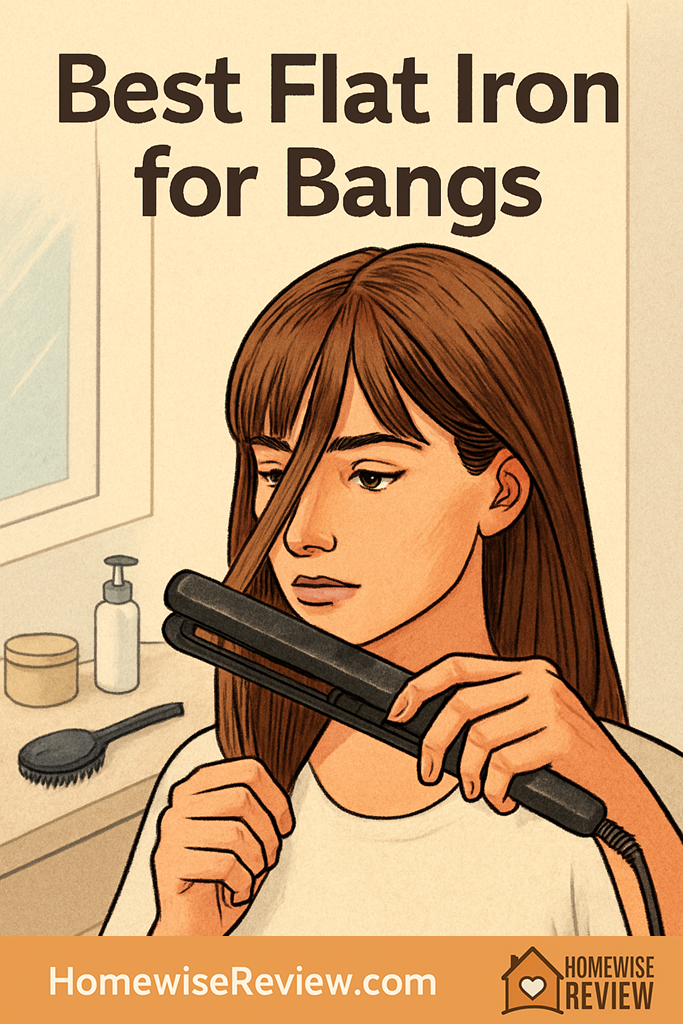
Bangs can go from polished to puffy in 30 seconds if your iron is too wide, too hot, or too grabby. These picks give you the control to smooth and shape fringe fast, without frying the ends.
In-depth Reviews
ghd Mini Styler 1/2 Inch Flat Iron
- Excellent control for short sections and tricky growth patterns
- Smooth glide helps prevent denting and over-pressing
- Makes it easy to create a subtle bend, not a sharp kink
- Not the fastest choice for thick, full-head straightening
- Single-temperature approach may feel limiting for some
BaBylissPRO Nano Titanium Mini Straightening Iron (1/2 Inch)
- Strong smoothing performance for cowlicks and thick fringe
- Works quickly on small sections
- Good option when you want a true mini on a tighter budget
- Can feel too aggressive for very fine or damaged bangs
- Less forgiving if you pause in one spot
ghd Platinum+ Styler 1 Inch Flat Iron
- Consistently smooth finish that looks polished up close
- Glides evenly for fewer accidental creases
- Versatile for straightening, bending, and soft waves
- Less precise than a true mini for very short fringe
- Higher price than most everyday irons
T3 SinglePass Compact Styling Iron
- Easy to maneuver for shaping and bending fringe
- Great for curtain bangs and face-framing pieces
- Compact size is convenient for travel and storage
- May require more deliberate technique on very coarse bangs
- Not as pinpoint-precise as a 1/2-inch mini
Dyson Corrale Cordless Hair Straightener
- Cordless convenience makes quick bang fixes much easier
- Helps keep short sections together for a cleaner pass
- Excellent for shaping a soft bend without tugging
- Expensive compared with corded tools
- Runtime can be limiting if you frequently style all your hair
Buying Guide
Pro Tip: The 30-Second Bang Bend That Avoids Creases
Use “micro-passes,” not one hard clamp. Separate a thin bang section, place the iron close to the root without pinching the scalp, and glide while lightly opening and closing the plates once or twice. That tiny release prevents the sharp line that happens when you press too firmly at the same angle. You will still smooth the hair, but it stays airy instead of plastered down.
Create shape by changing direction, not by adding heat. For a natural look, smooth forward first, then re-glide and rotate your wrist just slightly at the ends to form a soft C-shape. If you want curtain bangs, rotate away from your face and let the section cool off your forehead for a few seconds before you tuck it back into place.
Keep your plates clean if you use styling products. Bangs often get hit with dry shampoo, texture spray, or hairspray, and residue can make plates drag and snag. When the iron is fully cool and unplugged, wipe the plates with a lightly damp cloth to remove buildup. A cleaner glide means fewer passes, and fewer passes are the real secret to healthier-looking fringe.
💡 Editor’s Final Thoughts
Final Verdict: The ghd Mini Styler is the top pick for bangs because it gives you precise control, smooth glide, and consistent heat that makes shaping fringe feel predictable. If you need true grab-and-go styling, the Dyson Corrale is the standout cordless option for touch-ups and soft bends.
See also
If you want one tool that can handle bangs plus full-head styling, start with our best professional flat iron picks and then compare grab-and-go options in our best cordless flat irons roundup.
- Best budget-friendly flat irons for everyday touch-ups
- Dyson Corrale review for cordless convenience versus cost
- Affordable heat tools that help prevent damage if you style frequently
Frequently Asked Questions ▾
What plate size is best for bangs?
For most bangs, a narrow plate gives you the most control. A 0.5 to 0.8-inch iron is ideal for short, blunt, wispy, or side-swept fringe because you can get close to the roots without catching extra hair. If you mostly have curtain bangs or longer face-framing pieces, a 1-inch iron can work well as long as it has smooth edges so you can create a soft bend instead of a hard crease. Wider plates tend to feel clumsy on small sections and can accidentally over-straighten.
Do I need a mini flat iron, or can I use a regular one?
You do not need a mini, but it often makes bang styling faster and less stressful. A compact iron lets you take smaller bites, fix cowlicks right at the root, and shape the ends without bending the whole section. A standard 1-inch iron is still fine if it has good clamp control and glides smoothly, especially for curtain bangs. If your regular iron is wide, heavy, or tends to snag, a mini is usually the easiest upgrade specifically for fringe.
What temperature should I use on bangs?
Start lower than you think because bangs are typically styled more often and have less “buffer” hair to hide damage. Fine or lightened bangs usually behave best at a lower to mid heat, while coarse or stubborn cowlicks may need a bit more. The biggest improvement comes from technique: use small sections, keep the plates moving, and do fewer passes. If you smell hair or see steam when your hair is fully dry, back off the heat and check that you are using a heat protectant.
How do I straighten bangs without getting that flat, stuck-to-the-forehead look?
Instead of clamping at the root and pulling straight down, start about a half-inch away from the scalp and use a slight “C” motion. Glide through, then rotate your wrist just enough to curve the ends under (or slightly away for a looser, airy finish). Let the hair cool in the shape you want, then lightly comb through with your fingers. If your bangs still collapse, you are likely doing too many passes or using too much pressure at the root.
Can I use a flat iron to style curtain bangs?
Yes, and a flat iron is often quicker than a round brush when you only need a clean swoop. Use a 1-inch iron (or a narrow iron if you prefer more precision), take a small section, and pull forward first to smooth. Then re-glide while turning the iron away from your face to create that open curtain shape. The key is a gentle rotation and an even glide, not a tight twist. Finish with a tiny amount of flexible hold so the bend lasts without getting crunchy.
As an Amazon Associate, we earn from qualifying purchases made through links on our site.