

Mellow glycolic treatment that refines under-eye texture and brightens gently—best used sparingly for steady, irritation-free smoothing.
We may earn a small referral fee
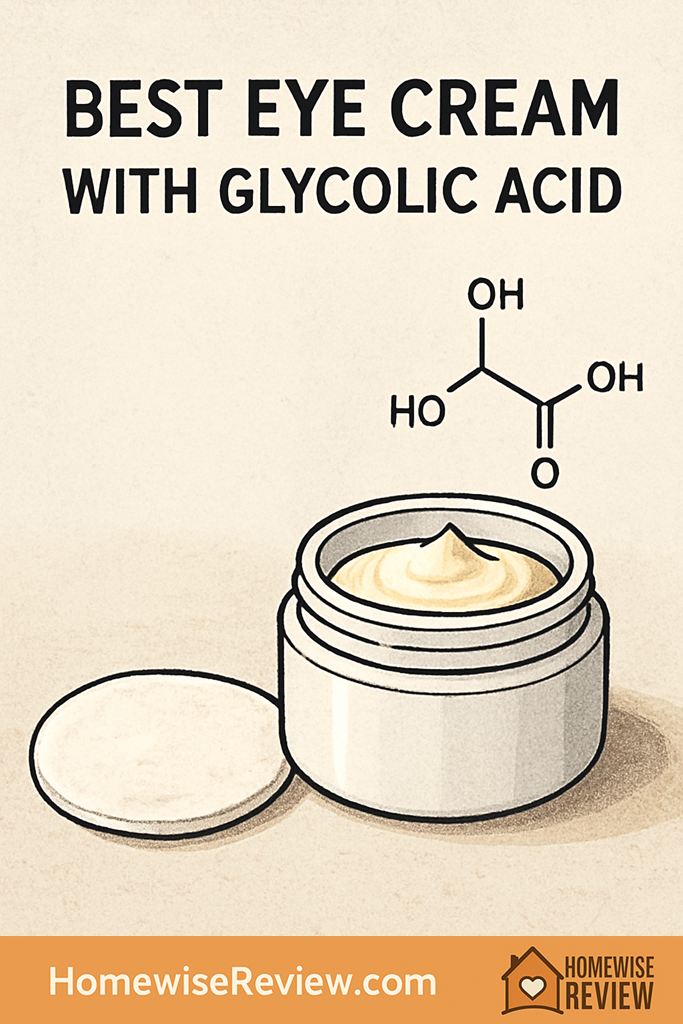
Want a brighter, smoother under-eye, but everything either does nothing or stings? A well-formulated glycolic acid eye cream can gently refine texture and soften fine lines, without turning your under-eyes into a flaky mess.
In-depth Reviews
Exuviance Age Reverse Eye Contour
- Noticeable texture-smoothing with steady use
- Plays nicely under concealer once absorbed
- Good balance of results and tolerability
- Can be too active if you already use retinoids nearby
- Pricey compared to simpler formulas
Glytone Age-Defying Eye Cream
- Helps refine the look of crepey texture
- Makes makeup apply more smoothly over time
- Feels like a true treatment product
- Can be drying if you overuse it
- Not ideal for very sensitive under-eyes
Mario Badescu Glycolic Eye Cream
- Affordable entry point for glycolic eye care
- Absorbs easily without feeling heavy
- Works well for mild dullness and texture
- More gradual results than higher-end options
- Not enough on its own for very dry under-eyes
Buying Guide
How to Use Glycolic Eye Cream Without Irritating Your Under-Eyes
Start like you are patch-testing, even if you are not: Use it 2 nights a week for the first two weeks, then move to every other night only if your under-eyes look calm. Keep it on the orbital bone area (where you can feel the bone), not right up against the lash line. If your eyes water or you feel a sharp sting that hangs around, that is your cue to back off.
Buffering is not cheating: If you are prone to dryness, apply a thin layer of plain moisturizer first, let it sit for a minute, then tap on your glycolic eye cream. This slows down the hit of the acid and often prevents that tight, crinkly feeling the next day. On off nights, focus on hydration, like a ceramide moisturizer or a gentle, fragrance-free eye cream, so the barrier stays steady.
Keep your routine calm around it: The biggest mistake I see is stacking glycolic with retinoids, strong vitamin C, or exfoliating toners on the same night. Choose one “heavy hitter” for the eye area at a time, and let it work. Also, be extra faithful with sunscreen in the daytime since exfoliating acids can make skin more sun-sensitive, and the under-eye shows sun damage quickly.
💡 Editor’s Final Thoughts
Final Verdict: If you want the most balanced mix of smoothing, brightening, and comfort, Exuviance Age Reverse Eye Contour is my top pick because it refines texture without feeling harsh when used a few nights a week. If you are watching your budget, Mario Badescu Glycolic Eye Cream is a solid entry point as long as you introduce it slowly.
See also
Before you layer glycolic acid with other actives, check our ingredient clash list to avoid and keep this barrier repair reset guide bookmarked just in case.
- Eye creams for dark circles that actually make a difference
- Best eye cream picks for dry, tight under-eyes
- Top peptide eye creams for firmness and bounce
Frequently Asked Questions ▾
Is glycolic acid safe to use under the eyes?
It can be, but only when it is in a product designed for the eye area and you introduce it slowly. The under-eye has fewer oil glands and is quicker to get irritated, so your goal is gentle consistency, not a strong peel feeling. Start with 2 to 3 nights a week, use a tiny amount (think rice-grain per eye), and keep it off the lash line and inner corners. If you get stinging that lasts, persistent redness, or new dryness that will not settle, pause and switch to a barrier-supporting moisturizer for a week.
What results should I realistically expect from a glycolic eye cream?
Glycolic acid is best at improving texture and brightness. People often notice that concealer sits smoother, tiny rough patches look more refined, and the under-eye looks a little more even-toned. It can soften the look of fine lines that are mostly from surface dryness and texture, but it will not replace an in-office treatment for deep creases or genetic dark circles. If puffiness is your main issue, you may need caffeine or cold therapy alongside glycolic, not instead of it.
Can I use glycolic acid eye cream with retinol or vitamin C?
You usually can, but not in the same routine at first. Glycolic plus retinoids is a common irritation combo, especially around the eyes, so alternate nights until you know your skin can handle it. Vitamin C depends on the formula, but layering multiple actives under the eyes can still be too much, even if your face tolerates it. If you want a simple, low-drama routine, use glycolic at night and keep mornings to hydrating products plus sunscreen. If you are already a little dry or sensitive, pick one active for the eye area and let it do its job.
How often should I use a glycolic acid eye cream?
Most people do best at 2 to 4 nights per week, then adjust based on how the skin looks and feels. More is not always better with glycolic, because the eye area can get crepey when the barrier is stressed. If your under-eye starts looking shiny-tight, feels prickly when you apply moisturizer, or makeup begins to crack, those are signs to reduce frequency. On the other hand, if you see no change at all after 6 to 8 weeks and you have zero sensitivity, you can cautiously add one more night per week.
What should I do if my under-eyes get dry or irritated from glycolic acid?
Stop the glycolic for several days and focus on barrier repair. Use a bland, fragrance-free moisturizer and consider applying a thin layer of petrolatum-based ointment on top at night for a few days, as long as it does not bother your milia-prone areas. Avoid exfoliants, retinoids, and strong vitamin C until the skin feels calm again. When you restart, use less product, buffer it by applying moisturizer first, and reduce frequency. If irritation is severe, persistent, or affects your eyes themselves, check in with a dermatologist.
As an Amazon Associate, we earn from qualifying purchases made through links on our site.