

Gentle, fish-based kibble with live probiotics and omega support to steady digestion and soothe skin during a stressful transition.
We may earn a small referral fee
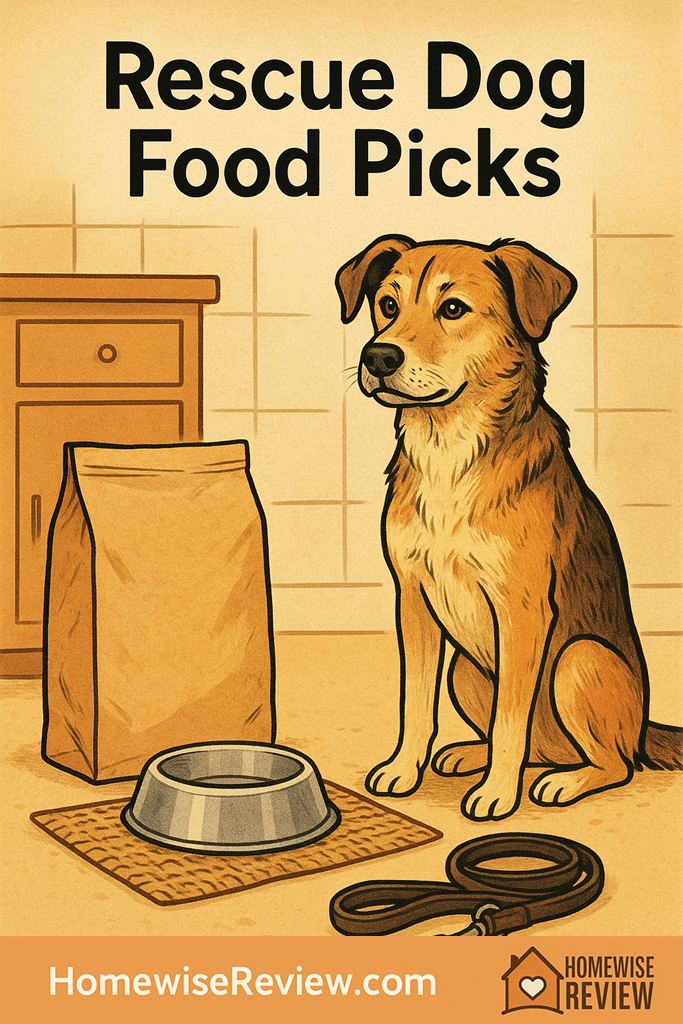
Newly adopted dogs often come home stressed, underfed, or touchy about food. A smart first pick can settle digestion, support skin and coat, and make the transition home much smoother.
In-depth Reviews
Purina Pro Plan Sensitive Skin & Stomach Salmon & Rice Formula Adult Dry Dog Food
- Usually easy to transition onto
- Strong stool and skin support
- Widely available when you need another bag
- Pricier than basic grocery-store kibble
- Fish-forward flavor is not every dog’s favorite
Hill’s Science Diet Sensitive Stomach & Skin Chicken Recipe Adult Dry Dog Food
- Gentle, steady digestion support
- Good option for dogs that prefer chicken
- Consistent kibble and dependable quality
- Less tempting for picky eaters
- Not the most budget-friendly choice
Natural Balance Limited Ingredient Salmon & Brown Rice Recipe Adult Dry Dog Food
- Simpler ingredient list for troubleshooting
- Helpful for dogs with suspected food triggers
- Good bridge while you monitor skin and stool
- Can cost more than standard formulas
- May be unnecessary if the issue is only transition stress
Purina Pro Plan Sensitive Skin & Stomach Salmon & Rice Formula Puppy Dry Dog Food
- Puppy nutrition with digestive support
- Usually well accepted by young dogs
- Good choice during catch-up growth
- Costs more than entry-level puppy kibble
- Fish-based flavor may not suit every pup
Purina ONE +Plus Digestive Health Formula Adult Dry Dog Food
- Solid value for the quality
- Easy to find in many stores
- Practical for larger dogs or multi-dog homes
- Ingredient list is not as streamlined as premium picks
- Less tailored for complex sensitivities
Buying Guide
What We Wish We Knew the First Week Home
The biggest feeding mistake with rescue dogs is changing too many things at once. A new home already means different water, different feeding times, new smells, new stress, and usually a flood of treats from well-meaning people. If the stool gets loose, you want to know whether the issue is the food itself, the fast switch, or everything else happening around it. Keeping the menu simple for the first week makes the whole picture easier to read.
Use a measuring cup, split meals on a schedule, and go light on extras at first. If your dog came from a shelter or foster that used another food, blend old and new gradually whenever possible. I also like keeping a quick note on appetite, energy, itching, vomiting, and stool quality. It sounds basic, but that little log can save money, prevent panic-buying, and make a vet conversation much more useful if something starts to look off.
One more practical tip is to feed in a quiet corner with a little routine around it. Some rescue dogs bolt food because they have learned to eat fast, while others hover around the bowl and walk away because they are overwhelmed. A calm feeding spot, a consistent bowl, and no pressure often improve mealtime more than switching formulas too quickly. If your dog gulps, a slow feeder can help, but I would still fix the routine before chasing a more complicated food.
💡 Editor’s Final Thoughts
Purina Pro Plan Sensitive Skin & Stomach Salmon & Rice is the top pick because it hits the sweet spot of digestibility, consistency, and easy long-term availability. If your rescue clearly reacts to ingredients, Natural Balance Limited Ingredient is the smarter next step, and puppies should go straight to the puppy-specific Purina Pro Plan version.
See also
If your new dog is still very young or already showing digestive trouble, our guide to best dog food for puppies with sensitive stomachs is the most natural next read.
- Best dog food picks for doodles
- Top dog food options for pitbulls with allergies
- Gentle treat ideas for senior dogs
- Our Embark dog DNA test review for breed and health clues
Frequently Asked Questions ▾
What kind of food is safest for a newly adopted rescue dog?
For most newly adopted dogs, a grain-inclusive food with a clear protein source and some digestive support is the safest starting point. The goal is not to chase the fanciest bag on the shelf. It is to choose a steady formula that is easy to find again, simple enough to monitor, and gentle enough that you can tell how your dog is really responding once the stress of adoption settles down.
If you know what the shelter or foster was feeding, use that as your bridge and switch gradually. If you do not know, start with a digestible adult formula like Purina Pro Plan Sensitive Skin & Stomach or Hill’s Sensitive Stomach & Skin, then watch stool quality, appetite, scratching, and energy for a couple of weeks.
How fast should I switch a rescue dog to new food?
Slow is usually better, especially if your dog arrived anxious, underweight, or already having loose stools. A gradual transition gives the gut time to adapt and helps you separate normal stress from a true food problem. If you have the old food, blend it into the new food over several days rather than replacing everything at once.
If you do not have the old food, keep the rest of the diet very plain for the first week. Skip rich toppers, table scraps, and too many training treats. If your dog vomits repeatedly, refuses food, or has severe diarrhea, it is time to call your veterinarian rather than trying a string of random formulas.
Should rescue dogs eat grain-free food?
Not by default. Grain-free can be helpful for a small number of dogs with specific needs, but it is not automatically better for a rescue with an unknown history. In many cases, a grain-inclusive food is a steadier first choice because it gives you fewer variables to sort through during a stressful transition.
If you suspect a true ingredient issue, a limited-ingredient grain-inclusive formula is often the better first experiment. That keeps the ingredient list simpler without jumping to a more specialized approach before you know whether grains are even part of the problem.
What signs tell me the food is not working?
The biggest clues are persistent loose stool, repeated vomiting, worsening gas, constant ear debris, increasing itchiness, or a coat that stays dull after the first adjustment period. Some dogs also show it in quieter ways, like walking away from meals, licking paws more, or having wildly inconsistent stools from day to day.
Give a new food a fair trial when your dog is otherwise stable, but do not keep pushing through obvious red flags. If symptoms are strong or your dog is losing weight, work with your veterinarian. Rescue dogs can bring parasites, stress colitis, dental pain, or medical issues that no kibble can fix on its own.
As an Amazon Associate, we earn from qualifying purchases made through links on our site.