

No-fuss 56V trimmer with POWERLOAD head for quick, tidy edges and easy line reloads during fast touch-ups.
We may earn a small referral fee
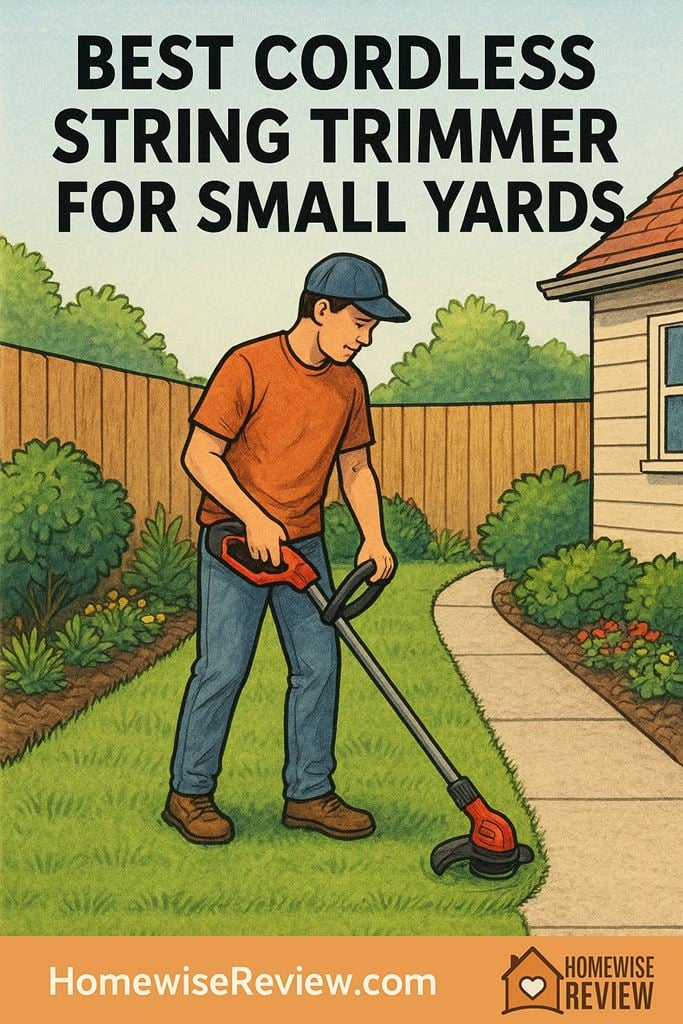
A small yard still needs crisp edges and quick weed cleanup, but a bulky, finicky trimmer can make the job feel bigger than it is. These cordless picks are the easiest, most reliable options for fast touch-ups and tidy lines.
In-depth Reviews
EGO Power+ ST1511T 56V Cordless String Trimmer with POWERLOAD
- Strong, steady cut without constant bogging
- Line loading is much less fiddly than typical heads
- Comfortable control for edging and tight spots
- Often costs more up front than smaller-battery platforms
- Can feel like more trimmer than you need for tiny lots
DEWALT 20V MAX XR Brushless String Trimmer (DCST922)
- Excellent control when you need to power up or back off
- Holds its speed well in denser patches
- Solid choice if you already own compatible tools
- Battery and charger are often sold separately
- Not the lightest option for long edging passes
Greenworks 40V 13-Inch Cordless String Trimmer/Edger Kit
- Easy to handle for quick touch-ups and edging
- Good everyday performance for routine yard upkeep
- Often the most straightforward “buy once and start” option
- Can struggle if you regularly hit thick, woody weeds
- Line feeding can take a little getting used to
RYOBI ONE+ 18V HP Brushless Cordless String Trimmer
- Nimble handling around beds, corners, and hardscapes
- Great option if you already own ONE+ batteries
- A comfortable choice for short, frequent trimming sessions
- Runtime depends heavily on which battery you pair it with
- Not ideal for heavy, overgrown weeds week after week
BLACK+DECKER 20V MAX String Trimmer/Edger (LST136)
- Simple, approachable option for light trimming
- Easy to maneuver around tight landscaping
- Good pick when you want cordless without a big spend
- Not ideal for thick or overgrown weeds
- Can go through line faster if you edge aggressively
Buying Guide
What I Wish I Knew Before Buying a Cordless Trimmer
Most “trimmer frustration” is really line and technique. For small yards, you will usually get cleaner results by trimming in light passes instead of trying to muscle through everything in one go. Keep the head slightly angled and let the line do the work. When you hear the motor strain, back off and take a second pass.
Edge with intention, not speed. If you like that crisp, fresh-cut border, slow down for the last few feet near walkways and beds. I also recommend doing edging first, then trimming, then a quick blow-off. It keeps debris from getting dragged back into freshly cleaned edges.
Battery care matters more than people think. For a small yard, you can get years out of one battery if you avoid storing it fully drained for long periods and keep it out of extreme heat. If you store tools in a shed, bring the battery indoors during the hottest part of summer and the coldest part of winter. It is a small habit that makes cordless ownership feel far less expensive over time.
💡 Editor’s Final Thoughts
Final verdict: The EGO Power+ ST1511T is my top pick for small yards because it feels genuinely effortless while still cutting with authority, and the line-loading system removes most of the usual trimmer frustration. If you already own a battery platform, the smartest move is usually to stay in-system, with DeWalt and Ryobi being especially solid choices.
See also
If you are building a simple, small-space setup, start with the best garden tools for small yards and pair it with our guide to garden tool organizers so everything stores neatly.
- Garden gloves that hold up to everyday weeding
- Gardening shoes with real grip for yard work days
- Garden kneelers that make edging and cleanup more comfortable
Frequently Asked Questions ▾
What cutting width is best for a small yard?
For most small yards, a moderate cutting width is the sweet spot. It covers ground quickly without feeling unwieldy around beds, fence lines, and tight corners. If you do a lot of edging and detail work, choosing control over maximum width usually feels better day to day.
Do I need a brushless motor in a cordless string trimmer?
You do not need brushless, but it is a nice upgrade if you want smoother power under load and better efficiency. In practical terms, brushless models tend to bog down less in thicker weeds and can be easier on the battery. For basic trimming on soft grass, a good brushed trimmer can still be perfectly adequate.
What line thickness should I use for light trimming?
Thinner line is usually plenty for weekly touch-ups and it often feeds more consistently. Thicker line can help when you are chewing through tougher weeds, but it can also increase drag and shorten runtime. If your trimmer allows multiple line sizes, start with the recommended line and only step up if you are consistently snapping it.
Is an auto-feed head better than bump feed?
Auto-feed can feel more convenient for quick sessions since you are not stopping to bump the head. The trade-off is that some auto-feed systems use line a bit faster, especially if you are heavy-handed. Bump feed can be more economical once you get the feel for it, and it gives you more control over how much line you dispense.
Should I buy into a battery system or choose a kit that includes a battery?
If you already own tools on a battery platform, staying in that system is usually the best value. If you do not own any compatible batteries yet, a kit is often the most straightforward way to get started because you can trim the day it arrives. For small yards, one solid battery and a reliable charger is often all you need.
As an Amazon Associate, we earn from qualifying purchases made through links on our site.