

Compact, leak-resistant soft cooler that keeps drinks cold, fits under deck bungees, and secures tightly when strapped for a wobble-free ride.
We may earn a small referral fee
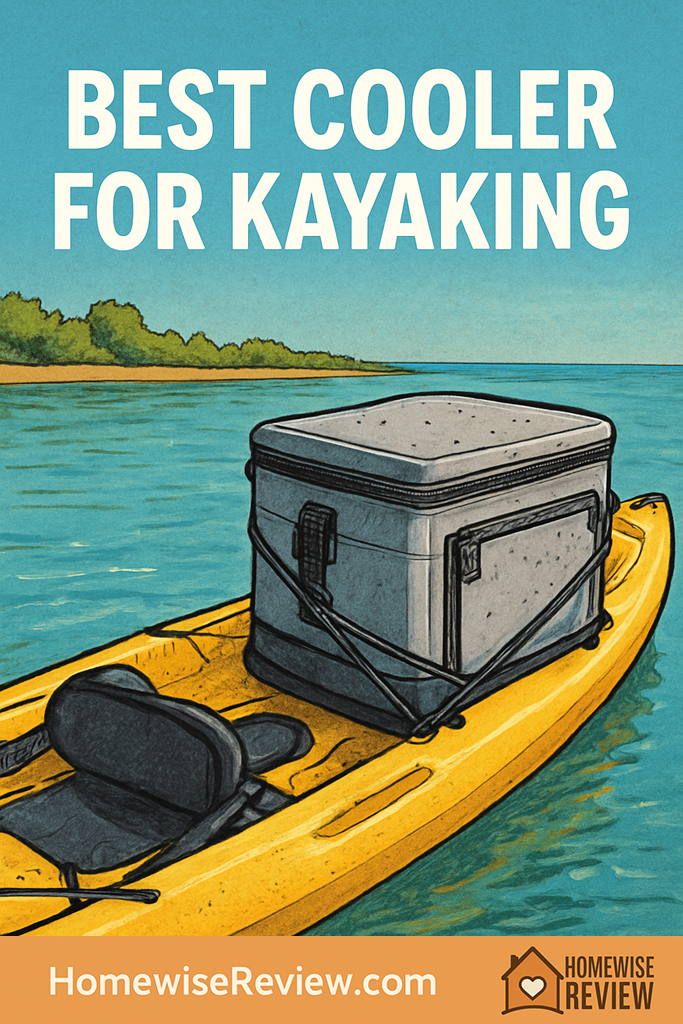
A kayak cooler has to do more than keep drinks cold. It needs to fit your deck or hatch, handle splashes, and stay strapped down when the wind and chop pick up.
In-depth Reviews
YETI Hopper Flip 12 Soft Cooler
- Excellent leak resistance in messy, real-kayak conditions
- Compact shape straps down easily without snagging your paddle stroke
- Holds temperature well for a day on the water when packed correctly
- Zipper can feel stiff until you get used to it
- Premium price for the size
ICEMULE Pro Cooler (23L)
- Backpack carry is ideal for carry-in launches and portages
- Roll-top closure is simple and reliable around water
- Float-friendly design adds peace of mind near shore breaks
- Digging for items can be slower than a wide-zip soft cooler
- Less “flat” footprint for some tankwells
Engel 13 Quart Drybox Cooler
- Rigid, stable shape is easy to strap down securely
- Latch-style closure stays shut when bumped or tipped
- Doubles as a tough storage box for mixed gear
- Hard shell is less forgiving in tight seating areas
- Capacity is limited compared with soft coolers of similar exterior size
RTIC Soft Pack 20
- Strong performance for the price
- Good capacity without jumping to an oversized raft-style cooler
- Works well as a shared day-trip cooler for two paddlers
- Bulkier than compact options on smaller kayaks
- Zipper can require firm, two-handed pulls when fully loaded
YETI Hopper M12 Backpack Soft Cooler
- Wide opening makes access faster than most backpack coolers
- Comfortable carry for walk-in launches
- Easy to keep organized for snack-heavy day trips
- Not the best choice if you expect full submersion
- Premium pricing
Buying Guide
Rig It Once: Cooler Tie-Down Tips That Prevent Mid-Trip Chaos
Use two straps, not one. A single strap can keep a cooler from flying out, but it won’t stop the annoying side-to-side wobble that slowly works your load loose. Run one strap lengthwise (bow to stern) and a second strap crosswise, then re-tighten after you launch and the cooler settles.
Make the cooler “low and boring.” Position it as low as possible and centered in the tankwell so it doesn’t act like a sail. If your kayak has a raised rear deck, place the cooler just far enough back that it won’t hit your seat when you lean, then cinch it so the lid or zipper faces the direction you can actually reach on the water.
Stop sliding before you tighten. If you’re constantly re-tightening bungees, add friction first: a thin non-slip pad or a strip of textured shelf liner under the cooler helps it grip the plastic deck. You get a more stable load with less strap tension, which also helps protect soft cooler seams over time.
💡 Editor’s Final Thoughts
Final verdict: The YETI Hopper Flip 12 is the top pick for most kayakers because it’s easy to strap down, genuinely leak-resistant in real-world splashes, and sized right for day-trip food and drinks. If floating and hands-free carrying matter more than maximum cold time, the ICEMULE Pro 23L is the smartest alternative.
See also
For a simple overnight kit beyond your paddling gear, start with the best toothbrush for receding gums so you can pack light without skipping the basics.
- Drugstore shampoos that fight frizz on humid trips
- Concealers that hold up for travel days (and sunblock)
- Eyeshadow shades for green eyes if you’re packing a minimal makeup bag
- Supportive bras that are comfortable for long drives and travel days
Frequently Asked Questions ▾
What size cooler is best for kayaking?
For most day trips, a compact soft cooler is the sweet spot because it fits behind the seat or on the tankwell without crowding your paddle stroke. If you routinely pack lunch, extra water, and a few safety items, consider a mid-size soft cooler. For longer outings, two smaller coolers (or a cooler plus a dry bag) often pack more cleanly than one bulky box.
Should I choose a hard cooler or a soft cooler for a kayak?
Soft coolers usually win for kayaking because they’re lighter, easier to wedge into tight spaces, and less likely to bang your hull or your knees. Hard coolers make sense if you want a rigid “camp seat,” maximum durability, or a cooler that can take being dragged onto rocky shorelines. Either way, prioritize tie-down points and a closure that won’t pop open if the cooler tips.
How do I keep my kayak cooler from sliding or flipping?
Use two independent straps: one front-to-back to stop sliding and one side-to-side to stop rolling. Tighten straps after the cooler is loaded because soft coolers compress. If your kayak has a tankwell, add a thin non-slip pad under the cooler to reduce movement before you cinch it down.
Do I need a waterproof cooler for kayaking?
You don’t need fully waterproof for calm lakes, but you do want leak resistance and a lid or zipper that won’t weep meltwater into your boat. If you launch through surf, paddle in rain, or expect waves over the deck, a cooler with a true dry-bag style closure or a high-quality gasketed zipper is worth the upgrade. It also keeps your food from getting soggy when water inevitably finds its way in.
What’s the best way to pack a cooler for longer ice life on the water?
Pre-chill the cooler if you can, then use a mix of block ice (or frozen water bottles) plus a little cubed ice to fill gaps. Keep items you will grab often near the top and everything else tightly packed below, since air space melts ice fast. If you’re opening the cooler frequently, split drinks into a smaller “grab cooler” and keep food in a second cooler that stays closed.
As an Amazon Associate, we earn from qualifying purchases made through links on our site.