

Feels like a proper daypack: stable, compact, and neatly organized for water, layers, tech, and everyday travel.
We may earn a small referral fee
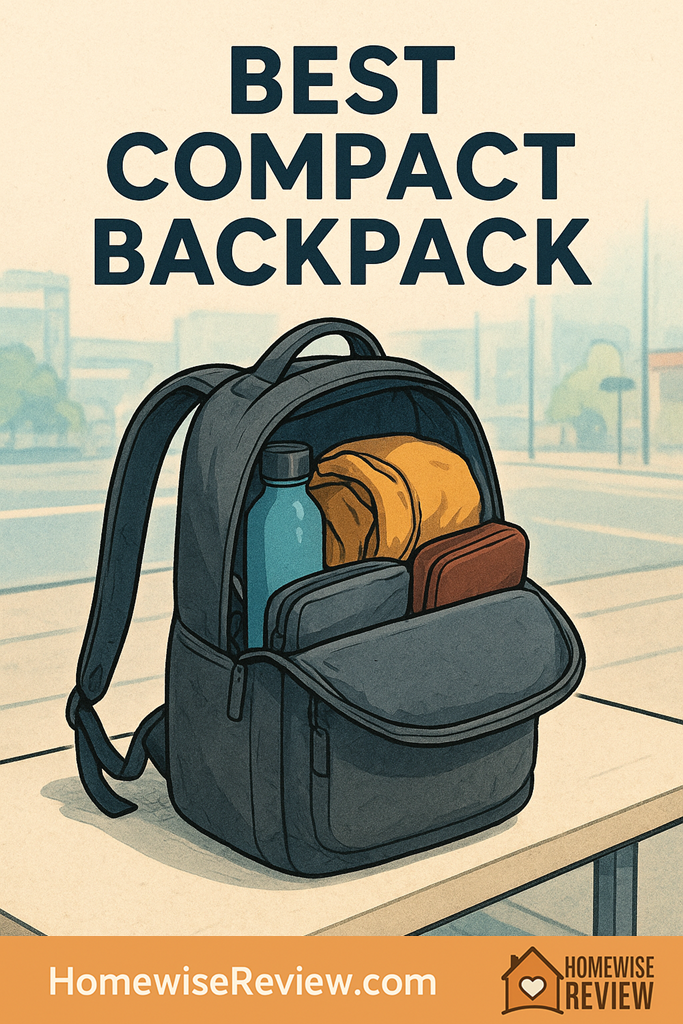
You want a backpack that stays small, carries comfortably, and still handles the real-world stuff: water bottle, layers, tech, and travel chaos. These compact picks balance size, comfort, and smart organization without feeling bulky.
In-depth Reviews
Aer Go Pack 2
- Comfortable carry for its weight
- Organization that stays easy to use
- Handles light rain and daily scuffs well
- Not as breathable as mesh-heavy hiking packs
- Minimal structure when completely empty
Osprey Daylite
- Supportive fit and stable ride
- Easy to pack without sagging
- Comfort holds up on long walks
- Sporty look may not fit every setting
- Less built-in organization than some urban packs
Bellroy Lite Daypack
- Very light and easy to stash
- Feels sleek without being stiff
- Good access for quick grab items
- Less supportive with heavier loads
- Limited padding compared with structured packs
Fjällräven Kånken Classic
- Wide opening makes packing and access easy
- Compact shape that stays tidy in crowds
- Lightweight and easy to wipe clean
- Straps can feel thin with heavier loads
- Minimal internal organization
Cotopaxi Batac 16L Backpack (Del Día)
- Lightweight but travel-tough in practice
- Simple layout that packs quickly
- Great as a secondary daypack
- Less structure for tech-heavy packing
- Colorways vary, so you cannot choose an exact look
Buying Guide
Travel Packing Tips: Make Any Compact Backpack Feel Bigger
Use two pouches, not five. A compact backpack gets messy fast when everything is loose. One small pouch for tech (charger, cable, earbuds) and one for “in-transit” items (lip balm, meds, wipes, gum) keeps your main compartment clean and makes security checks less stressful.
Pack for access, not symmetry. Put the stuff you reach for in motion near the top or in the front pocket: sunglasses, snacks, boarding pass, hand sanitizer. Heavier items like water and a power bank should sit low and close to your back so the load feels lighter and the bag swings less when you walk.
Fix comfort with a micro-layer. If a packable bag lacks padding, slide a folded thin layer (a scarf, light sweater, or even a flat pouch) against the back panel. It prevents hard edges from poking and makes the carry feel smoother without adding bulk. It is a small trick that can turn an “okay” compact backpack into an all-day one.
💡 Editor’s Final Thoughts
Final Verdict: The Aer Go Pack 2 is our top pick because it hits the sweet spot for busy travelers: lightweight, comfortable enough for long days, and organized without feeling fussy. If you want a smaller, more supportive carry, the Osprey Daylite is the easiest “set it and forget it” option.
See also
If your compact backpack is also your work-trip carry-on, start with our beauty routines for women who travel and add a scent from our best travel-size perfumes guide.
- Affordable sunscreen that earns a spot in your daypack
- Travel-friendly hair tools that pack small
- Skin tints you can apply fast (even without a mirror)
Frequently Asked Questions ▾
What size counts as a “compact” backpack for travel?
Most people mean roughly 12 to 20 liters, or a bag that stays close to your back and does not protrude far behind you in crowds. In practice, compact also means simple: one main compartment, a small front pocket, and maybe a laptop sleeve. If you want it to double as a personal item, look for a silhouette that compresses when it is not full, not a rigid box that holds its shape no matter what you put inside.
Can a compact backpack work as a personal item on flights?
Often, yes, especially if it is a soft-sided daypack that can squish under the seat when needed. The most common issue is depth: a compact bag that is overpacked can stick out and feel bulky under your legs. Keep your heaviest items toward the bottom and closest to your back, and consider moving a jacket or hoodie to the top so you can pull it out without unpacking everything.
How do I keep a small backpack from feeling heavy?
Fit and packing order matter more than liters. Tighten the shoulder straps so the bag rides high and does not sag; then use the sternum strap (if included) to stabilize side-to-side movement. Pack dense items like chargers and water low and close to your spine, and keep quick-grab items like snacks, wipes, and sunglasses in the smallest pocket you can. Even a great compact backpack will feel awful if weight swings around every time you take a step.
Are packable backpacks actually comfortable for full-day wear?
They can be, but comfort varies wildly. Packable designs trade structure for weight savings, so you will feel pressure points faster if the shoulder straps are thin or the back panel is just a layer of fabric. If you plan to wear the bag all day, prioritize a model with a little padding and a back panel that stays off clammy clothing when possible. Packable works best when you keep loads reasonable and use a small pouch to prevent hard edges from poking your back.
What features help with security in crowded places?
Start with basics: a zipper that closes fully, a main compartment you can keep against your body, and fewer exterior pockets that invite quick hands. Some compact backpacks have tighter openings or zip pulls that tuck under fabric garages, which makes casual access harder. For extra peace of mind, keep valuables in an interior pocket and carry the bag on one shoulder in packed transit so the zippers face forward and stay in your line of sight.
As an Amazon Associate, we earn from qualifying purchases made through links on our site.