

Hydrolyzed bovine collagen (types I/III) supplies glycine and proline for tendon and joint support—pair with a complete protein for muscle repair.
We may earn a small referral fee
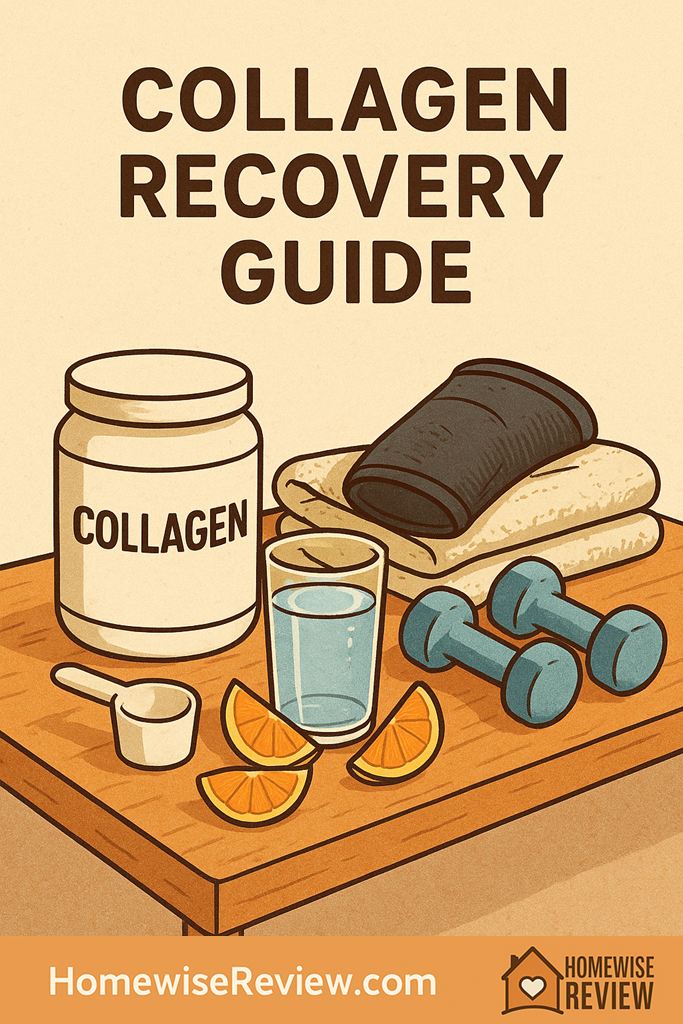
You want something that helps you bounce back from training, not just another pretty tub on the shelf. The best collagen for muscle recovery supports tendons, ligaments, and joints, but it should not replace a complete protein if muscle repair is your main goal.
If you searched for the best collagen for muscle recovery, the biggest question is what kind of recovery you mean. Collagen is not the top choice for rebuilding muscle fibers after a hard lift, but it can be very helpful for the tendons, ligaments, cartilage, and joints that make consistent training possible.
That distinction matters because many tubs are marketed like all-purpose protein. A good collagen supplement should be chosen for connective tissue support, clean dosing, and daily use, not just a trendy label or fancy flavor.
What collagen can and cannot do for muscle recovery
Where collagen helps most
Collagen is rich in glycine, proline, and hydroxyproline, the amino acids your body uses heavily in connective tissue. If your recovery issue feels like cranky knees, tight Achilles tendons, sore elbows, or the general wear-and-tear that comes from running, jumping, lifting, or doing repetitive training, collagen can make more sense than another scoop of standard protein.
Hydrolyzed collagen peptides are especially popular because they dissolve well and are easy to use daily. For active adults, the practical goal is often not building more muscle from collagen. It is keeping the support structures around the muscle feeling better so training stays steady.
Where collagen falls short
Collagen is not a complete protein, and it is relatively low in leucine, the amino acid that strongly helps trigger muscle protein synthesis. If your main goal is repairing muscle tissue after lifting or gaining muscle size, whey, milk protein, eggs, or another complete protein do that job better.
The honest middle ground is simple: collagen can be a smart recovery tool, but it should not be your only post-workout protein. Many people do best with collagen for connective tissue support and a separate complete protein for muscle repair.
| Recovery goal | Best approach | Why it fits |
|---|---|---|
| Sore tendons, stiff joints, overuse aches | Collagen peptides | Supports the tissues that absorb training stress |
| Muscle repair after strength training | Complete protein such as whey or milk protein | Provides stronger amino acid support for muscle protein synthesis |
| Both joint support and muscle recovery | Collagen plus a complete protein | Covers connective tissue and muscle tissue instead of asking one powder to do both |
Which type of collagen is best?
For most people shopping this category, the best overall choice is hydrolyzed collagen peptides from bovine sources, usually containing types I and III. It is versatile, easy to mix, usually affordable, and most directly matches the way active adults actually use collagen day to day.
| Type | Best for | Strengths | Watchouts |
|---|---|---|---|
| Hydrolyzed bovine collagen peptides | General recovery support, tendons, ligaments, everyday training | Usually 10 to 20 grams per serving, mixes easily, good value | Not a complete protein |
| Marine collagen peptides | Pescatarians or people avoiding bovine sources | Often simple ingredient lists, mostly type I collagen | Usually costs more, not for fish allergies |
| Type II collagen | Joint and cartilage support | Useful when joint comfort is the main issue | Typically lower dose and not the same as standard collagen peptides |
| Bone broth protein or capsules | People who want convenience or a food-based option | Portable and familiar format | Often lower collagen dose, higher cost per useful serving |
Best overall for most active adults
Choose hydrolyzed collagen peptides if you want the most practical option for muscle recovery support. Hydrolyzed means the protein has been broken into smaller peptides, which improves mixability and makes daily use less of a chore. Unflavored powders are often the safest buy because they can go into coffee, smoothies, oatmeal, or plain water without adding extra sugar.
When marine collagen makes sense
Marine collagen can be a solid choice if you avoid beef-based supplements or prefer a pescatarian-friendly source. It is usually rich in type I collagen and can work well for general connective tissue support, but it often costs more per gram, so compare the price based on actual collagen per serving, not just the tub size.
When type II is a better fit than standard peptides
If your recovery problem is really joint discomfort, especially around cartilage-heavy areas, type II collagen may be worth a look. It is a more targeted choice than a general peptide powder, but it is not the best answer if you expect it to replace a post-workout protein shake.
What to look for on the label
A collagen tub can look clean and still be a poor value. Before you buy, check the dose, ingredient list, and testing details the same way you would with any supplement you plan to use every day.
- At least 10 grams per serving, with 15 to 20 grams often being the sweet spot for active people.
- Hydrolyzed collagen peptides listed clearly on the front or supplement facts panel.
- Third-party testing or quality verification for purity and contaminants.
- Minimal extras, especially if you want to mix it into other foods and drinks.
- A realistic cost per serving, not just a cheap-looking sticker price on a tiny container.
A useful dose
Many collagen products look generous until you notice the serving only gives 5 grams. That can make sense in a capsule or beauty-focused formula, but it is not ideal if you want recovery support for training. A powder that gives 15 or 20 grams in one scoop is usually more practical and often cheaper per effective serving.
Third-party testing
Since collagen is sourced from animals or fish, quality control matters. A brand that uses third-party testing gives you a little more confidence that you are getting what is on the label and not paying for a pretty container with weak standards behind it.
Ingredient list and flavor system
The cleanest formulas are often just collagen peptides, with maybe a natural flavor if it is a flavored powder. Be cautious with long ingredient lists full of gums, sugar alcohols, or heavy sweeteners if you already have a sensitive stomach. Those extras, not the collagen itself, are often what make a supplement hard to tolerate.
Format and convenience
Powder is usually the best format because it makes it easy to hit a meaningful dose. Capsules can be handy for travel, but reaching 10 to 15 grams that way often means swallowing a surprising number of pills. Single-serve packets are convenient, though they are usually pricier than a basic tub.
How much collagen should you take, and when?
For general recovery support, most active adults do well with 10 to 20 grams a day. If you are specifically trying to support tendons and ligaments around training, 15 grams is a common practical target, and pairing it with a source of vitamin C can help support collagen formation.
Timing matters less than consistency for most people. Still, if your workouts include sprinting, jumping, heavy lifting, or rehab work for a nagging area, taking collagen about 30 to 60 minutes before training is a reasonable routine. If that sounds fussy, take it whenever you will remember it, every day.
- For joint and tendon support: 10 to 20 grams daily, preferably on a consistent schedule.
- For training sessions that stress connective tissue: take it before the session with some vitamin C from fruit, juice, or a basic supplement.
- For muscle repair after lifting: still use a complete protein separately, because collagen should not carry that job alone.
Best collagen choice by training scenario
If you lift heavy and your elbows, shoulders, or knees complain
Pick an unflavored bovine collagen peptide powder with 15 to 20 grams per serving and third-party testing. This is the most balanced choice for strength training because it is easy to use daily, easy to budget for, and suited to the connective tissue strain that comes with pressing, squatting, and pulling.
If you run, jump, or do court sports
Stay with hydrolyzed collagen peptides, but be more careful about timing. Tendon-heavy training tends to reward consistency, so a simple pre-workout routine, like collagen in water with a small vitamin C source, is often more useful than randomly taking it a few times a week.
If your main issue is joint comfort, not sore muscles
Consider whether type II collagen makes more sense than a general peptide powder. It is the better fit when the question is cartilage support and day-to-day joint comfort, especially if you already eat enough complete protein but still want something more targeted.
If you have a sensitive stomach or avoid bovine products
Look for a simple marine collagen with no sweeteners, no creamers, and no long list of add-ins. It may cost more, but a clean formula can be worth it if that is what helps you actually use it consistently.
Common mistakes when buying collagen
- Using collagen as your only protein. It helps connective tissue, but it is not the best standalone option for rebuilding muscle.
- Buying by marketing words instead of grams. Beauty blend, joint support, and performance mean very little without a useful dose.
- Paying for capsules when you need powder. Capsules can be fine, but the dose is often too small for the price.
- Expecting instant results. Collagen is usually a steady habit, not a one-week fix.
- Falling for vegan collagen claims. True collagen is animal- or fish-derived. Plant products can support your body’s own collagen production, but they are not collagen.
A realistic trial is usually several weeks of daily use, not a couple of workouts. If a product is hard to mix, tastes overly sweet, or costs so much that you skip days to stretch it out, it is probably not the best one for you, even if the label sounds impressive.
A simple recovery routine that actually works
If you want collagen to be useful, keep the routine uncomplicated. The best supplement is the one that matches your real problem and fits into a normal week without much fuss.
- Pick the right type. For most active adults, that means hydrolyzed bovine collagen peptides. Use marine if you avoid bovine, or type II if joint support is the real goal.
- Take a meaningful dose. Aim for 10 to 20 grams a day, not a beauty-style sprinkle.
- Pair it with complete protein. After training, include whey, Greek yogurt, eggs, milk, or another full protein source if muscle repair matters to you.
- Give it time. Watch how your joints and overused areas feel over 8 to 12 weeks, not two or three days.
- Do the basics too. Sleep, carbs after hard sessions, hydration, and sensible training load matter far more than any supplement label.
💡 Editor’s Final Thoughts
The best collagen for muscle recovery, for most people, is a hydrolyzed collagen peptide powder that provides 15 to 20 grams per serving, has a short ingredient list, and comes from a brand with solid testing. It shines when your recovery issue is really connective tissue stress, like achy joints, tendons, and the wear-and-tear that makes training feel harder than it should.
If your top goal is muscle repair or building size, collagen is helpful but incomplete. Use it as a support tool, then let a complete protein handle the actual muscle-building side of recovery.
See also
If you spend a lot of training time outside, our guide to the best sunscreen for dry skin pairs well with any recovery routine.
- Best dehumidifiers for mold-prone home gyms and basements
- Clay masks for blackheads after sweaty workouts
- Drugstore shampoo picks for frizz after frequent washing
- Foundation options for melasma-prone skin
Frequently Asked Questions ▾
Is collagen better than whey for muscle recovery?
No, not if you mean repairing muscle fibers after lifting. Whey is usually better for muscle protein synthesis because it is a complete protein and richer in leucine. Collagen is better thought of as support for tendons, ligaments, joints, and other connective tissues.
How much collagen should I take for recovery?
A practical range is 10 to 20 grams daily. If you are targeting tendon or ligament support around training, 15 grams taken consistently is a strong starting point.
Which collagen type is best for recovery?
Hydrolyzed bovine collagen peptides are the best all-around choice for most active adults. Marine collagen is a reasonable alternative if you avoid bovine sources, and type II collagen is more targeted for joint and cartilage support.
How long does collagen take to work?
Think in weeks, not days. Many people judge it best over 8 to 12 weeks of steady use, especially if the goal is better comfort in joints and tendons rather than a dramatic short-term change in muscle soreness.
As an Amazon Associate, we earn from qualifying purchases made through links on our site.