

Gives steady, wind-resistant flame and stable supports so you can simmer or sear with full control.
We may earn a small referral fee
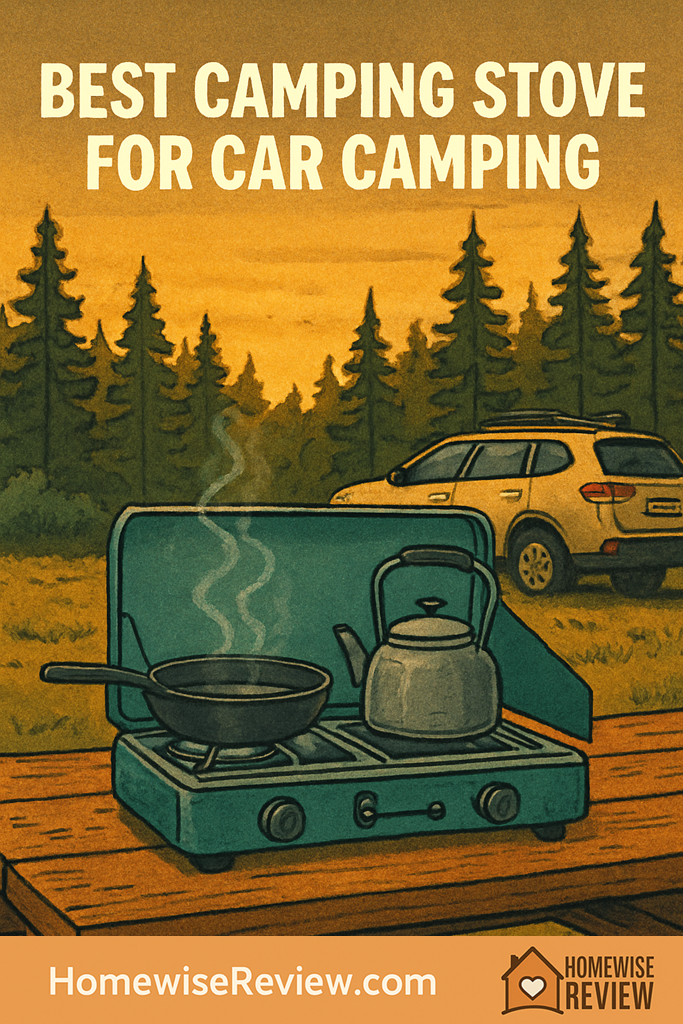
A good car-camping stove should light fast, hold a real simmer, and keep cooking when the wind picks up. These picks cover everything from quick breakfast stops to full-on campsite dinners.
✨ 2026 Spotlight
2026 Spotlight: This year, shoppers are paying closer attention to faster boil times, finer simmer adjustment, and smarter packability for weekend car-camping setups. New interest is also building around modular stove systems and cast-aluminum griddles that pair well with proven favorites like the Camp Chef Everest 2X Two-Burner Camp Stove and Jetboil Genesis Basecamp System. If you cook beyond basic one-pan meals, a compact windscreen and a heat diffuser are still two of the most useful add-ons to bring.
In-depth Reviews
Camp Chef Everest 2X Two-Burner Camp Stove
- Strong wind resistance that helps maintain consistent heat
- Wide, stable pot supports for real cookware
- Predictable flame control for both searing and simmering
- Bigger footprint than compact nesting systems
- Not the lightest option if you carry gear far from the car
Coleman Triton+ 2-Burner Propane Stove
- Simple setup and pack-up for casual car camping
- Good overall heat distribution for everyday meals
- Generally forgiving to cook on, even for beginners
- Low simmer can take practice
- Wind performance depends heavily on campsite positioning
Eureka Ignite Plus Two-Burner Camp Stove
- More confident simmering for delicate foods
- Roomier cooking area that fits real pans better
- Feels steady and controlled during longer cook sessions
- Not the cheapest two-burner stove
- Still benefits from smart wind positioning in gusty campsites
Jetboil Genesis Basecamp System
- Highly packable system that stores neatly in the car
- Quick setup for coffee and meals on the move
- Efficient cooking style that conserves fuel in typical use
- Canister fuel is less convenient for long trips in some areas
- Less ideal for very large pans compared to wide suitcase stoves
Camp Chef Explorer Two-Burner Stove
- Handles large cookware confidently without feeling cramped
- Great choice for group trips and batch cooking
- Flexible platform for camp kitchen add-ons and accessories
- Bulkier to transport than suitcase stoves
- Needs a thoughtful windbreak strategy in exposed sites
Buying Guide
Pro Tips: Make Your Camp Stove Cook Like Your Home Range
Bring one “control” accessory. If you cook anything delicate, pack a small heat diffuser plate or a heavier skillet that holds heat evenly. It smooths out temperature swings and makes simmering less finicky, especially on breezy mornings when the flame wants to fluctuate.
Upgrade your fuel plan before you upgrade your stove. For propane stoves, an adapter hose to a standard tank can be a comfort upgrade as much as a cost saver. You get steadier cooking sessions, fewer mid-meal bottle swaps, and an easier time planning fuel for a longer weekend.
Set up for the wind and the mess. Use your vehicle or a table as a windbreak, and keep a small “wipe kit” nearby (paper towels plus a mild degreaser) so spills do not bake on. A quick wipe while the stove is still slightly warm is usually faster than a deep scrub at home, and it keeps your stove from smelling like old bacon in the garage.
💡 Editor’s Final Thoughts
Final Verdict: The Camp Chef Everest 2X is the top pick for most car campers because it combines strong wind performance with flame control that makes real cooking feel easy. If you want a cheaper workhorse, the Coleman Triton+ gets the basics right without fuss.
See also
If your gear tends to come home damp (and starts to smell funky), a good dehumidifier for mold prevention can help protect stoves, coolers, and camp bins between trips.
- supportive bra picks for everyday comfort
- drugstore shampoos that actually fight frizz
- favorite toys that keep Dachshunds busy
- clay masks that target blackheads
Frequently Asked Questions ▾
Can I run a car-camping stove off a 20 lb propane tank?
Often, yes, and it is one of the easiest upgrades for car camping. Many two-burner stoves accept an adapter hose so you can connect to a standard grill-style tank, which saves money and reduces the number of small bottles you need to pack.
Check the manual for your exact model and look for language like “bulk tank hose” compatibility. For freestanding stove systems, a tank connection is usually the default. For suitcase stoves, you may need a specific hose and regulator setup to get safe, steady pressure.
How many burners do I really need for car camping?
Two burners is the sweet spot for most campers because it lets you run a main pan plus a pot, or cook while keeping something warm. If you mostly do simple one-pan meals, a single burner can work, but it slows you down for breakfast and coffee.
If you cook for a group or like to prep sides at the same time, choose two burners with enough spacing for larger pans. Crowded burners are a common frustration, especially when you try to use a wider skillet and a pot together.
What matters more than BTUs when choosing a camp stove?
Flame control and wind performance usually matter more than raw output. A stove that holds a steady low flame without sputtering will cook better, waste less fuel, and feel less stressful when you are trying not to scorch dinner.
Also pay attention to pot support and stability. A solid grate that keeps a heavy pot from sliding is a bigger quality-of-life improvement than extra output you rarely use.
How do I keep my stove from blowing out in the wind?
Start by positioning the stove behind your vehicle, a picnic table windbreak, or a natural barrier like a boulder. Built-in wind panels help, but gusts can still sneak in from the sides.
If you regularly camp in exposed areas, prioritize stoves known for strong wind resistance, and consider a safe, purpose-built windscreen designed for your fuel type. Avoid fully enclosing canister stoves in a way that could trap heat around the fuel source.
How do I clean and store a camp stove so it works next trip?
At camp, let everything cool, then wipe down grease and spills before they harden. At home, remove grates and drip trays, wash with hot soapy water, and dry completely. Crumbs and grease are what attract bugs and cause sticky knobs.
For storage, keep the stove in a dry bin or case, and avoid leaving it in a damp trunk for weeks. If you use propane, inspect the fuel connection occasionally and keep the burner area free of spider webs and debris that can affect the flame pattern.
As an Amazon Associate, we earn from qualifying purchases made through links on our site.