

Dependable 1080p webcam with steady autofocus and natural color, plug-and-play for Twitch, Zoom, and OBS; looks better with a simple front key light.
We may earn a small referral fee
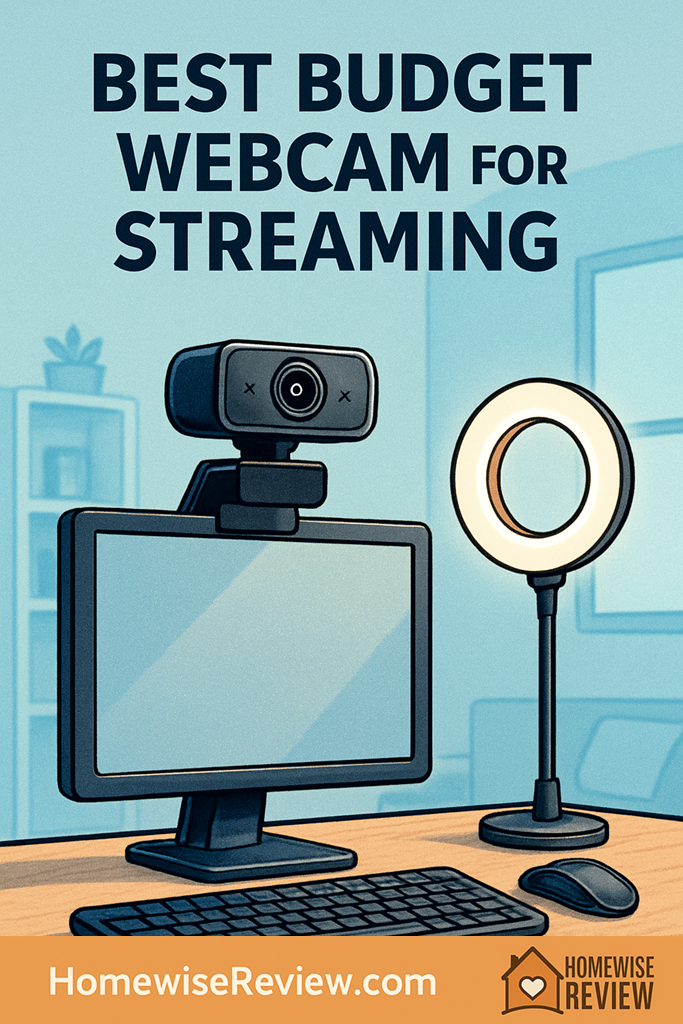
Your stream can look sharp and professional without a pricey camera. These budget webcams deliver clean video, reliable autofocus, and easy setup for Twitch, YouTube, Zoom, and OBS.
In-depth Reviews
Logitech C920s Pro HD Webcam
- Consistently sharp image in normal room lighting
- Reliable autofocus that does not pump constantly
- Good baseline color with minimal tweaking
- Low light performance depends heavily on your lighting
- Not ideal if you want higher frame rates at full HD
Anker PowerConf C200 Webcam
- Flexible framing makes setup easier on small desks
- Controls are useful for locking in a consistent look
- Solid detail for talking-head streaming
- Needs decent lighting to avoid noise
- Microphones are fine for calls but not stream-quality
Razer Kiyo Streaming Webcam
- Built-in light boosts clarity in dim rooms
- More consistent exposure for late-night streaming
- Smoother motion option for face-cam
- Light can look harsh if aimed straight at your face
- Color may need a quick tweak in software
Logitech C922 Pro Stream Webcam
- Smoother motion option for expressive on-camera movement
- Easy to get stable results across common apps
- Good balance of sharpness and usability
- Full HD is limited to a lower frame rate
- Auto exposure can brighten and darken if lighting changes
Microsoft Modern Webcam
- Natural-looking color and highlights
- Handles bright backgrounds better than many budget cams
- Simple, reliable plug-and-play performance
- Not aimed at high frame rate streaming
- Limited advanced controls compared to creator-first models
Buying Guide
Pro Tip: Make a Budget Webcam Look Expensive in 10 Minutes
Put light in front of you, not behind you. The biggest upgrade is a simple key light at about eye level, angled slightly from the side. If you only have a lamp, aim it at a wall to bounce softer light back onto your face. This reduces harsh shadows and helps your webcam stop cranking gain, which is what creates that grainy look.
Lock down your camera behavior. In your webcam settings, turn off any auto features that are “jumping” on stream, especially auto exposure and auto white balance. Set them once, then leave them alone. A consistent picture looks more professional than a picture that constantly changes brightness mid-sentence.
Raise the camera and simplify your background. Place the webcam slightly above eye level and tilt it down a touch to avoid the unflattering “chin cam” angle. Then clean the lens gently and remove one distracting background element (a bright window, a mirror, a messy shelf). Fewer competing highlights means the webcam can expose your face more accurately.
💡 Editor’s Final Thoughts
Final Verdict: The Logitech C920s Pro HD is the top pick for most streamers because it delivers consistently clean 1080p video, dependable autofocus, and easy plug-and-play reliability. If your room is dim and you cannot add a light, the Razer Kiyo is the simplest way to get a brighter, more usable image fast.
See also
If you’re upgrading your stream setup beyond video, Best Home Bluetooth Speakers for Every Room and Budget can help you dial in better room sound for casual playback and monitoring.
- Dachshund toy favorites for busy, energetic pups
- Eyeshadow picks that make green eyes pop
- Supportive bras designed for sagging busts
- Foundations that help cover melasma more evenly
Frequently Asked Questions ▾
Is 1080p actually enough for streaming?
For most streamers, yes. A solid 1080p webcam looks great on Twitch and YouTube because your face-cam is often shown in a smaller window, and platform compression tends to flatten ultra high resolution details anyway. What matters more than raw resolution is stable exposure, accurate color, and avoiding motion blur when you move.
If you’re choosing between higher resolution and better lighting, prioritize lighting first. Even a basic webcam can look noticeably cleaner with a simple key light and locked exposure.
Do I need 60 fps on a webcam for a better stream?
It depends on how you use your camera. If your face-cam is large on screen and you move a lot (reacting, demonstrating products, standing at a whiteboard), 60 fps at 720p can look smoother and more natural than 1080p at 30 fps. It also helps reduce the “stuttery” look during quick gestures.
If you mostly sit still and your face-cam is small, 30 fps is usually fine. In that case, prioritize a webcam that handles skin tones well and doesn’t constantly hunt for focus.
Why does my webcam look grainy, and how do I fix it cheaply?
Grain is usually a lighting problem, not a webcam problem. In a dim room, webcams boost gain (digital brightness), which adds noise and smears fine detail. The quickest fix is adding more light close to you, not behind you. A small desk lamp aimed at a wall for bounce light can be surprisingly effective and comfortable on your eyes.
Then open your webcam controls and turn off auto exposure if you can. Set exposure a bit darker and add real light instead. You’ll get a cleaner image with less “snow” and fewer blotchy shadows.
Should I use autofocus or manual focus for streaming?
If you sit at a consistent distance (typical desk setup), manual focus or fixed focus often looks more professional because the image stays steady. Autofocus can “pump” when your hands move toward the camera or when lighting changes, which is distracting on stream.
That said, autofocus is helpful if you frequently lean in and out, or if you show objects to the camera. If your webcam autofocus is jumpy, try improving light first. Autofocus almost always behaves better in a brighter scene.
Will these budget webcams work with OBS and Streamlabs?
Yes. All of the picks in this guide are straightforward UVC webcams, so OBS, Streamlabs, Zoom, Teams, and Google Meet should recognize them without special drivers. In OBS, add a new Video Capture Device, select the webcam, and then check your webcam properties to set resolution and frame rate.
One tip: if your stream looks washed out, make sure you’re not double-correcting color. Keep webcam auto settings minimal, then add small adjustments in OBS (contrast, saturation) only if needed.
As an Amazon Associate, we earn from qualifying purchases made through links on our site.