

Pulls loose undercoat quickly during seasonal sheds—work in short 5–10 minute strokes starting at the shoulders to keep grooming calm.
We may earn a small referral fee
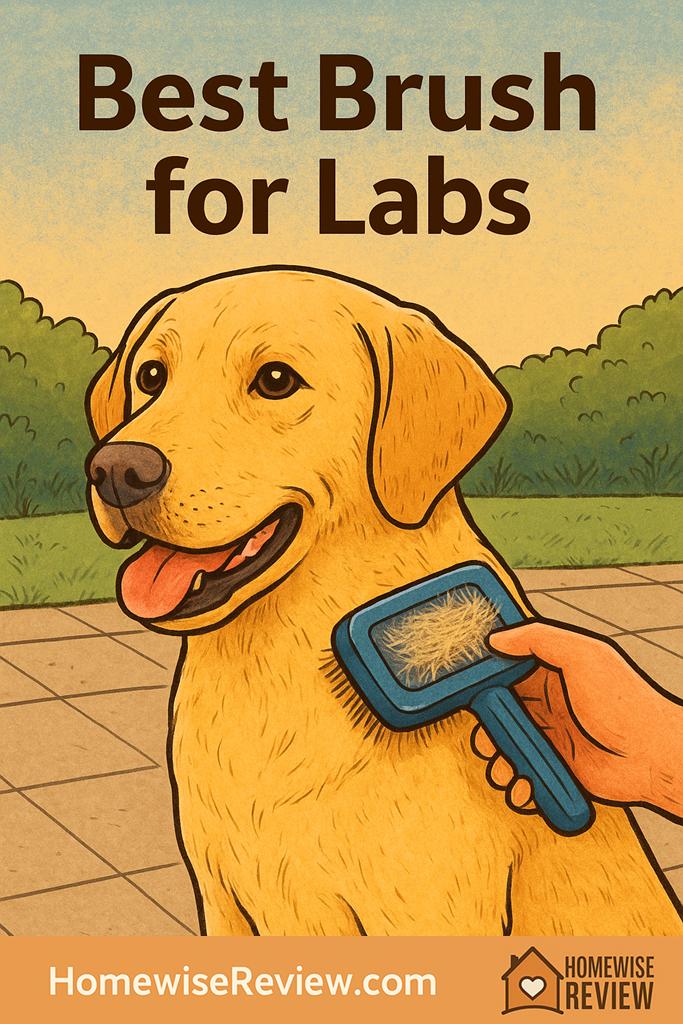
Your Lab’s coat can turn couches and car seats into fur magnets overnight. The right brush cuts shedding fast without scraping skin or damaging that dense double coat.
In-depth Reviews
FURminator Undercoat deShedding Tool for Dogs (Large)
- Removes undercoat efficiently during seasonal shed
- Cuts brushing time when used correctly
- Helps the coat lie flatter after grooming
- Overuse or heavy pressure can irritate skin
- Not ideal for quick, everyday touch-ups
KONG ZoomGroom Dog Grooming Brush
- Gentle feel that many brush-haters tolerate
- Excellent for loosening hair while shampooing
- Quick maintenance between deeper grooms
- Less effective than undercoat tools in peak shedding
- Can take more passes on very dense coats
Hertzko Self Cleaning Slicker Brush
- Good all-around brush for routine coat upkeep
- Easy to remove collected fur between sections
- Helps smooth the coat after deeper de-shedding
- Can scratch if you press too hard
- Not as effective as a rake for packed undercoat
Safari Double Row Undercoat Rake
- Reaches deep into dense undercoat
- Useful for high-shed seasons and “packed” coat
- Helps loosen hair in hard-to-brush areas
- Too aggressive for daily whole-body brushing
- Needs careful technique around elbows and hips
HandsOn Grooming Gloves (Pair)
- Easiest option for dogs that resist brushes
- Great control around sensitive areas
- Helps you spot skin issues while grooming
- Not strong enough alone for heavy coat blowouts
- Can be awkward to de-fur mid-session
Buying Guide
Quick Brushing Routine That Actually Works for Labs
Start with the “easy wins” and keep it short. Put your Lab on a non-slip surface, then begin on the shoulders and along the back, where most dogs tolerate handling best. Aim for 5 to 10 minutes, not perfection. If your dog is sensitive, start with a rubber brush or gloves for a few sessions so brushing feels like calm attention, not a wrestling match.
Work in layers, not random swipes. On a double coat, you will get better results if you brush in small sections: shoulder, side, chest, then hips and tail. Use the tool in the direction the coat lays, and do a quick second pass against the grain only if your dog is comfortable and your tool is meant for it. The moment you stop pulling out hair from a spot, move on to avoid scraping the same area.
Use a two-tool strategy during heavy shedding. First, use an undercoat-focused tool (a de-shedder or rake) to remove what is ready to release. Second, “finish” with a slicker or rubber brush to lift what is left on the surface and make the coat lie neatly. If you brush outdoors or over a washable blanket, cleanup becomes a 30-second shake instead of a vacuum session.
💡 Editor’s Final Thoughts
Final verdict: The FURminator Undercoat deShedding Tool (Large) is the top pick for most Labs because it pulls loose undercoat efficiently without turning every grooming session into a 30-minute workout. If your dog is sensitive or squirrely, keep a KONG ZoomGroom on hand for fast, low-drama maintenance between deeper brush-outs.
See also
For the cleanest coat and the easiest brush-out, pair your brush with the right wash from the best shampoo for Labs.
- Best toys for Labs to burn energy between grooming sessions
- Best brush for French Bulldogs for short-coat brushing ideas
- Best crate for your dog for calmer downtime after baths and brushing
- See our guide to top harnesses for comfortable walks after grooming
Frequently Asked Questions ▾
How often should I brush a Labrador?
Most Labs do well with brushing 2 to 4 times per week, with daily sessions during seasonal blowouts. Keeping sessions short and consistent usually works better than one long, frustrating marathon.
Is a de-shedding tool safe for Labs?
Yes, as long as you use light pressure and avoid repeated passes over the same spot. Stop if you see redness, dandruff, or thinning, and switch to a slicker or rubber brush for a few sessions to let skin settle.
What brush is best for a Lab that hates brushing?
A rubber curry brush or grooming glove is often the easiest “gateway” because it feels closer to petting than grooming. Start with 2-minute sessions, reward calmly, and only graduate to an undercoat tool once your dog is relaxed.
Can brushing replace bathing for a Labrador?
Brushing helps a lot with loose hair, dust, and that “doggy” smell trapped in shed fur, but it does not remove oils and grime the way a bath does. For most households, frequent brushing plus an occasional bath is the sweet spot.
Why is my Lab still shedding after I brush?
Labs shed year-round, and during coat blows there is simply more undercoat releasing each day. If you are brushing on a schedule and still seeing piles of fur, switch to a tool that reaches deeper into the undercoat and add a quick second session later in the week.
As an Amazon Associate, we earn from qualifying purchases made through links on our site.