

Quickly lifts loose undercoat and light tangles without shredding hair, leaving feathering smooth and the coat looking freshly groomed.
We may earn a small referral fee
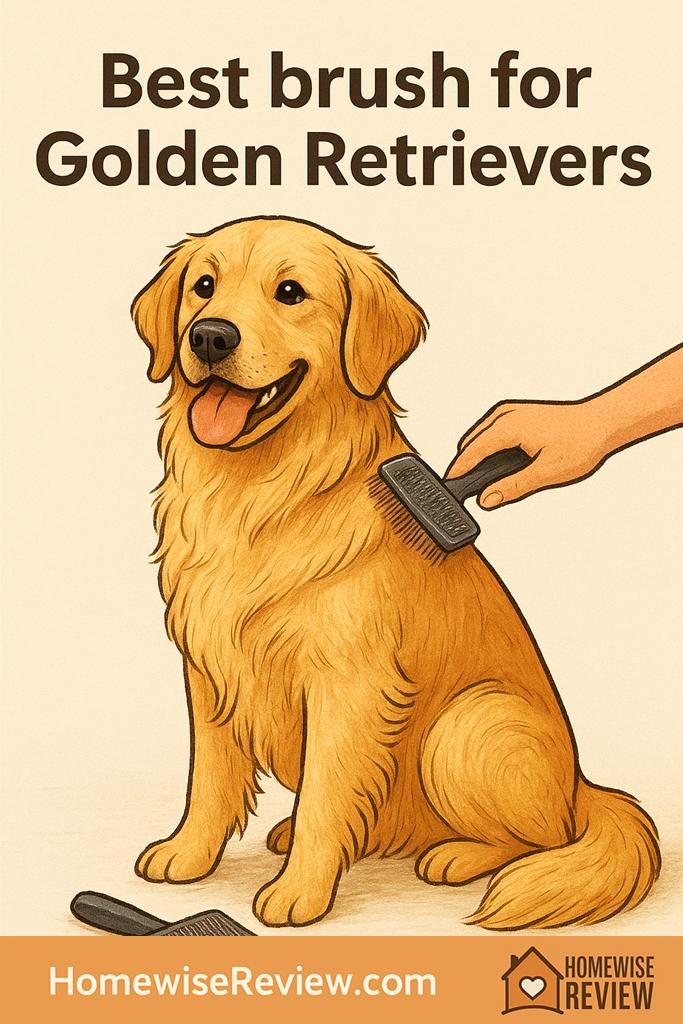
Your Golden’s coat can look perfect one day and explode into shedding and tangles the next. The right brush combo keeps the undercoat under control without turning grooming into a wrestling match.
In-depth Reviews
Chris Christensen Big G Slicker Brush
- Quickly lifts loose coat and light tangles with minimal snagging
- Excellent control on feathering and hard-to-reach curves
- Leaves the coat looking clean and “finished,” not just de-shedded
- Price is higher than typical pet-store slickers
- Can irritate skin if you press hard or overwork one spot
FURminator Undercoat Deshedding Tool for Dogs (Long Hair)
- Removes undercoat efficiently during seasonal blowouts
- Works quickly on high-shed zones like back and hindquarters
- Helps reduce loose hair around the house when used sparingly
- Overuse can lead to coat breakage or skin irritation
- Not ideal for working through mats or tight tangles
Andis Premium Pet Grooming Rake
- Loosens dense undercoat without needing aggressive pressure
- Great for finding hidden clumps before they tighten into mats
- Pairs well with a slicker for a clean final finish
- Can snag if you rush through feathering or existing mats
- Not the fastest tool for fine surface tangles
Maxpower Planet Double-Sided Undercoat Rake
- Good undercoat removal for the money
- Two rake densities help you adjust to coat condition
- Speeds up weekly maintenance on the body coat
- Less refined feel than premium rakes on sensitive dogs
- Not a substitute for a slicker on feathering tangles
KONG ZoomGroom (Dog Grooming Brush)
- Gentle feel, often better tolerated by brush-shy dogs
- Helps release loose coat during bathing and towel-drying
- Easy to rinse clean and use quickly between full grooming sessions
- Does not reach deep undercoat like a rake or deshedding tool
- Limited for tangles and feathering mats
Buying Guide
Quick Care Guide: A Golden Retriever Brushing Routine That Actually Works
Start with friction zones first. Before you do the “easy” back and sides, check behind the ears, armpits, collar area, and the pants and tail feathering. Those are the spots that turn into tight mats, and they also tell you which tool to grab. If you feel knots with your fingertips, slow down and work in small sections instead of trying to power through.
Use the right order of tools. On most Goldens, you’ll get the cleanest result by loosening undercoat on the body first (rake or deshedding tool), then switching to a slicker for feathering and surface tangles. If your dog is sensitive, reverse it: a few gentle slicker strokes first, then a very light undercoat pass where shedding is heaviest. Either way, keep strokes short and controlled to avoid scraping the skin.
Prevent “brush burn” with simple habits. Brush a dry coat only if the skin is calm, and don’t keep working the same patch once the loose hair stops coming out. If you bathe your Golden, use the ZoomGroom in the shampoo, then towel-dry and brush again when the coat is just slightly damp, not dripping. Finally, clean hair out of your tools after every session, because a clogged brush pulls harder and makes your dog dislike grooming faster.
💡 Editor’s Final Thoughts
Final verdict: The Chris Christensen Big G Slicker Brush is our top pick because it tackles Golden feathering and everyday tangles quickly while staying gentle when you use light pressure. Pair it with an undercoat-focused tool like the Furminator or an undercoat rake during shedding season for the biggest reduction in tumbleweeds.
See also
If grooming is also when you notice rubbing or matting under straps, don’t miss our pick for the best harness for Golden Retrievers.
- Best brush picks for French Bulldogs (short coat, different tools)
- The best shampoo for Labs when shedding and odor spike
- Top shampoos for doodles if you also groom a curly-coated dog
- See our guide to dog beds for cozy, washable sleeping setups
Frequently Asked Questions ▾
What type of brush is best for a Golden Retriever’s double coat?
Most Golden Retrievers do best with a two-tool routine: a slicker brush for the surface coat and feathering, plus an undercoat rake or deshedding tool for the dense undercoat. The slicker handles daily debris, light tangles, and that “fluffy finish.” The undercoat-focused tool is what actually reduces shedding during seasonal blowouts. Using the right tool for the right layer prevents you from over-brushing one spot.
How often should I brush my Golden Retriever?
For a typical house pet Golden, aim for 10 to 15 minutes, about 3 to 4 times per week, then increase during spring and fall shedding. If your dog swims often, hikes in burrs, or mats behind the ears, you may need quick touch-ups in between. Consistency matters more than marathon sessions because small tangles turn into tight mats quickly in the feathering. A short routine is also easier on sensitive skin.
Is a deshedding tool safe for Golden Retrievers?
Yes, when used lightly and correctly. The risk comes from pressing too hard, doing too many passes in the same area, or using it on dry, irritated skin, which can cause “brush burn” and coat breakage. Keep sessions short, use gentle pressure, and stop as soon as you see redness or your dog’s tolerance drops. Many owners get the best results using a slicker first, then a few careful passes with the deshedding tool where shedding is heaviest.
How do I brush a Golden Retriever without hurting them?
Work in small sections and use a “line brushing” approach: lift the top coat and brush outward from the skin a little at a time, rather than scraping across the surface. Hold the hair near the skin when you tackle feathering so you’re not pulling the skin along with the tangle. If you hit resistance, switch tools or back up and tease it apart rather than forcing the brush through. A light mist of dog-safe detangling spray can help the brush glide and reduce breakage.
What areas mat the fastest on Golden Retrievers?
The most common trouble zones are behind the ears, in the armpits, around the collar and harness area, and in the “pants” and tail feathering. These spots get friction from movement, straps, and lounging, plus they trap moisture after baths or swimming. Check them with your fingers first, then use a slicker and finish with a comb if you have one. Catching small knots early is the difference between easy grooming and a painful de-matting session.
As an Amazon Associate, we earn from qualifying purchases made through links on our site.