

Lifts loose hair and eases early tangles quickly—best used in short, calm sessions with light, repeated strokes over bony areas.
We may earn a small referral fee
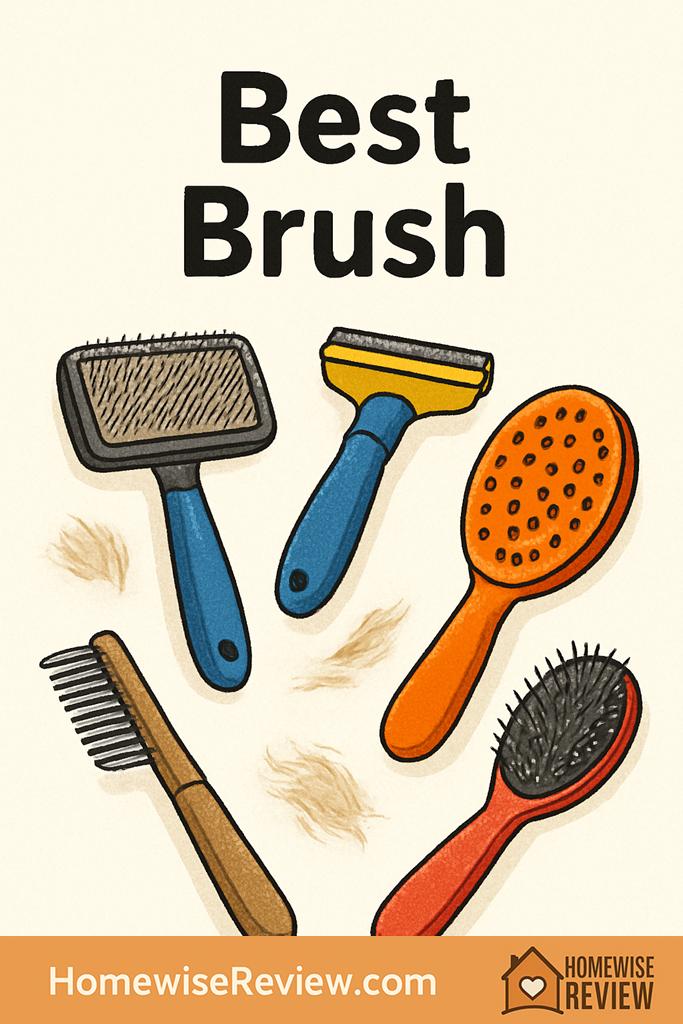
If brushing feels like a battle or your house is covered in fur, you probably have the wrong tool. These top brushes make grooming faster, gentler, and noticeably more effective.
In-depth Reviews
Chris Christensen Big G Slicker Brush
- Lifts loose coat quickly with fewer passes
- Glides over curves and hard-to-reach spots
- Great for keeping longer coats from packing down
- Too much pressure can irritate skin on sensitive pets
- Overkill for very short, smooth coats
FURminator Undercoat Deshedding Tool
- Removes undercoat efficiently on heavy shedders
- Cuts down shedding more than a basic brush
- Easy to clear hair off the edge mid-session
- Can cause breakage if overused or used with heavy pressure
- Not ideal for single-coat breeds or very sensitive skin
KONG ZoomGroom Brush
- Gentle feel that many brush-shy pets tolerate
- Works well during bathing to loosen shedding hair
- Good pickup of fine hair and dander on short coats
- Not strong enough for mats or thick tangles
- Less effective on long, dense coats
Safari De-Matting Comb
- Breaks up stubborn mats more effectively than a brush
- Helps you target problem spots without full-body grooming
- Useful for long coats that tangle easily
- Can pull if you rush or work too close to the skin
- Not a substitute for regular brushing
Hertzko Self Cleaning Slicker Brush
- Fast cleanup with a one-click pin release
- Good everyday de-shedding and light detangling
- Easy for beginners to use consistently
- Can struggle with thick coats or heavy matting
- Pins can feel scratchy if you press too hard
Buying Guide
Quick Care Guide: Brush Faster, Prevent “Brush Burn,” and Keep Mats From Coming Back
Keep sessions short and structured. Start with a quick hand check for hot spots, burrs, or tight tangles, then brush the easiest areas first so your pet settles in. Use light, repeated strokes instead of digging in, especially over bony areas like hips and shoulders. If you are using a slicker, aim for “just enough” pressure to lift hair, not to press pins into skin.
Use a two-tool sequence when the coat is longer. A slicker is great for separating and lifting, but it can skim over the start of a mat. When you find resistance, stop and switch to a dematting comb for that small patch, working from the outer edge of the tangle inward. Once it loosens, return to the slicker to smooth the section. This approach is usually quicker than forcing one tool to do everything, and it is noticeably kinder on your pet.
Clean the tool immediately so it stays effective. Hair packed into a brush head makes the next session take longer and can create extra tugging. Pull out hair after each use, then do a deeper wash as needed with warm water and a small amount of gentle soap. Let tools dry fully before putting them away. A clean brush glides better, removes more loose coat per pass, and reduces the temptation to press harder.
💡 Editor’s Final Thoughts
Final Verdict: If you want one brush that solves the most everyday grooming problems, the Chris Christensen Big G Slicker Brush is the top pick for how quickly it works through coat and how cleanly it lifts loose hair. Pair it with the FURminator Undercoat Deshedding Tool if shedding is your main issue and your pet has a true undercoat.
See also
For a breed-specific pick, start with our Best brush for French bulldogs guide.
- Best shampoo for doodles for curly coats that mat easily
- Best shampoo for labs to help manage that classic double-coat shed
- Best shampoo for pitbulls for short coats and sensitive skin
- Check out our Litter-Robot 4 review if you are upgrading your cat care setup
Frequently Asked Questions ▾
What type of brush is best for most dogs and cats?
For many homes, a slicker brush is the most broadly useful because it can lift loose hair while also working through light tangles. It is especially helpful for medium to long coats, fluffy cats, and mixed-breed coats that combine a soft undercoat with longer guard hairs. If your pet has a very short, smooth coat, a rubber curry brush often works better and feels gentler. For heavy shedders with an undercoat, add a dedicated deshedding tool once or twice a week.
How often should I brush my pet to control shedding?
Most pets do best with short, consistent sessions rather than marathon grooming days. For moderate shedders, brushing a few times per week usually keeps fur tumbleweeds under control. For double-coated dogs or long-haired cats, daily or near-daily brushing during seasonal sheds can make a dramatic difference. If you notice more dandruff, redness, or your pet starts avoiding the brush, reduce pressure, switch to a gentler tool, and keep sessions shorter.
Can a deshedding tool damage my pet’s coat?
It can if it is used too aggressively or too often, especially on coats that are fine, sparse, or not truly double-coated. The safest approach is to use light pressure, keep the tool moving, and limit passes over any one area. Avoid using it on irritated skin, over mats, or on very delicate areas like the belly and behind the legs. If you are seeing patchiness, dullness, or increased breakage, stop and switch to a slicker or curry brush while the coat recovers.
How do I brush out mats without hurting my dog or cat?
Start by separating the mat with your fingers and holding the hair close to the skin so you are not pulling. Use a dematting comb in small, controlled strokes from the outside edges of the mat inward, rather than trying to rip through the center. Once the mat loosens, switch to a slicker brush to tidy the area and then finish with a quick pass using a fine comb if you have one. If the mat is tight to the skin, large, or in a sensitive spot, it is often kinder and safer to have a groomer handle it.
How do I clean and maintain pet brushes so they keep working?
After each session, pull hair out of the brush head so it does not compact and reduce performance. For deeper cleaning, wash brushes in warm water with a small amount of gentle soap, then rinse thoroughly and let them dry fully before using again. Avoid soaking wooden handles for long periods, and do not store damp tools in a closed container where mildew can develop. Replacing a brush is usually worth it when pins are bent, blades are nicked, or the tool starts snagging instead of gliding.
As an Amazon Associate, we earn from qualifying purchases made through links on our site.