

Delivers effective glycolic exfoliation with a lightweight, non-greasy finish so skin feels smoother and layers well under clothing.
We may earn a small referral fee
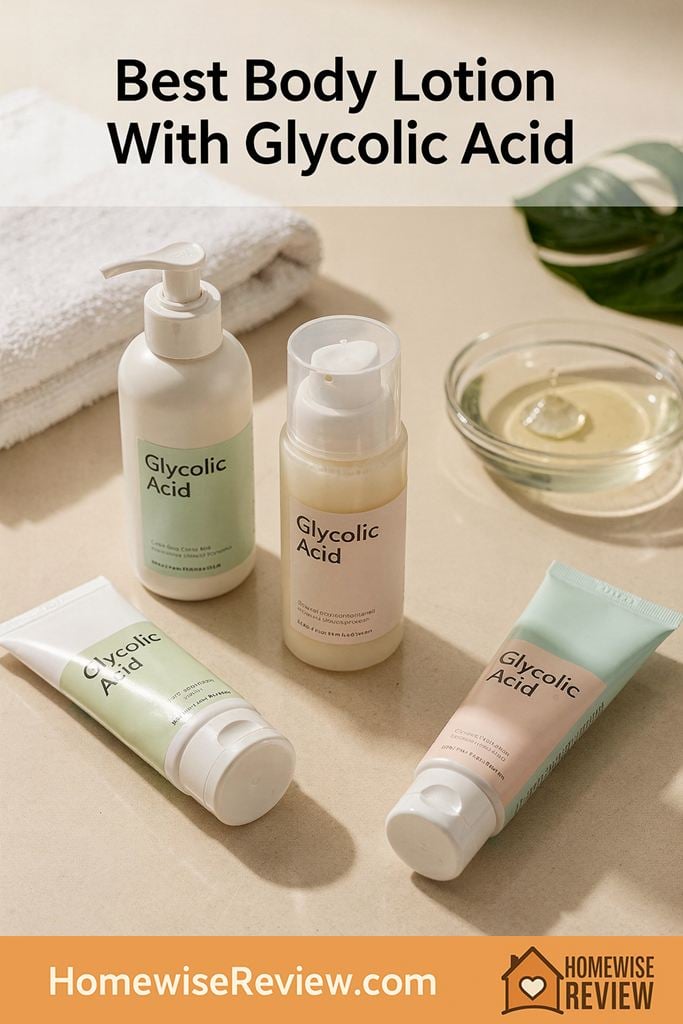
Trying to smooth rough, bumpy skin without feeling sticky, itchy, or irritated is a tall order. The right glycolic acid body lotion makes skin noticeably softer and more even, with fewer flakes and fewer bumps.
In-depth Reviews
Paula’s Choice Skin Revealing Body Lotion 10% AHA
- Smooths bumps and rough patches with a comfortable finish
- Layers well without pilling or feeling sticky
- Nice balance of exfoliation and moisture for regular use
- Can sting on freshly shaved or compromised skin
- May feel too light for very dry skin without a topper moisturizer
Alpha Skin Care Renewal Body Lotion
- Noticeable smoothing for rough, bumpy texture
- Good value for a higher-strength glycolic formula
- Absorbs well when applied in a thin layer
- Can feel strong on sensitive skin if used too often
- Not the most “luxury” texture or scent experience
NeoStrata Resurface Lotion Plus 15 AHA
- Strong resurfacing effect on stubborn rough texture
- Helps skin look smoother and more even with consistent use
- Great for thicker, tougher body areas
- Higher irritation risk if you use it too often
- Not ideal right after shaving or on reactive skin
Skinfix Resurface+ AHA Renewing Body Cream
- Richer cream feel that supports dryness alongside exfoliation
- More comfortable for frequent use than many treatment lotions
- Leaves skin feeling cushioned, not squeaky
- May feel too rich for very humid weather or oily skin
- Cream texture can take a little longer to fully sink in
Buying Guide
Quick Care Guide: The “No-Surprises” Glycolic Routine
Make it boring on purpose. On glycolic nights, keep everything else simple: a gentle body wash, pat dry, apply glycolic lotion, then stop. If you need extra comfort, layer a plain, fragrance-free moisturizer on top after the glycolic has settled for a few minutes.
Time it around shaving. If you shave your legs or underarms, try this rhythm: shave day equals gentle moisturizer only, then glycolic the next night. That one small change can dramatically reduce stinging and redness while still helping with ingrowns over time.
Choose your “zones.” You do not have to use glycolic everywhere. Many people get the best results by focusing on outer arms, thighs, legs, elbows, and knees and leaving delicate areas alone. It saves product, lowers irritation, and still delivers the smooth-skin payoff.
💡 Editor’s Final Thoughts
Final Verdict: Paula’s Choice Skin Revealing Body Lotion 10% AHA is my top pick because it delivers reliable smoothing and brightening without feeling heavy or fussy to use. If you want a stronger, faster-acting option and your skin tolerates acids well, NeoStrata Resurface Lotion Plus 15 AHA is the step-up choice.
What makes a glycolic acid body lotion worth buying?
Glycolic acid is an AHA exfoliant that helps lift built-up dead skin so rough texture looks smoother and tone looks more even over time. In a body lotion, it can be a game-changer for keratosis pilaris, “strawberry legs,” ingrown-prone areas, and that stubborn dry texture on elbows and knees, but only if the formula is balanced.
- A clear strength and purpose: Stronger formulas can work faster, but they are easier to overdo, especially if you are also using scrubs, retinoids, or fragranced body products.
- A supportive base: Look for moisturizing ingredients that keep the skin barrier comfortable, like glycerin, ceramides, squalane, shea butter, or soothing humectants. A great exfoliant in a drying base tends to backfire.
- Low-irritation details: Fragrance-free (or very lightly scented), a non-greasy finish, and packaging that makes it easy to apply consistently without mess.
- Realistic expectations: Glycolic helps texture and surface dullness. For deeper discoloration or persistent body acne, you may need to pair it thoughtfully with other actives on alternating nights.
How to use glycolic acid body lotion without overdoing it
Start slower than you think you need. Most irritation comes from doing “every night everywhere” too soon. Begin with a few nights per week, then increase as your skin proves it can handle it comfortably.
- Apply to dry skin. Right after a shower is fine, but pat fully dry first. Damp skin can make acids feel stronger.
- Use a thin, even layer. You are not frosting a cake. A consistent, light layer works better than a heavy application that never fully sinks in.
- Avoid freshly shaved areas at first. If you shave, try applying glycolic lotion the next day, not immediately after shaving, until you know your tolerance.
- Spot-treat sensitive zones. If your chest, neck, or inner arms get reactive, keep glycolic to tougher areas like legs, outer arms, elbows, knees, and feet.
- Use sunscreen on exposed skin. AHAs can increase sun sensitivity. If your arms or legs will be in the sun, SPF is part of the routine.
Ingredients that pair well (and ones to separate)
Pairs well: barrier-supporting moisturizers (ceramides, fatty acids), glycerin, hyaluronic acid, niacinamide, and gentle occlusives can make glycolic easier to use consistently. If you are prone to dryness, layering a plain, fragrance-free body cream over your glycolic lotion can help you get the smoothing benefits without the tight feeling.
Use caution mixing: avoid stacking multiple strong actives in the same session until you know your skin. If you also use retinoids, benzoyl peroxide, or other exfoliating acids, alternate nights or separate by time of day. For many people, the simplest approach is “exfoliation nights” and “recovery nights.”
Where glycolic body lotion tends to shine
- Outer arms and thighs: helps with rough, bumpy texture that looks like tiny plugs.
- Legs: improves flaky dryness and can make shaving feel smoother over time.
- Elbows, knees, ankles: softens thick, dull patches that regular lotion barely touches.
- Ingrown-prone areas: can help keep pores clearer so hairs are less likely to get trapped, especially when paired with good shaving habits.
See also
For a simple, no-fuss routine you can actually stick with, start at our everyday body care hub and then compare options in our best body lotion for glowing skin guide.
- Best body lotion with hyaluronic acid
- AmLactin Daily Moisturizing Lotion review for rough skin
- Best body cream for aging skin
Frequently Asked Questions ▾
How often should I use a glycolic acid body lotion?
Most people do best starting 2 to 3 nights per week, then increasing only if skin stays comfortable. If you notice stinging, tightness, extra dryness, or redness, scale back and add a plain moisturizer on off nights. Consistency beats intensity here. A steady routine over several weeks usually gives better texture results than going too hard for a week and then having to stop.
Can I use glycolic acid lotion and a retinol body product together?
It is possible, but combining them in the same application is where many people get irritated. A safer plan is alternating nights, for example glycolic on Monday, Wednesday, Friday and retinol on the other nights. If you are new to either active, introduce one first, get stable, then add the second. If your skin is getting dry, “recovery nights” with a simple fragrance-free moisturizer can keep you on track.
Will glycolic acid help keratosis pilaris and “strawberry legs”?
Often, yes. Glycolic acid helps loosen the dead-skin buildup that can make KP feel rough and make follicles look more noticeable on the legs. It also supports smoother shaving by reducing surface buildup. That said, some KP responds better to other exfoliants like lactic acid or urea, and many people need a combination of gentle exfoliation plus consistent moisturizing for the best results.
Is glycolic acid body lotion safe to use in summer?
Yes, as long as you treat sun protection as part of the deal. AHAs can make skin more sun-sensitive, so if you use glycolic on areas that will be exposed, apply a broad-spectrum sunscreen during the day and reapply as needed. If you are spending a lot of time outdoors, consider using glycolic mainly at night and keeping daytime body care simple and protective.
What if my skin is sensitive or I have eczema?
If you are very sensitive or eczema-prone, proceed carefully. Patch test, start with less frequent use, and avoid applying on active flares or broken skin. Choose formulas that are fragrance-free and barrier-supportive, and keep a plain moisturizer in the routine to prevent dryness. If you are unsure, or if you get persistent burning or rash, it is worth checking with a dermatologist before pushing forward.
As an Amazon Associate, we earn from qualifying purchases made through links on our site.