

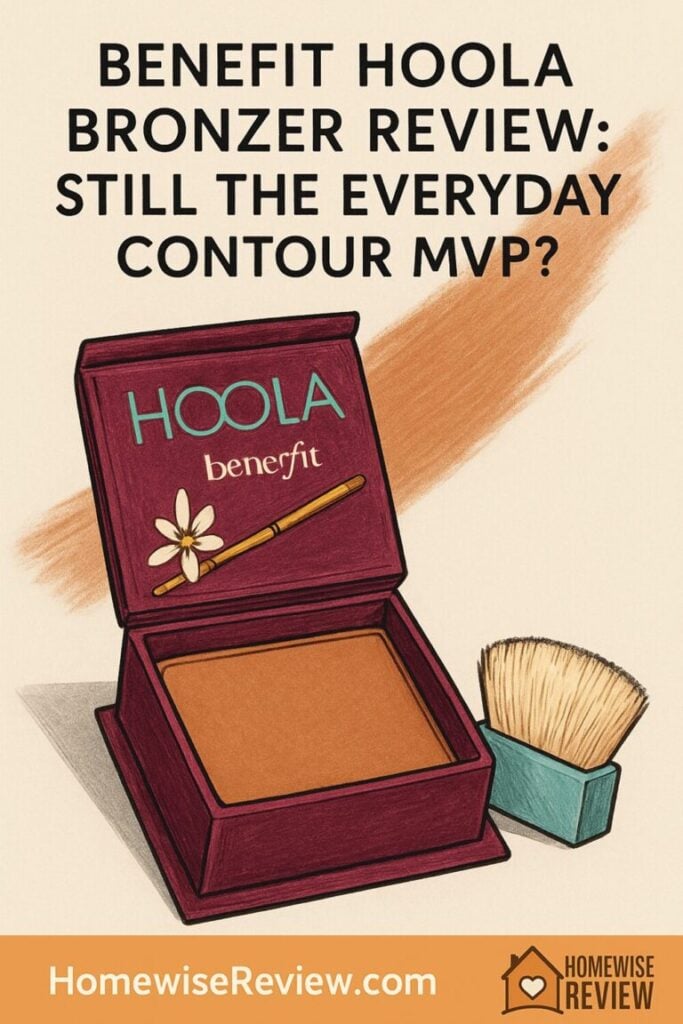
Is Benefit Hoola still the most reliable everyday contour? We put the classic matte bronzer through real-life tests to see how it blends, wears, and stacks up to newer formulas.
Few powders have earned lifetime status in as many makeup bags as Benefit’s Hoola Bronzer. For years, its soft-matte, neutral warmth made everyday contouring almost foolproof. But with the explosion of creamy sticks, ultra-finely milled powders, and undertone-specific contour shades, it is fair to ask if Hoola still earns its MVP badge. Short answer: for many people, yes. If you want a no-shimmer bronzer that doubles as a subtle contour and just works with minimal fuss, Hoola remains a safe, flattering choice. There are caveats, and shade and technique matter, but the core formula still delivers.
🆕 2026 Product Update
In 2026, Benefit Hoola Bronzer still holds up as a dependable matte powder for everyday warmth and soft sculpting, especially if you prefer a buildable payoff over instant intensity. The expanded shade lineup makes it easier to find a closer match, though undertone choice matters more now that cooler, more contour-specific powders and cream options are widely available. If you want a no-shimmer bronzer that blends quickly and wears well without fuss, it remains an easy recommendation; just consider using a fluffier brush than the included one for the most natural finish.
Overview
Benefit Hoola is a pressed powder bronzer with a matte finish and a neutral-to-warm undertone. It is designed to add sun-kissed warmth, define cheekbones, and softly sculpt without any sparkle. The formula is buildable rather than ultra-pigmented in one swipe, which helps prevent harsh lines. Hoola comes in multiple shades so more skin tones can find a match:
- Hoola Lite: best for fair to light skin that wants very soft warmth and a subtle contour.
- Original Hoola: the classic neutral bronze for light to medium skin and a wide range of undertones.
- Hoola Caramel: warmer depth for tan to medium-deep skin or for a stronger bronze on medium tones.
- Hoola Toasted: the deepest option, designed for deep skin tones or dramatic warmth on medium-deep.
The powder is housed in Benefit’s signature square box with a flip-top lid, a small mirror, and a flat brush. The included brush can carve a crisp line, though most users will prefer a softer, fluffy brush for blending. The packaging is compact and fun, though the cardboard can show wear in a makeup bag over time.
Who it’s for
Hoola suits anyone who prefers a matte, believable bronze that can double as a daytime contour. If you like a no-shimmer finish that looks like natural shadow, Hoola’s undertone and buildable payoff make it friendly for office, school drop-off, and date-night alike. It is especially helpful if you want one powder to do both bronzing and soft sculpting without switching products.
You will likely love Hoola if you:
- Have light to medium-deep skin and want a neutral bronzer that will not read overly orange.
- Prefer a classic powder that is easy to blend and hard to overdo.
- Do quick makeup and need a product that behaves predictably with different foundations.
You might want to look elsewhere if you:
- Crave a dewy, creamy finish or love luminous bronzers with visible radiance.
- Have very cool or olive undertones and need a specifically cool-toned contour for realistic shadow.
- Struggle with very dry patches and find mattes can emphasize texture unless skin is well prepped.
How it feels and performs
Texture and payoff: The powder feels silky and slightly dry to the touch, which translates to controlled pickup on the brush. Pigment builds in thin layers rather than laying down a heavy stripe on first contact. That makes it beginner friendly and less likely to go patchy when you blend. There is no shimmer or sheen, and there is no noticeable fragrance.
Blendability: Hoola blends quickly without much effort, especially over set foundation. The formula diffuses well with both natural and synthetic brushes. On bare or tacky bases, it can grab a bit, so a light veil of setting powder or fully setting your base first helps the powder glide.
Finish: The finish is matte yet skinlike, not flat. Because there is no sparkle, Hoola reads as believable shadow in the hollows of the cheeks and along the jaw. It can also warm the perimeter of the face without catching light in unwanted areas, which is helpful for textured or oily skin.
Wear time: On normal to combination skin, expect 8 to 10 hours before soft fading. On oily skin that breaks down makeup quickly, Hoola typically holds 6 to 8 hours with some fading around the nose and chin. Pairing it with a primer and setting spray, and setting your base before bronzer, noticeably extends wear. On drier skin, it lasts well but can emphasize dry patches if skin is not moisturized first.
Undertone and realism: Original Hoola leans neutral-warm. It is not the grayish taupe of true contour powders, but it rarely goes orange on light to medium skin with neutral or warm undertones. Hoola Lite offers the gentlest warmth for very fair skin. Caramel and Toasted bring depth for medium-deep and deep skin tones while still avoiding obvious redness or orange overload. If you are very cool-toned, you may prefer a cooler sculpting shade just for cheekbones and keep Hoola for bronzing the perimeter.
Oxidation and flash: In most routines, Hoola keeps its undertone and does not noticeably oxidize. Since it is matte and shimmer free, it does not bounce light back in flash photos, which helps contours look natural in pictures.
How to use for best results
Pick the right shade: For fair to light skin, start with Hoola Lite. For light to medium, the original Hoola is the default. For tan to medium-deep, try Hoola Caramel. For deep skin, Hoola Toasted gives shape and believable warmth. When in doubt between two, choose the lighter shade for contour beginners because it will be easier to build without streaks.
Prep the base: Moisturize, then apply your foundation or tinted moisturizer. Set with a sheer layer of translucent powder, especially on the areas where you will place bronzer. This step minimizes grabbing and maximizes smooth blending. If you are dry, set only lightly on the cheek area and leave the rest dewy.
Tools that help:
- For bronzing: a medium fluffy bronzer brush or a large domed powder brush.
- For contour: a smaller, softly angled brush to target under the cheekbone and sides of the forehead.
- For fine tuning: a small fluffy eyeshadow brush for nose and eyelid definition.
Placement for bronzing: Sweep a light layer along the hairline, temples, tops of the cheeks, and under the jaw in a soft “3” shape on each side of the face. Keep color slightly higher on the cheek for lift.
Placement for contour: Use the angled brush to tap color just under the cheekbone, starting near the ear and moving forward with a light hand. Blend upward, not downward, to avoid dragging the face. Hit the temples and a touch under the jawline if desired. The included flat brush can sketch a crisp line under the cheekbone; immediately soften that line with a fluffy brush to avoid a stripe.
Layering with creams: If you prefer a creamy base, apply cream products first, set with a whisper of powder, then apply Hoola. Alternatively, you can use Hoola as a setting step over a sheer cream bronzer for dimensional warmth that lasts all day.
For mature or textured skin: Use a soft brush and the lightest pressure. Tap off excess, then stipple and gently feather. Keep bronzer out of areas with pronounced texture. A hydrating setting mist at the end helps powders mesh with skin.
Quick fixes: If you overdid it, buff with your clean foundation brush or a bit of translucent powder. If edges look muddy, re-establish your cheek highlight with a touch of setting powder just above the contour.
Pros and cons
- Pros
- Matte, shimmer-free finish that reads like real shadow in photos and daylight.
- Buildable pigment that is hard to overdo, great for beginners and quick routines.
- Neutral-to-warm undertone works as both soft contour and bronzer on many skin tones.
- Blends easily over set foundation and plays well with most bases.
- Shade range now spans fair to deep, improving inclusivity.
- Cons
- Not a true cool-toned contour, which some undertones need for maximum realism.
- Matte finish can emphasize dry patches if skin is not prepped.
- Cardboard box packaging can scuff and the small mirror is not very practical.
- Included brush is stiff for blending and better for sketching than finishing.
Final verdict
Is Benefit Hoola Bronzer still the everyday contour MVP? For a wide range of people, yes. The formula’s quiet strengths remain the same: a silky, buildable matte that blends with minimal effort, delivers believable warmth, and doubles as soft contour without sparkle. It is the kind of product you can throw on in two minutes and trust to look right in daylight, on camera, and at the end of the workday.
Where it shows its age is in the details some shoppers now prioritize. If you want a dewy, seamless cream finish, Hoola is not that. If you need a cool-toned sculpting powder to carve dramatic cheekbones, Hoola’s neutral warmth will not replace a true contour shade. The packaging is charming but not the most durable. Those trade-offs aside, the core experience still holds up. If you have been missing an easy, matte bronzer that refuses to streak and flatters most neutral and warm undertones, Hoola remains a smart, reliable buy.
See also
If you are choosing a sculpting shade and want more options by undertone and depth, our guide to the Best Bronzer for Contouring breaks down finishes, shades, and brush pairings. For a softer, creamy-feel powder that many people compare to Hoola, see our hands-on Physicians Formula Murumuru Butter Bronzer Review, which covers texture, scent, and shade matching.
If your priorities are skin-friendly formulas or aging concerns, our editors tested hydrating and low-irritation picks in Best Bronzer for Sensitive Skin and found texture-smoothing favorites in Best Bronzers for Mature Skin. And if you like pairing bronzer with a fast, matte base, check out the complexion combos in Best Drugstore Powder Foundations: Smooth Coverage on a Budget.
FAQ
Which Benefit Hoola shade is best for contouring versus bronzing?
For fair to light skin, use Hoola Lite to contour and bronze without obvious stripes. For light to medium, original Hoola can do both, leaning slightly warmer for bronzing and still neutral enough to softly sculpt. For tan to medium-deep, Hoola Caramel adds warmth and can contour if your undertone is warm or neutral. For deep skin, Hoola Toasted gives definition and allover warmth. If you want a sharper, more shadow-like contour on any skin tone, consider pairing Hoola with a cooler sculpting powder just under the cheekbone, then use Hoola to warm the perimeter.
Does Hoola work on mature or textured skin without looking dry?
Yes, as long as you prep. Moisturize well, let skincare absorb, then apply your base and lightly set before Hoola. Use a soft, fluffy brush with the lightest pressure and focus color on areas of natural shadow while keeping it off emphasized texture. A hydrating setting mist at the end helps powders melt into skin so the matte finish looks skinlike rather than flat.
How can I make Hoola last longer on oily skin?
Set your foundation with a thin veil of translucent powder before bronzer so Hoola has a smooth surface to grip. Use a primer that controls oil in areas that break down makeup quickly, like the T-zone. Apply Hoola in two light layers instead of one heavy sweep, then finish with a setting spray. These steps typically stretch wear from about 6 hours to 8 or more on oily skin.
Will Hoola look orange or muddy on cool undertones?
Original Hoola leans neutral-warm, so on very cool undertones it can read a touch warm as a contour. If you are cool-toned, use Hoola primarily to bronze the perimeter and choose a cooler sculpting shade for cheekbones. Avoid overloading the brush, and blend upward rather than downward to prevent muddiness. If a spot looks heavy, soften it with your clean foundation brush or a dab of translucent powder.
How does Hoola compare to Butter Bronzer for everyday wear?
Hoola is matte, unscented, and slightly drier to the touch with a classic powder feel that resists shine and photographs well. Butter Bronzer feels creamier with a satin-skin finish and a noticeable tropical scent. If you want true matte and a neutral bronze that doubles as contour, Hoola is the safer bet. If you prefer a softer, glow-leaning finish and enjoy scented makeup, Butter Bronzer may be more your style.
As an Amazon Associate, we earn from qualifying purchases made through links on our site.