

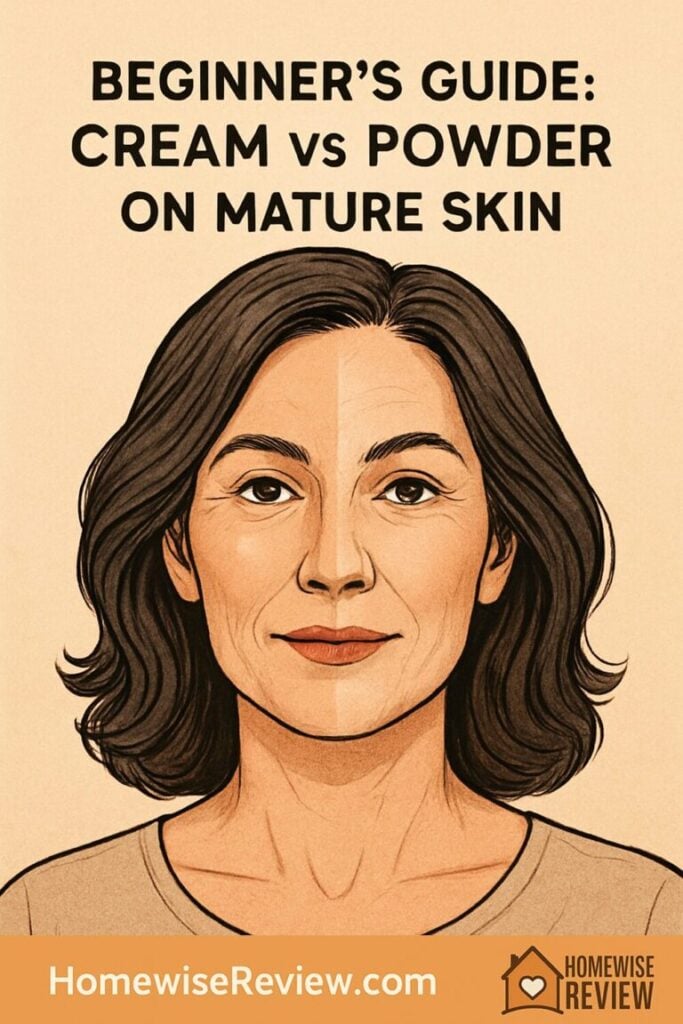
Struggling to choose between cream and powder makeup as your skin changes with age? Learn how to pick and apply the right formulas so your makeup looks smooth, fresh, and flattering all day.
Cream or powder? If you are working with fine lines, dryness, or texture, the formulas you choose matter just as much as the shades. Understanding how cream and powder products behave on mature skin makes it much easier to get that soft, natural, lifted look without caking or creasing.
Why cream vs powder matters on mature skin
As we age, skin usually becomes drier, thinner, and a bit less bouncy. You may notice more fine lines, enlarged pores, or spots where makeup collects. Products that once looked airbrushed can suddenly sit on top of the skin or emphasize every line.
Cream and powder formulas interact with those changes in different ways. Creams tend to move with the skin and add glow, which can be very flattering. Powders can help with shine and longevity, but the wrong textures can grab onto dry patches and settle into lines. The goal is not to pick a side forever, but to learn where each type shines and how to use them together.
Cream vs powder: how the formulas really differ
How they sit on the skin
Cream products contain oils, emollients, or waxes that help them melt into the skin. On mature skin, this usually means a smoother, more forgiving finish that does not highlight dryness or texture as much. Creams are especially kind to areas with fine lines, such as under the eyes and around the mouth.
Powder products rely on pigments and finely milled particles that sit more on the surface. A silky, modern powder can blur pores and control shine, but a dry or heavy one can cling to uneven texture and make skin look older. The drier your skin is, the more careful you need to be with powder placement and amount.
Finish and coverage
Creams usually give a natural skin-like or dewy finish. They are great when you want freshness and flexibility, and they layer well for light to medium coverage. If you like a subtle, second-skin look that moves with you, creams are often more forgiving on mature faces.
Powders range from sheer and luminous to matte and full coverage. Sheer or satin powders can look beautiful on mature skin, especially on normal to combination types. Very matte or full-coverage powders, though, can quickly look flat, dry, and chalky on fine lines and textured areas.
Wear time and touch ups
Creams can feel more comfortable all day, but they may slip in hot weather or on oilier areas. They are easy to tap back into place or refresh with fingers or a sponge. On very oily spots, creams alone may not last until evening.
Powders generally help lock things in and control shine. A light dusting can extend the wear of cream products without making them look heavy. Too much powder, or touching up repeatedly with powder, can create a thick, cakey layer that emphasizes lines and dryness.
Quick decision guide: where to start
Use this simple framework to decide whether to lean cream, powder, or a mix for your daily routine.
- If your skin is dry, dehydrated, or thin: Start with mostly cream products, plus a very light amount of powder only where you need to set or reduce shine.
- If your skin is combination: Try cream products on the drier parts of the face (usually cheeks) and a soft powder on oilier areas like the T-zone.
- If your skin is oily: You can still use creams, but choose longer-wear formulas and pair them with powder on top. Or use powder for base and blush, then add a small amount of cream highlight for glow.
- If texture and fine lines are your main concern: Favor creams for foundation, concealer, blush, and highlight. Use powder sparingly with a very soft brush, focusing only where product tends to migrate.
Best formula types by product on mature skin
Foundation and base products
For most mature faces, cream or liquid foundation is the easiest place to start. These formulas hydrate, reflect light softly, and flex with facial expressions. Look for light to medium coverage with a natural or satin finish rather than heavy matte or ultra dewy.
If you prefer a lighter base, a tinted moisturizer or CC cream can even out tone without collecting in lines as easily. Choose hydrating formulas and apply in thin layers, only where you really need coverage.
Powder foundation can work for mature skin that leans normal to oily, as long as the powder is finely milled and not overly matte. Apply it in sheer layers and avoid piling it on top of a heavy cream base.
Concealer
Under the eyes and around the mouth, creams usually win. A hydrating creamy concealer will flex with expression and is much less likely to look crepey. Choose a lightweight texture and apply sparingly, just where needed, then tap with a fingertip or damp sponge to blend.
Powder concealers tend to look dry and are rarely the best choice on mature under eyes. If you need to set concealer, use the tiniest amount of a very fine powder on a small brush and only where the concealer creases, not across the entire under eye.
Blush and bronzer
Cream blush is often a game changer on mature skin. It melts into the skin for a soft flush that mimics a natural glow instead of sitting on top as a powdery layer. Cream bronzers can also sculpt gently without leaving a harsh line.
Powder blush and bronzer can still look lovely, especially if they have a satin or luminous finish rather than flat matte. On drier or textured cheeks, apply creams first, then tap a sheer veil of powder blush or bronzer on top if you want extra color and longevity.
Highlighter
For most mature faces, cream or liquid highlighters are safer than intense powder shimmers. A subtle cream highlight on the tops of the cheekbones adds healthy radiance without spotlighting texture. Apply with fingers and avoid areas with strong lines, like crow’s feet.
Powder highlighters can emphasize pores and fine lines if they are too shimmery or metallic. If you use one, choose a soft, finely milled, low-shimmer formula and apply very lightly.
Eyeshadow and liner
On the lids, texture and oil level matter. Cream or stick shadows can be wonderful if your lids are dry or crepey, because they smooth and add sheen without flaking. Always use a small amount and blend quickly before they set.
For oily lids, a powder shadow over a good primer usually lasts longer and creases less. Choose satin finishes over very frosty or glittery formulas, which can draw attention to texture. Gel or pencil liners, which are technically creams, often glide better over mature lids than very dry pencil or hard powder liners.
Brows and lips
Brows tend to thin with age, so softer textures are your friend. Powder brow products give a gentle, natural shadow that looks less harsh than very creamy, opaque pencils. However, a tinted brow gel can add both color and hold for sparse hairs.
On lips, mature skin usually prefers creamy or satin lipsticks and balmy tints rather than very dry matte bullets. If you like longer wear, you can lightly tap a bit of translucent powder through tissue over the top to set, instead of starting with a fully matte formula.
How to apply cream products on mature skin
Start with well moisturized skin so creams glide instead of tugging. A hydrating moisturizer and, if you like, a smoothing primer can help blur texture and give creams something to grip.
Apply creams in thin layers. For foundation or tinted moisturizer, dot a small amount on the center of the face, then blend outward with fingers, a damp sponge, or a soft brush. Focus coverage on redness or discoloration and leave the outer edges of the face lighter for a fresher look.
For cream blush, smile gently and place color high on the apples of the cheeks, lifting slightly toward the temples. Tap rather than rub to avoid moving your base. The same tap-and-press motion works for cream bronzer and highlighter.
To prevent slippage, give creams a minute to settle before adding anything on top. If you want more coverage, layer another thin veil rather than one thick coat, which is more likely to crease.
How to apply powder products on mature skin
Good prep is essential. On mature skin, powder should be the light finishing touch, not the main texture you see. Make sure skin is hydrated and your cream products are blended and slightly set before you reach for powder.
Choose brushes with soft, fluffy bristles. Dense brushes put down too much product in one spot, which can look heavy. Pick up a small amount of powder, tap off excess, then press or roll the brush on the skin rather than sweeping aggressively.
Target only the areas that truly need powder. Common spots include the sides of the nose, smile lines where foundation creases, and the center of the forehead. Leave the high points of the cheeks and areas with more lines as luminous as possible to keep the face looking fresh and dimensional.
If you need to touch up during the day, first blot away excess oil with a tissue. Then add a whisper of powder only where shine has broken through, instead of repeatedly layering powder across the whole face.
Combining cream and powder without caking
Cream and powder can play very well together if you follow one key rule: creams first, powders last. Applying powder under or in between creams often leads to pilling, patchiness, or streaks.
A simple order that works for most mature skin is: skincare, primer if you use one, cream or liquid foundation, concealer, cream blush or bronzer, then a small amount of setting powder where needed. You can finish with a light misting of hydrating setting spray to melt layers together and take down any powdery look.
If you like both cream and powder blush, start with a sheer layer of cream, then, once it has set slightly, add a tiny amount of powder blush to the very tops of the cheeks. This locks in the color without building a thick layer that settles into lines.
Common mistakes and easy fixes
- Using heavy, matte products everywhere: These can exaggerate texture. Switch to lighter, hydrating creams for most of the face and keep matte powder just for shine control.
- Applying too much product at once: Thick layers crease faster. Build in thin, sheer passes and stop when your skin looks even, not masked.
- Powdering the whole face automatically: Instead, powder only where you crease or get oily. Leaving some shine on the high points keeps skin looking alive.
- Skipping prep on dry or rough areas: Take an extra moment to pat in eye cream under the eyes and moisturizer on flaky patches before makeup. Products sit much better on a smooth surface.
- Using the same technique as in your 20s: Mature skin often needs gentler tools and motions. Try tapping and pressing with fingers or a sponge instead of dragging brushes over the skin.
See also
If you decide powder formulas suit you, our guide to setting powders for mature skin and our picks for powder foundations for mature skin can help you choose gentle, non-cakey options.
- Explore the best hydrating concealers for mature under eyes to pair with cream or powder bases.
- Prep your canvas with our guide to primers for mature skin that smooth without drying.
- Add a flattering flush with our top cream blushes for dry, mature skin.
FAQ
Is cream or powder foundation better for everyday makeup on mature skin?
For most people with mature skin, a light to medium coverage cream or liquid foundation is the easiest and most flattering for everyday wear. It tends to hydrate, move with your expressions, and blur texture instead of exaggerating it. If you are very oily, you might prefer a sheer powder foundation on top of well prepped skin, but try to keep the finish soft and use powder sparingly.
Can I use powder blush if I already have cream foundation on my mature skin?
Yes, you can use powder blush over cream foundation, as long as you follow a few steps. Make sure your cream foundation is well blended and has had a minute to settle, then apply a very light dusting of translucent powder to set the area before adding powder blush. This prevents the blush from grabbing in patches and helps it blend smoothly over the cream base.
What type of product should a beginner over 50 try first, cream or powder?
If you are starting fresh, a beginner-friendly choice is a hydrating cream or liquid base and a cream blush. These two products alone can even out your complexion and add healthy color without needing advanced blending skills. Once you are comfortable, you can add a small amount of translucent powder where you crease or get oily, then experiment with powders for extra longevity.
How do I stop cream products from settling into fine lines during the day?
First, use less product than you think you need and focus it only where you want coverage or color. After applying cream foundation or concealer, gently tap a clean fingertip or damp sponge over lines to lift any excess before it sets. Then place a tiny amount of fine setting powder only directly over the areas that crease, such as smile lines or under the eyes, to lock the cream in place without drying the whole face.
Do cream or powder products work better for mature skin in hot, humid weather?
In hot, humid weather, a flexible mix usually works best. You can still use hydrating creams or liquids for comfort and a natural finish, but choose longer-wearing formulas and set key areas with a light layer of powder. Concentrate powder on the T-zone and anywhere makeup tends to break down, and keep cheeks and high points fresher with creams so your skin does not look dry or over-powdered.
As an Amazon Associate, we earn from qualifying purchases made through links on our site.