Mascaras That Get Complaints About Flaking: Version Checks

Check exact mascara versions, dated wearer accounts and current application and removal instructions without assuming a lowest-flaking winner.

Gather • Grow • Give
Gather • Grow • Give

Check exact mascara versions, dated wearer accounts and current application and removal instructions without assuming a lowest-flaking winner.
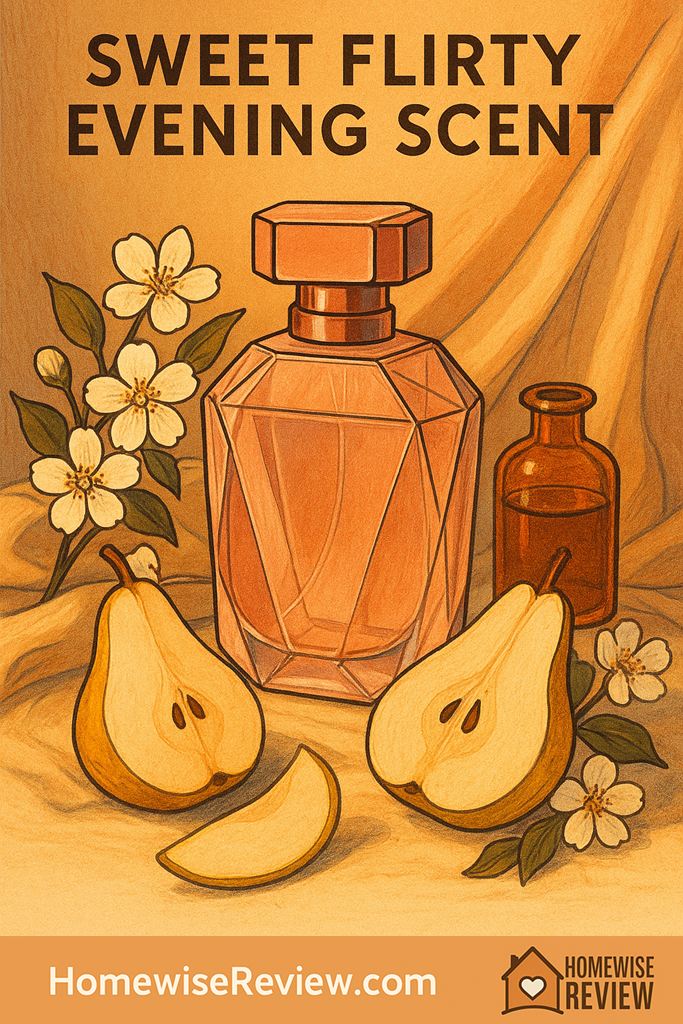
Check Guess Seductive Women’s documented notes and bottle identity, distinguish Noir and other named perfumes, and understand the limits of wear-time claims.

Check sunscreen versions, attributable white-cast reports and label directions before choosing a finish you can wear.

Check the Mugwort Essence bottle, ingredient disclosure and applicable directions before relying on broad soothing claims.
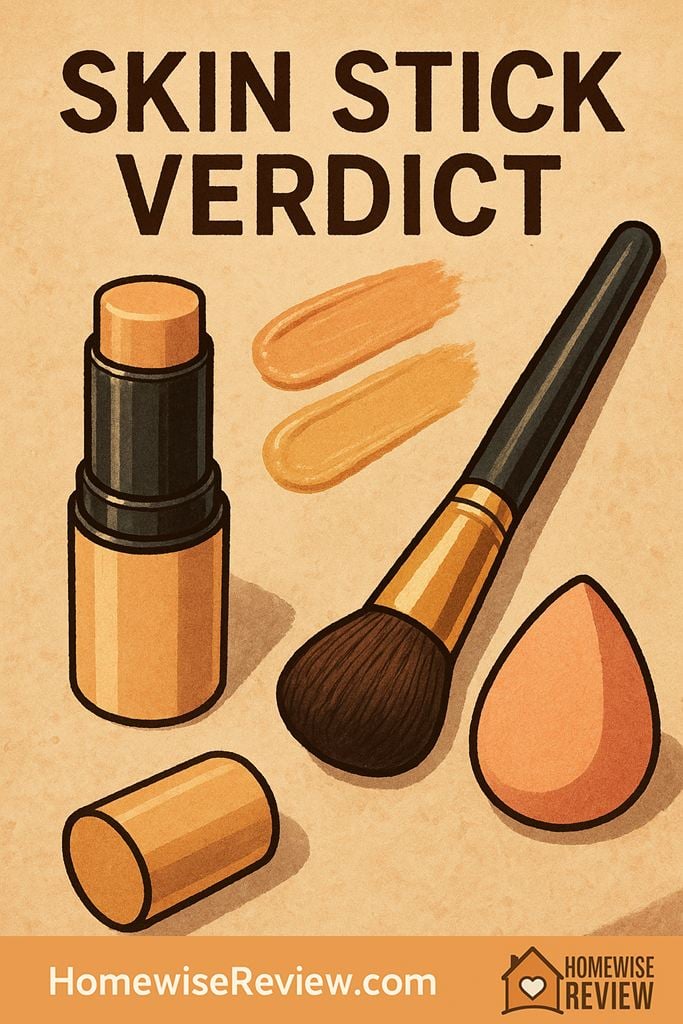
Check Westman Atelier’s exact shade, formula and maker application guidance, with clear limits on skin-type, wear and alternative-product claims.

Match waterproof mascara labels, reported removal difficulties and the warm-water alternative to a routine you can follow.

Check Biolage Hydrasource Conditioning Balm’s exact label, rinse-out directions and system claims, with clear limits on formula, feel and alternative-product comparisons.
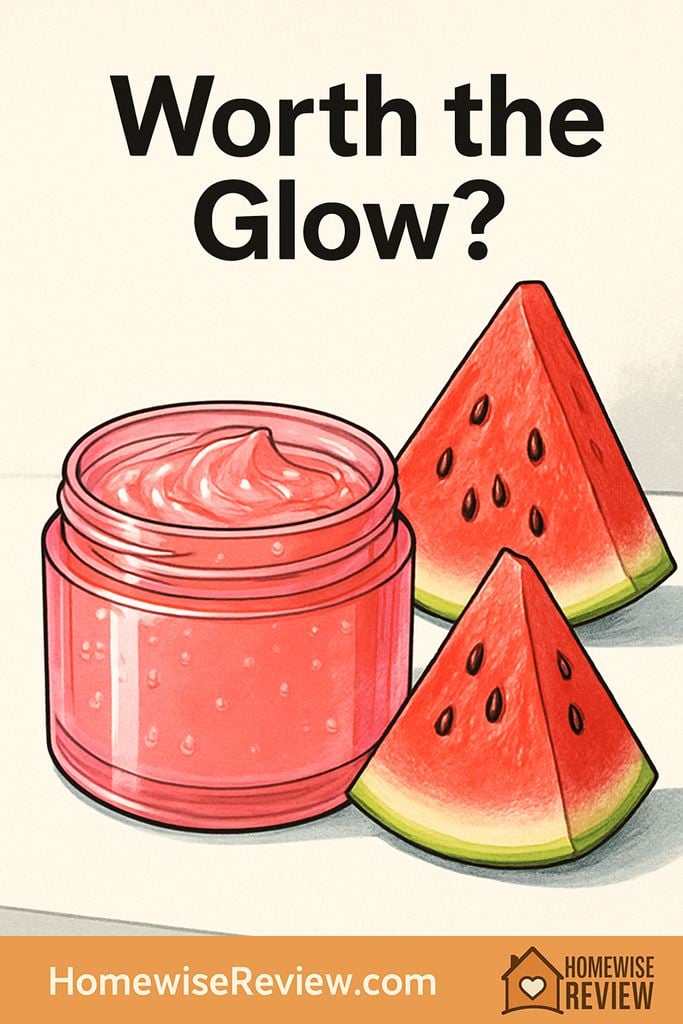
An honest review of Glow Recipe Watermelon Glow AHA Night Treatment, including texture, results, irritation risk, and whether the premium formula is worth it.
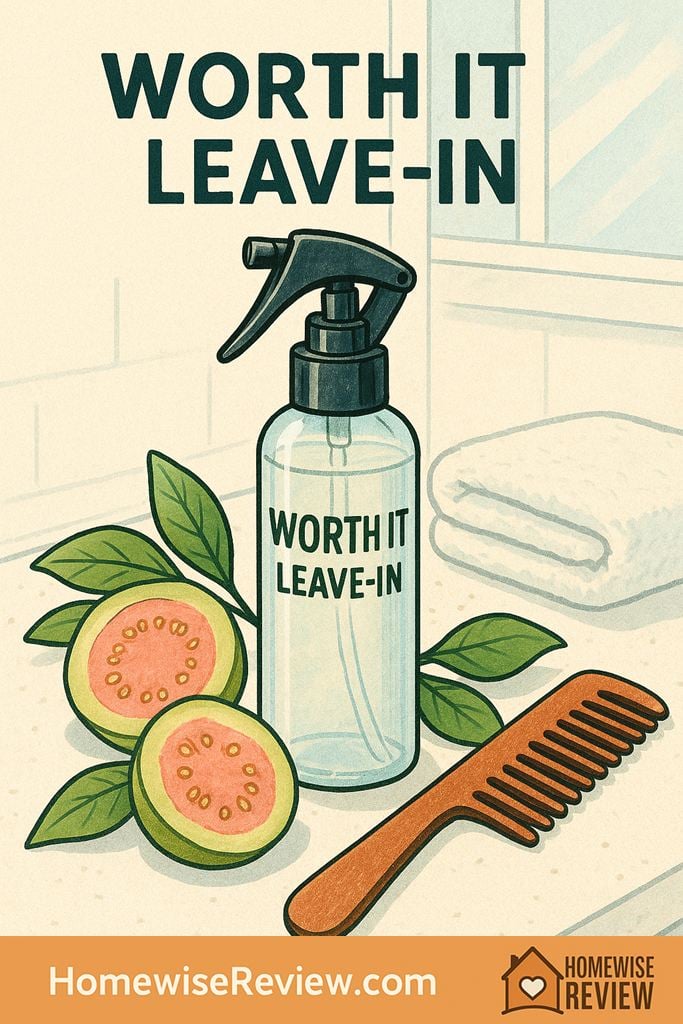
Check Ceremonia Guava Rescue Spray’s label, directions and conflicting heat-protection temperatures, with clear limits on hair results and alternative-product claims.
Check the label, shade and intended use before choosing e.l.f. Halo Glow Liquid Filter.