

Strengthens mid-length strands to reduce snap and smooths rough, tangling medium-to-thick hair—fewer broken bits in the brush and drain.
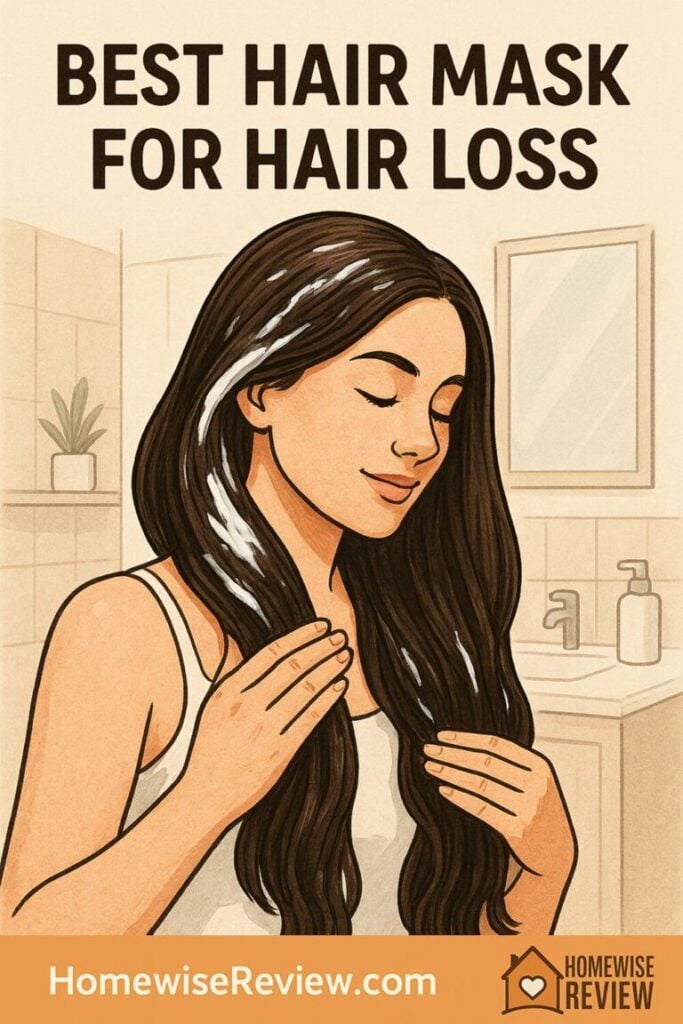
Seeing extra hair in the shower or on your brush is scary, but the right hair mask can cut breakage and give thinning hair a real second chance.
Seeing more hair in the shower or on your brush can make you panic. While no mask can cure medical hair loss, the right formula can reduce breakage, nourish your scalp, and help your hair look noticeably fuller and stronger.
This guide focuses on hair masks that target the most common non medical causes of hair loss: dryness, damage, and breakage from coloring, heat, and tight styles. You will find quick picks plus deeper reviews so you can match a mask to your hair type, concerns, and budget.
✨ 2026 Spotlight
2026 Spotlight: A few newer formulas deserve a look alongside our core picks, especially Vegamour HYDR-8 Deep Moisture Repair Mask for lightweight hydration on fragile strands and Fable & Mane HoliRoots Repairing Hair Mask for richer conditioning that helps limit breakage from brushing and heat styling. If your hair is color-treated or chemically processed, Olaplex No. 8 Bond Intense Moisture Mask continues to stand out for adding softness and bounce without leaving fine hair overly coated. For anyone focused on scalp comfort as well as stronger lengths, masks pairing peptides, rosemary, or bond-building technology are getting the most attention in 2026.
Quick picks
- Kérastase Genesis Masque Reconstituant – Best overall for breakage related hair fall. A rich, smoothing mask for medium to thick hair that snaps easily when you brush or style. It focuses on reinforcing the fiber so fewer strands break mid length.
- Briogeo Don’t Despair, Repair! Deep Conditioning Mask – Best clean, hydrating mask for dry shedding hair. Silicone free and color safe, it softens rough lengths and reduces breakage without feeling greasy, even on finer hair.
- K18 Leave-In Molecular Repair Hair Mask – Best for bleach, color, and heat damage. This leave in treatment targets broken bonds inside the hair shaft so overprocessed hair sheds less and feels stronger over time.
- Mielle Rosemary Mint Strengthening Hair Masque – Best for curls, coils, and protective styles. A thick, tingly mask that combines oils, biotin, and proteins to support fragile edges and ends on natural or relaxed hair.
In-depth reviews
Kérastase Genesis Masque Reconstituant review
Kérastase Genesis Masque Reconstituant is built for hair that is falling due to breakage, not from the follicle. It works best on medium to thick hair that feels rough, tangles easily, and leaves short broken pieces around your sink and shoulders.
The formula uses ginger root extract, edelweiss flower, and a blend of conditioning agents to smooth and strengthen the outer cuticle. The texture is creamy and luxurious, spreads easily, and leaves hair very sleek with fewer snags when you comb or brush. Used once or twice a week after shampoo, many people notice less hair left behind in the drain and brush.
The main drawbacks are price and weight. On fine or easily weighed down hair, it can feel a bit heavy and soften away volume, in which case Briogeo Don’t Despair, Repair is a better lightweight option. If your hair is not just fragile but severely overprocessed, K18 may give you more structural repair than Genesis alone.
Briogeo Don’t Despair, Repair! Deep Conditioning Mask review
Briogeo Don’t Despair, Repair is ideal if your hair is dry, frizzy, and shedding from rough handling, but you also care about a cleaner ingredient list. It suits straight, wavy, curly, and color treated hair, especially if your strands are fine to normal and easily weighed down.
The mask is rich without being waxy, with algae extract, B vitamins, and oils like rosehip and argan to hydrate and add slip. It is free of sulfates, silicones, and parabens, so it rinses clean and helps hair feel soft and bouncy instead of coated. Over time, the extra moisture and lubrication can noticeably reduce breakage from brushing, tight ponytails, and heat styling.
Drawbacks: if your hair is extremely damaged or breaking in clumps, this formula may not feel strong enough on its own, and a reparative option like K18 can make a bigger difference. The scent is lightly floral and may be too noticeable if you are sensitive to fragrance. Compared with Kérastase Genesis, Briogeo is more budget friendly and better for lighter hair that needs softening more than intense smoothing.
K18 Leave-In Molecular Repair Hair Mask review
K18 Leave-In Molecular Repair Hair Mask is best for hair that has been pushed to the limit with bleach, balayage, relaxers, or frequent heat. If your strands feel elastic when wet, snap easily, or look frayed along the shaft, this kind of internal repair can matter more than another surface conditioner.
Instead of coating the outside, K18 uses a patented peptide that travels into the inner layers of the hair and reconnects broken keratin chains. You apply it after shampoo on towel dried hair, skip regular conditioner, and let it sit four minutes before styling. When used consistently, many people find that breakage slows, ends feel stronger, and thin, overprocessed sections stop disintegrating.
The downsides: the bottle is small, the price per ounce is high, and there is a bit of a learning curve. The first few uses may not feel as instantly buttery as a traditional mask, and if your hair is very dry you may still want a hydrating conditioner after the four minute wait. Compared with Kérastase and Briogeo, think of K18 as a targeted repair treatment to use when damage is severe, not a weekly spa style moisturizer.
Mielle Rosemary Mint Strengthening Hair Masque review
Mielle Rosemary Mint Strengthening Hair Masque is a favorite for curls, coils, and protective styles that are shedding from dryness, tension, and frequent manipulation. It works well on natural, transitioning, and relaxed hair, plus braids and twists that need a strengthening treatment between installs.
The formula combines rosemary and peppermint oils for a tingly, spa like feel along with biotin and proteins to reinforce fragile strands. The texture is thick and buttery with good slip, which helps you gently detangle and minimize breakage in the shower. Used under a plastic cap or hooded dryer, it can leave curls plump, shiny, and less prone to snapping, especially at the ends and around the hairline.
There are a few caveats. The minty, herbal scent is strong, and the essential oils may be irritating if your scalp is very sensitive or prone to eczema. Fine or straight hair can feel greasy or weighed down, in which case a lighter formula like Briogeo is a better bet. Compared with K18, which focuses on internal repair, Mielle offers more of a moisturizing and stimulating experience that many textured hair users enjoy as part of a growth focused regimen.
How to choose the best hair mask for hair loss
Before you add any mask to your cart, take a minute to figure out what kind of hair loss you are dealing with. Masks are excellent for reducing breakage and supporting scalp health, but they cannot cure genetic or hormonal thinning.
Check the hairs that are falling. Long strands with a tiny white bulb at the end are usually shed from the root, which can be related to stress, hormones, illness, or genetics. Lots of short, uneven pieces without a bulb point to breakage, which responds much better to the right mask and gentler styling.
Match the mask to your hair type. If your hair is fine or gets greasy fast, look for lightweight, protein rich masks and avoid heavy butters and oils near the scalp. Thick, coarse, or very curly hair usually benefits from richer creams that contain shea butter, oils, and humectants like glycerin or aloe.
Look for these helpful ingredients:
- Proteins and amino acids to reinforce weak spots in the cuticle
- Moisturizers like glycerin, aloe, and panthenol to keep hair flexible
- Oils and butters, in moderation, to seal in hydration and reduce friction
- Scalp friendly ingredients such as niacinamide or soothing plant extracts
If your scalp is sensitive, limit strong essential oils and heavy fragrances, which can sometimes make itching and shedding worse. In that case, a gentle mask like Briogeo is often safer than a very tingly formula.
How to use a hair mask to reduce breakage and shedding
How you apply a hair mask matters as much as which one you buy. A good routine can help you get maximum strengthening and less fallout from every treatment.
1. Start with a gentle, scalp friendly shampoo. A clean scalp allows conditioning ingredients to work better along the hair shaft. If you are treating hair loss, choose a shampoo that supports that goal, then follow with your mask on squeezed out hair.
2. Apply where you need help most. For breakage, concentrate the mask from mid lengths to ends, where hair is oldest and most fragile. If the product is labeled as safe for the scalp, you can massage a small amount into thinning areas, but avoid heavy, oily masks on the roots if you struggle with buildup.
3. Detangle gently while the mask is on. Use fingers or a wide tooth comb, starting at the ends and working up. The slip from masks like Kérastase Genesis or Mielle Rosemary Mint helps you remove knots with less force, which means fewer snapped strands.
4. Give it time and, if possible, a bit of heat. Follow the directions, usually 5 to 15 minutes. For thick or textured hair, wearing a plastic cap and adding mild heat from a dryer or heat cap can boost penetration and results.
5. Rinse well and be consistent. Rinse until hair feels smooth but not slimy, then style gently. Most people with thinning or breakage do best using a strengthening mask once a week, or twice during periods of heavy shedding, while monitoring how their hair responds.
Final thoughts
If you are noticing more hair on your brush, a smart mask routine can make a real difference by reducing breakage and keeping your scalp and strands healthy. For most people with medium to thick hair and visible breakage, Kérastase Genesis Masque Reconstituant is the most balanced, all around choice.
If you want a cleaner formula or have finer hair that hates heavy products, Briogeo Don’t Despair, Repair offers strong hydration without a coated feel. For severely overprocessed hair that is snapping off, K18 is the most powerful repair option in this lineup, while Mielle Rosemary Mint is a standout for curls and coils that need both strength and moisture.
Whichever mask you choose, pair it with gentle styling, a scalp friendly shampoo, and realistic expectations. Masks support hair health and density, but sudden or patchy hair loss always deserves a conversation with a medical professional.
See also
For a complete routine, pair your hair mask with the right shampoo for hair loss and consistent scalp care for thinning hair.
- Learn how to use targeted protein treatments for breakage in natural hair without overdoing it.
- Dive deeper into bond repair technology with our full K18 molecular repair mask review.
- Follow a step by step plan in our guide on how to repair overprocessed hair at home.
FAQ
Can a hair mask actually stop hair loss?
Hair masks cannot cure genetic or hormonal hair loss, but they can significantly reduce breakage and split ends. By keeping hair hydrated, flexible, and easier to detangle, a good mask can lower the amount of hair you see shedding from mid length and make thinning areas look fuller.
How often should I use a hair mask if my hair is thinning?
Most people with thinning or fragile hair do well with a strengthening mask once a week. If your hair is very dry or you are going through a heavy shedding phase, you can increase to twice weekly for a month, then reassess. Watch how your hair feels; if it starts to feel stiff or coated, cut back.
Should I apply a hair mask to my scalp?
Only apply a mask to your scalp if the product directions say it is scalp safe and if you do not have a history of irritation. Many masks are designed mainly for mid lengths and ends and can feel greasy or clogging on the scalp. If you want scalp benefits, choose a lighter formula or a product that is clearly labeled for both hair and scalp.
Do protein masks help with hair loss?
Protein masks help reinforce weak, porous hair, which reduces breakage and can make hair appear thicker. They are especially useful if your hair has been colored, bleached, or heat styled heavily. However, too much protein without enough moisture can make hair stiff and more prone to snapping, so balance protein treatments with hydrating masks.
When should I see a doctor instead of relying on hair masks?
See a dermatologist or other medical professional if you notice rapid shedding, bald patches, a widening part, a receding hairline, or scalp symptoms like pain, burning, or scaling. These signs can point to underlying conditions that need medical treatment. Masks are best viewed as supportive care alongside professional evaluation, not a replacement for it.
As an Amazon Associate, we earn from qualifying purchases made through links on our site.