

Brightens with 10% L‑ascorbic acid while adding ceramides and hyaluronic acid to hydrate and reduce irritation.
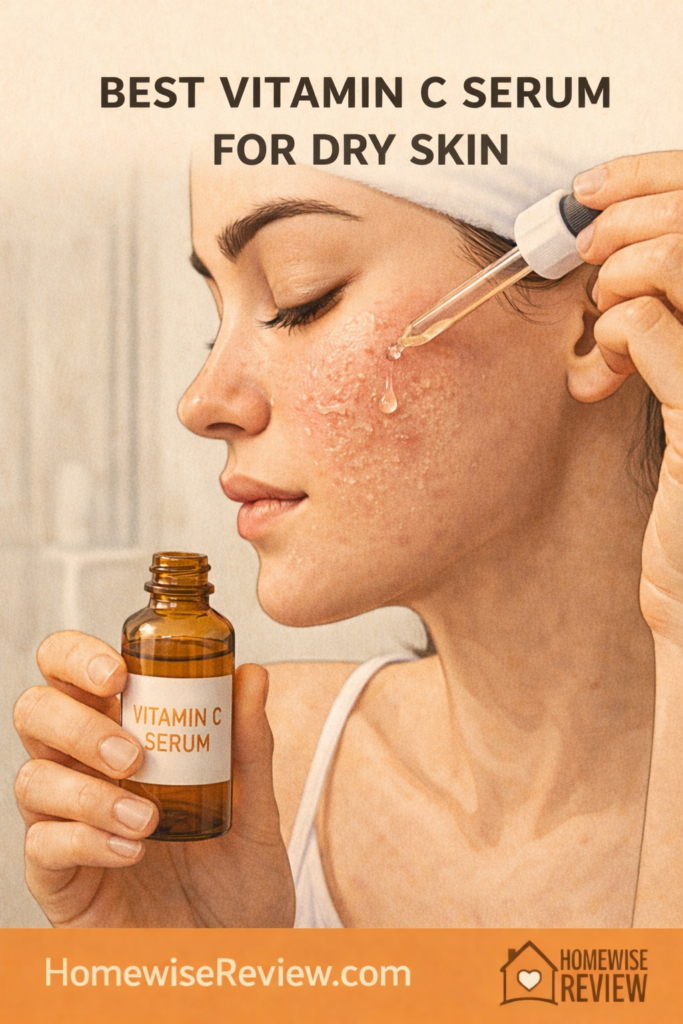
If you have dry skin and want to add vitamin C, the best choice is usually a formula that supports brightness without asking your barrier to do too much. This guide compares four options by vitamin C type, hydration support, texture, and how likely they are to fit a dry-skin routine.
Yes, vitamin C can work for dry skin. The main question is which formula is least likely to feel too strong, too lean, or too irritating for your current barrier.
This is an editorial comparison, not a close-up test or lab ranking. The picks below are organized around formula type, support ingredients, sensitivity tolerance, and routine fit so you can choose the version of vitamin C that makes the most sense for dry skin.
How we evaluated
This guide compares four vitamin C serums based on formula type, hydration support, texture, packaging, and likely fit for dry or dry-sensitive skin. It does not claim firsthand testing, wear testing, or measured results. The goal is to help you choose the formula that best matches your skin’s comfort level and routine style.
| Product | Best for | Vitamin C type / strength | Key support ingredients | Main caution |
|---|---|---|---|---|
| CeraVe Skin Renewing Vitamin C Serum | Most dry or sensitive skin | 10% pure L-ascorbic acid | Ceramides, hyaluronic acid, vitamin B5 | May be more of a steady, comfort-first option than a strong active formula |
| Paula’s Choice C15 Super Booster | Dry skin that can handle a stronger formula | 15% L-ascorbic acid | Vitamin E, ferulic acid, hyaluronic acid | May feel too active for a flaky or easily irritated barrier |
| Mad Hippie Vitamin C Serum | Reactive or beginner-friendly dry skin | Vitamin C derivative | Vitamin E, ferulic acid, hyaluronic acid, soothing botanicals | Usually a slower path if you want stronger brightening support |
| La Roche-Posay Pure Vitamin C Face Serum | Dry skin with dullness or occasional congestion | 10% pure vitamin C | Salicylic acid, peptide | Added alcohol and salicylic acid may be too much for very dry skin |
In-depth reviews
CeraVe Skin Renewing Vitamin C Serum
CeraVe Skin Renewing Vitamin C Serum is the most balanced option in this roundup for dry skin that also leans sensitive. It uses 10% pure L-ascorbic acid, which puts it in a moderate range rather than an especially aggressive one.
What makes it work for dry skin is the support around the vitamin C. Ceramides, hyaluronic acid, and vitamin B5 help make the formula feel more barrier-conscious than a typical plain vitamin C serum. That matters if you want brightening support without choosing a formula that is overly lean or harsh.
The creamy, lotion-like texture is another reason it fits dry skin well. The fragrance-free formula and opaque tube also make practical sense for a vitamin C product, since vitamin C is generally more stable when it is protected from light and air.
Best use case: dry skin, dry-sensitive skin, or anyone who wants a lower-drama daily vitamin C option.
Main caution: if you want a more aggressive brightening formula, this may feel more comfort-first than results-first.
Who should skip it: shoppers who already know they prefer a stronger, thinner, more active-feeling vitamin C serum.
Paula’s Choice C15 Super Booster
Paula’s Choice C15 Super Booster is the strongest-feeling option here from a formula standpoint. It uses 15% L-ascorbic acid with vitamin E and ferulic acid, a combination often chosen when the goal is a more active vitamin C routine.
This is the pick for dry skin that can handle more intensity and wants a formula with more obvious brightening potential on paper. Hyaluronic acid adds some hydration support, and the serum can be used on its own or mixed into moisturizer if you want a softer entry point.
Because the formula is thinner and more active, it relies more on the rest of your routine for comfort. A richer moisturizer can help balance it out, especially if your skin is dry but not especially reactive.
Best use case: dry skin that wants a stronger vitamin C step and already tolerates active ingredients fairly well.
Main caution: 15% pure vitamin C may be too much if your skin is flaky, sensitized, or easily stung.
Who should skip it: anyone whose barrier tends to feel fragile right now, or anyone looking for the gentlest possible start.
Mad Hippie Vitamin C Serum
Mad Hippie Vitamin C Serum is the gentlest route in this guide and the clearest fit for dry skin that does not tolerate pure L-ascorbic acid well. It uses sodium ascorbyl phosphate, which is a vitamin C derivative rather than the pure acidic form.
The formula also includes vitamin E, ferulic acid, hyaluronic acid, and soothing botanical ingredients. That mix makes it a sensible choice if you want antioxidant support but do not want a formula that leans too sharp or too stripped-down.
Because it is a derivative-based serum, it is usually the more gradual option. That tradeoff can be worth it if your main goal is routine consistency and comfort rather than the strongest possible vitamin C experience.
Best use case: dry-sensitive skin, beginner vitamin C users, or anyone whose skin tends to react to stronger formulas.
Main caution: if your priority is a more direct or more intense vitamin C step, this may feel slower or less active.
Who should skip it: shoppers who specifically want pure L-ascorbic acid or a more aggressive brightening formula.
La Roche-Posay Pure Vitamin C Face Serum
La Roche-Posay Pure Vitamin C Face Serum sits between a brightening serum and a texture-focused formula. It contains 10% pure vitamin C along with salicylic acid and a peptide, so it is a better fit for dry skin that also gets rough, dull, or a little congested.
This is the option to look at if your dry skin is not just dry but also prone to buildup or uneven texture. The formula is more targeted than the creamier barrier-support picks, so it may make more sense when you want both brightness and a smoother-looking surface.
The texture is silky and fluid, which may suit people who prefer a lighter daytime serum. Packaging and format also matter here, since vitamin C benefits from being protected from air and light over time.
Best use case: dry skin with dullness, rough texture, or occasional congestion.
Main caution: the added salicylic acid and alcohol denat may be too much for very dry, flaky, or already irritated skin.
Who should skip it: anyone whose main goal is barrier comfort first, or anyone whose skin is currently very dry and sensitized.
How to choose a vitamin C serum when you have dry skin
For dry skin, the first choice is usually between pure vitamin C and a derivative. Pure L-ascorbic acid is the more direct option, and formulas in the 10% to 15% range often sit in the middle of the road for strength. A derivative such as sodium ascorbyl phosphate is often the better starting point if your skin is sensitive, easily flushed, or already barrier-compromised.
Then look at what the formula gives back to the skin. Ceramides, hyaluronic acid, glycerin, panthenol, vitamin E, and similar support ingredients can make a vitamin C serum easier to fit into a dry-skin routine. If a formula also includes exfoliating acids, drying alcohol, or fragrance, it may be a less forgiving choice when your skin is already tight or flaky.
Texture matters too. Creamier or lotion-like formulas usually feel more natural on dry skin than very thin, fast-evaporating serums. If your skin is also congested, a lighter formula may still make sense, but it helps to make sure the rest of your routine is hydrating enough.
Packaging is worth a quick check as well. Because vitamin C can be sensitive to air and light, opaque tubes, pumps, and tinted bottles are generally preferable to packaging that leaves the formula exposed for long periods.
Dry and sensitive: start with barrier-supportive formulas like CeraVe or a derivative-based serum like Mad Hippie.
Dry but congestion-prone: La Roche-Posay may make more sense if you want a lighter, texture-focused option.
Dry but active-tolerant: Paula’s Choice is the more assertive option if your skin already handles stronger skincare well.
If you are choosing between a derivative and pure vitamin C, the simplest rule is this: pick the derivative if comfort is the priority, and pick pure L-ascorbic acid if you want a more direct vitamin C step and your skin usually handles actives without complaint.
How to use vitamin C serum in a dry-skin routine
Vitamin C usually fits best in the morning. Apply it after cleansing and before moisturizer and sunscreen. If your routine already includes a hydrating toner or essence, that can help make the step feel less abrupt on dry skin.
If your skin is easily irritated, buffering can help. One simple approach is to apply moisturizer first, then vitamin C, then moisturizer again if needed. Another is to use vitamin C every other morning at first and build up only if your skin stays comfortable.
Start low and go slow. Two to three times per week is a reasonable starting point for dry skin, especially with pure vitamin C. If your skin tolerates the formula well, you can increase frequency gradually. There is no requirement to use it daily if your skin prefers a less frequent schedule.
If persistent stinging, burning, redness, itching, or extra flaking continues after application, the formula may not suit your barrier right now. In that case, pause use, simplify the rest of your routine, and consider switching to a gentler option rather than pushing through.
For dry skin, the goal is consistency, not force. A vitamin C serum that fits your routine comfortably is usually the better choice than a stronger one you end up avoiding.
Final thoughts
If you want the easiest all-around fit for dry skin, CeraVe Skin Renewing Vitamin C Serum is the most balanced choice because it combines 10% vitamin C with barrier-supportive ingredients. If you want something stronger and your skin can handle it, Paula’s Choice C15 Super Booster is the more active option.
If your skin is reactive or new to vitamin C, Mad Hippie Vitamin C Serum is the gentlest place to start. If your dry skin also deals with roughness or congestion, La Roche-Posay Pure Vitamin C Face Serum makes the most sense. The best pick depends on whether your main priority is comfort, intensity, or texture support.
Frequently Asked Questions ▾
Is vitamin C serum actually good for dry skin, or will it make me peel?
It can be good for dry skin, but the formula has to match your barrier. Vitamin C is more likely to cause peeling when the serum is too strong, too acidic, or combined with other potentially drying ingredients. A more supportive formula used a few times per week is usually the safer way to start.
What vitamin C percentage is best for dry or sensitive skin?
A lower-to-moderate range is usually the easiest starting point. Many dry or sensitive skin types do well with 5% to 10% if they are new to vitamin C, while 15% is more appropriate for skin that already handles actives comfortably. The percentage matters, but so do the support ingredients and the rest of the routine.
Should I choose pure vitamin C or a derivative if my skin is dry?
If your skin is very dry, reactive, or easily stung, a derivative is often the more comfortable place to begin. If your skin is dry but tolerant and you want a more direct vitamin C formula, pure L-ascorbic acid can make sense. The best choice is the one your barrier is most likely to tolerate consistently.
Can I use vitamin C and hyaluronic acid together on dry skin?
Yes. That pairing is often helpful for dry skin because hyaluronic acid can add hydration support to a vitamin C step. Many of the formulas in this guide already include it, but you can also layer a separate hydrating serum or moisturizer afterward if needed.
What should I do if vitamin C stings every time I use it?
Persistent stinging is a sign that the formula may not suit your skin at the moment. Try using it less often, buffering it with moisturizer, or switching to a gentler derivative-based formula. If the discomfort continues, stop use and focus on barrier support first.
See also
If you want to compare nearby options, start with Best Oil Free Vitamin C Serum and Best Affordable Vitamin C Serum for closely related picks and buying angles.
You can also check Best Luxury Vitamin C Serum, Best Vitamin C Serum For Dark Spots and Best Vitamin C Serum For Hyperpigmentation if you want a broader set of alternatives before deciding.