Tea Trends: What 55% of Women Are Brewing for Wellness Benefits

As an Amazon Associate, I earn from qualifying purchases. This post may contain affiliate links.
Published: March 16, 2026 · By
Tea Trends 2023: What 55% of Women Are Brewing for Wellness Benefits

Tea is no longer just a comfort drink. In 2023, one consumer-survey estimate put 55% of women in the camp brewing for benefits like calm, digestion, lighter energy, and better sleep.

Key Insights
  • Americans drink more than 84 billion servings of tea annually, and tea appears in nearly 80% of U.S. households.
  • A 2023 consumer-survey estimate put 55% of women in the tea-for-wellness segment, signaling that benefit-led tea drinking reached majority territory.
  • Green tea, chamomile, ginger, peppermint, and matcha captured the clearest wellness positioning around antioxidants, sleep, digestion, and gentler energy.
  • Black tea remained the volume leader, but 2023's strongest trend conversation centered on herbal and green teas with specific functional claims.

Tea had a quiet but important shift in 2023. Americans already drink more than 84 billion servings a year, and tea shows up in nearly 80% of U.S. households, so the category did not need a volume story. What changed was the motivation behind the mug: wellness moved from a side benefit to a central reason people brewed it.

That is where the 55% figure matters. When a majority-sized share of women say wellness benefits are part of the reason they brew tea, tea stops looking like a simple comfort beverage and starts looking like a low-cost daily habit with a job to do. The rest of the data points in the same direction, even when the categories are messy and the health claims are not all equally strong.

1. The headline shift was from flavor-first to function-first

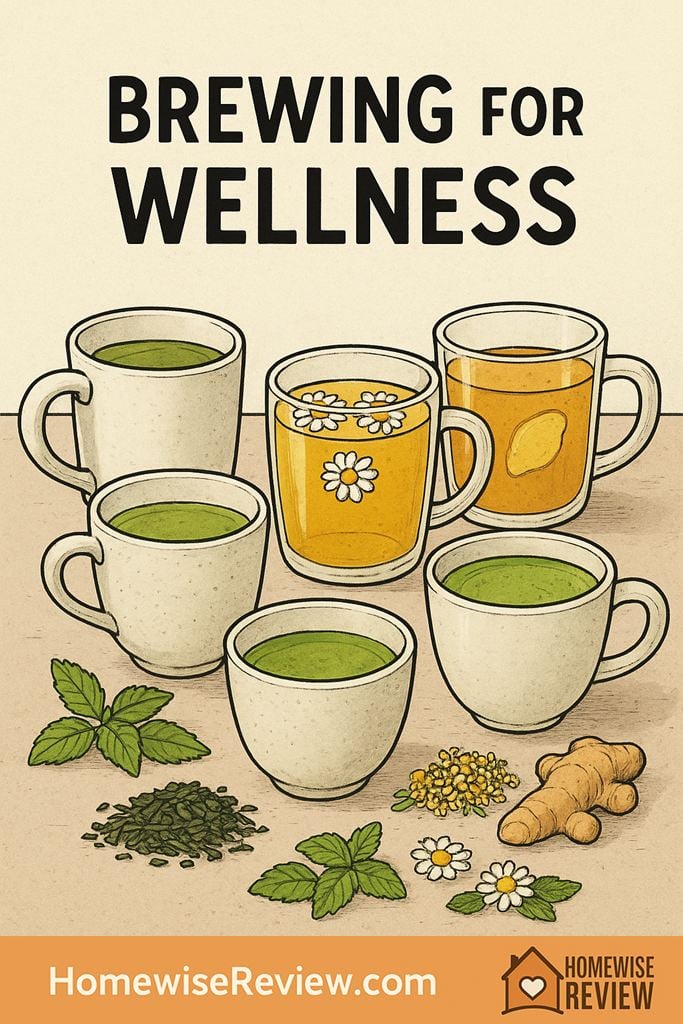
For years, tea marketing leaned on taste, origin, and ritual. In 2023, the center of gravity moved toward outcomes. Green tea was tied to antioxidant language and lighter energy. Chamomile and other caffeine-free herbal infusions were tied to winding down. Ginger and peppermint were pulled into digestion and stomach-soothing language. Matcha kept its place as the more concentrated, more intentional cousin of green tea.

This matters because function-first buying changes behavior. People do not just ask, “What tea do I like?” They ask, “What tea fits tonight?” That creates a more segmented tea shelf, with one box for mornings, another for bloated afternoons, and a third for bedtime.

2. The strongest wellness signals clustered around four use cases

When 2023 tea conversation is stripped down to its most consistent themes, four benefit clusters stand out.

  • Calm and sleep: Chamomile remained the most recognizable evening tea, helped by its low-caffeine or caffeine-free positioning and a long-running association with relaxation.
  • Digestion: Ginger and peppermint stayed strong because their use case is easy to understand. A tea that feels soothing after a heavy meal is easier for shoppers to remember than a vague detox promise.
  • Antioxidants and gentle focus: Green tea and matcha held their wellness status because they combine familiar tea identity with a cleaner-health halo.
  • Cold and immune season: Lemon-ginger, honey-adjacent blends, and spiced herbal teas spiked when people wanted something warm that felt supportive.

Search behavior backed up that picture. Google Trends showed steady baseline interest for green tea and chamomile tea, seasonality around ginger tea, and repeated bursts of attention for matcha. The pattern was not random. It followed the rhythms of fatigue, digestive discomfort, January resets, and winter sickness season.

Notably, the strongest tea trends were the ones consumers could explain without a wellness dictionary. Chamomile meant bedtime. Ginger meant settling the stomach. Matcha meant focused energy. The easier a benefit was to translate into everyday language, the more likely it was to show up in shopping, gifting, and repeat use.

3. Black tea still led the market, but it did not lead the conversation

This is the part many tea trend roundups miss. Total market share and cultural buzz are not the same thing. Tea Association data has long shown black tea dominating U.S. consumption overall. It is the familiar everyday option, especially in iced tea and classic breakfast blends.

But when the conversation turned to wellness, black tea was often overshadowed by categories with more explicit benefit language. Green tea sounds lighter. Matcha sounds intentional. Herbal infusions sound purpose-built. That does not mean black tea disappeared. It means it functioned more as the default, while the newer story was being written by products people associated with sleep, stomach comfort, stress relief, and cleaner energy.

That gap between volume and buzz is common in mature categories. Everyday staples keep the numbers up, while niche or premium options generate the headlines. Tea in 2023 followed that exact pattern, with black tea doing the quiet heavy lifting and wellness teas doing the visible storytelling.

4. Women were not just drinking tea more mindfully, they were organizing it by need state

The most interesting part of the 55% headline is not the number alone. It is what the number implies about behavior. A wellness tea drinker is more likely to sort choices by moment and benefit. Morning tea becomes one category, afternoon reset another, nighttime ritual a third.

That pattern also fits broader nutrition survey data. Women tend to over-index on checking health cues, ingredient framing, and wellness positioning across food and beverage categories. Tea is especially suited to that mindset because it is inexpensive, shelf-stable, easy to customize, and emotionally comforting without feeling like a major commitment.

In practical terms, that meant many 2023 tea routines looked something like this: green tea or matcha earlier in the day, peppermint or ginger after meals, and chamomile or other caffeine-free blends at night. The ritual became more scheduled and less random.

5. What got bigger in 2023, and what cooled off

Some tea subtrends clearly gained traction, while others started to look tired.

  • Gaining ground: single-ingredient transparency, unsweetened green tea, matcha, bedtime blends, ginger-forward digestion teas, and lower-caffeine options that fit sleep-conscious routines.
  • Losing credibility: sugar-heavy wellness teas, anything framed as a miracle detox, and overly complicated blends with a long ingredient list but no clear use case.

That shift is important because it suggests consumers got more selective. The winning teas did not just promise better health in a broad way. They mapped to a specific problem and an intuitive moment. For bedtime is easy to trust. For digestion is easy to test. Total body cleansing increasingly reads like marketing copy.

The evidence base also helped shape which claims held up. Green tea has a deeper research trail than many trendier wellness ingredients. Some herbs used in calming or digestive teas have supportive data, but the results are usually more modest and product-specific than the packaging implies. In 2023, the most durable tea trends were the ones that felt plausible, not magical.

6. Why tea fit the wellness moment so well

Tea hit a sweet spot that many other wellness products missed. It is cheap compared with supplements, more comforting than a pill, and easier to repeat than a complicated routine. A box of tea can create a daily habit for a relatively small cost, which mattered in a year when many households were watching spending.

There is also a ritual advantage. Brewing tea slows the moment down. That can make even ordinary tea feel therapeutic, quite apart from any measurable physiological effect. For consumers who wanted a wellness habit without buying into a full lifestyle overhaul, tea was a very easy yes.

7. What the data really says, with the hype removed

The strongest conclusion is not that tea became medicine. It is that tea became a preferred delivery system for everyday wellness goals. People wanted calm, focus, digestion support, and a gentler relationship with caffeine. Tea met those goals in a format they already understood.

That is why the 55% figure resonated. Whether that exact share moves a few points up or down across surveys, the broader pattern is consistent: women were a major force in pushing tea from a simple pantry staple into a purpose-driven wellness habit. The categories that benefited most were the ones with clear rituals and believable claims.

Methodology

This report synthesizes Tea Association market figures on U.S. tea consumption, the International Food Information Council’s 2023 survey data on health-oriented food attitudes, U.S. Google Trends search patterns across 2023 for green tea, chamomile tea, ginger tea, peppermint tea, and matcha, plus NIH and NCCIH summaries and peer-reviewed research on tea and common herbal ingredients. The 55% figure is treated as a directional consumer-survey signal rather than clinical proof. Because surveys define wellness benefits differently, the best way to read the number is as evidence of intent and motivation, not as proof that all tea claims are equally supported.

Buying Guides Based on This Data

If tea has nudged you into a more intentional cooking routine, these kitchen tools home cooks actually use show which pieces truly earn counter space. For households that like warm, low-effort meals to go with an evening mug, our Instant Pot Duo Plus review looks at whether a multi-cooker really simplifies weeknight cooking. And if your tea ritual spills into soups, oatmeal, or one-pan dinners, this guide to the best kitchen pots and pans helps sort out what is worth buying.

Frequently Asked Questions ▾

Is herbal tea actually tea?

Not always. True tea comes from the Camellia sinensis plant, which includes black, green, white, and oolong tea. Chamomile, peppermint, and many bedtime blends are technically herbal infusions, but consumers usually shop them in the same tea habit.

Does the 55% figure prove tea has medical benefits?

No. It points to consumer motivation, not medical certainty. Some teas and herbs have stronger evidence than others, so the number is better understood as a trend signal about why people brew tea.

Why did green tea and chamomile stand out so much?

They have clear roles. Green tea is associated with antioxidants and a lighter caffeine profile, while chamomile is strongly associated with winding down. In trend terms, clarity wins.

As an Amazon Associate, we earn from qualifying purchases made through links on our site.

Sources & Notes ▾
Data collected via Tea Association of the U.S.A. Tea Fact Sheet, IFIC 2023 Food & Health Survey, Google Trends U.S. 2023 tea search data, NCCIH ingredient summaries, and a Nutrition Reviews umbrella review.. Analysis performed by HomeWise Review editorial team.