

Loads comfortably for long travel, clamshell packing keeps things organized, and an adjustable harness helps avoid sore shoulders.
We may earn a small referral fee
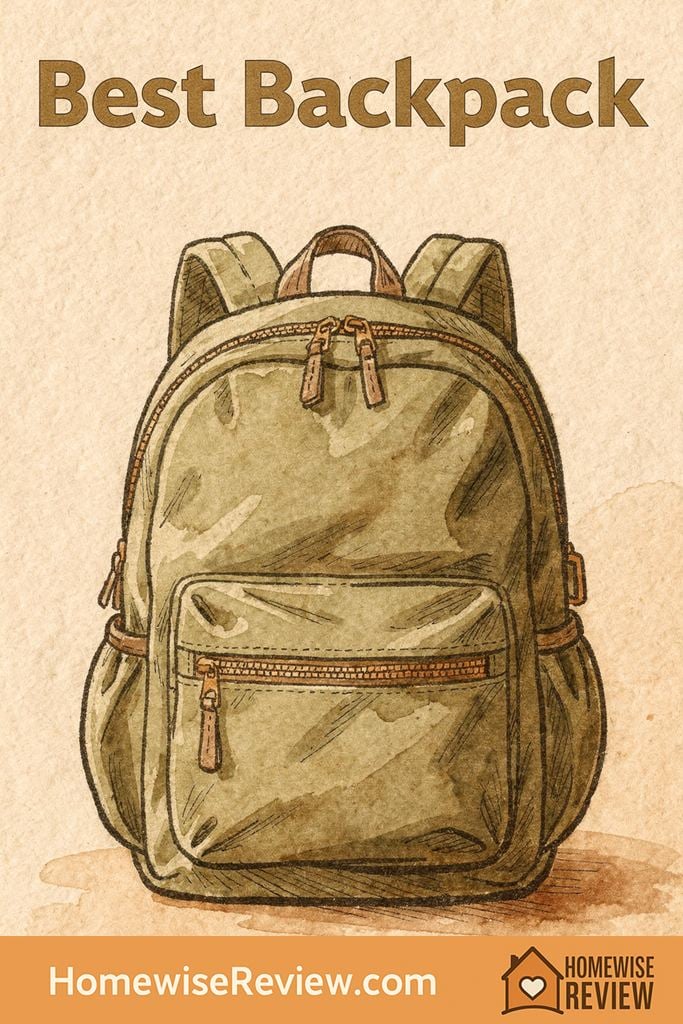
Choosing the right backpack is the difference between an easy trip and sore shoulders, messy packing, and constant zipper frustration. These top picks cover the most common travel needs, with honest trade-offs so you can choose confidently.
In-depth Reviews
Osprey Farpoint 40 Travel Backpack
- Excellent carry comfort when loaded
- Clamshell access makes packing and unpacking easy
- Stays stable and balanced while walking
- Organization is simpler than some laptop-heavy packs
- Not the most subtle look for office use
Aer Travel Pack 3
- Outstanding organization for tech and small items
- Structured carry keeps the load from feeling sloppy
- Easy access without unpacking everything
- Heavier than many travel backpacks
- Boxy profile can feel bulky in tight spaces
Patagonia Black Hole Pack 32L
- Tough materials that handle scuffs and weather well
- Lightweight for the capacity
- Simple layout that packs quickly
- Not a full clamshell, so packing can be less tidy
- Less support for very heavy loads
REI Co-op Ruckpack 40
- Strong feature set for the money
- Travel-friendly access and pocketing
- Comfortable enough for typical carry-on loads
- Harness support is not as plush as higher-end packs
- Materials can show wear sooner than premium options
Deuter Aircontact Lite 50+10
- Supportive carry for heavier loads and longer walks
- Adjustable fit helps prevent sore spots
- More stable and comfortable than typical travel bags when loaded
- Too large for many carry-on limits when fully expanded
- More straps and hiking features than some travelers want
Buying Guide
What We Wish We Knew Before Buying: Backpack Fit and Packing That Actually Feels Lighter
Fit beats features. Even the best backpack can feel miserable if the torso length is wrong or the straps are fighting your shoulders. If the bag has adjustability, take five minutes to set it: loosen everything, put weight in the pack, center it high on your back, then tighten shoulder straps, then sternum strap, then hip belt (if you have one). The goal is a stable load that does not sway or pull you backward, not a “cranked down” squeeze.
Pack by weight, not by habit. Put dense items (shoes, toiletry kit, chargers, a packed cube) close to the middle of your back, not at the very bottom and not bulging far away from you. That one change can make a pack feel noticeably lighter because it reduces leverage. Use your soft items as “shim” material around hard edges so nothing pokes, and avoid leaving empty space that lets the load slump as you walk.
Keep a small access routine. A backpack feels calmer when you always know where four things are: passport or ID, phone charger, meds, and a snack. Choose one pocket for each and stick to it, trip after trip. If your pack does not have great quick-access pockets, add a small zip pouch and clip it inside the top of the main compartment so you are not constantly digging. It is a simple habit, but it makes airports, train platforms, and long car days feel far less chaotic.
What Most Reviews Miss
Fit matters more than features. If the torso length is wrong or you never dial in the harness, this pack will dig into your shoulders and pull the load backward, no matter how good the reviews are. You can also make it feel much heavier by packing dense gear low or away from your back instead of centered close to your spine.
💡 Editor’s Final Thoughts
Final Verdict: The Osprey Farpoint 40 is our top pick because it balances carry comfort, smart access, and true one-bag practicality better than most. If you want a more structured, laptop-first setup for frequent work travel, the Aer Travel Pack 3 is the upgrade move.
See also
If you’re building a streamlined travel kit, our Best Concealer for Blemishes guide pairs nicely with Best Foundation for Melasma for a simple, packable routine.
- Estée Lauder travel-friendly favorites
- Hair bleach options and what to know before you buy
- Henna hair dye picks for lower-maintenance color
Frequently Asked Questions ▾
What size backpack works best for carry-on travel?
For most airlines, backpacks in the 35L to 45L range are the sweet spot for carry-on travel. Look for a “clamshell” opening, compression straps, and a shape that stays close to the classic carry-on outline, since tall, skinny packs can exceed height limits even if the liters sound right.
How many liters do I need for a 3 to 5 day trip?
Many travelers can pack 3 to 5 days into 30L to 40L if you use packing cubes and stick to a repeatable outfit plan. If you’re bringing bulkier shoes, cold-weather layers, or work gear, stepping up to 40L to 45L usually makes it feel less like a puzzle.
Do I really need a hip belt?
If your pack regularly weighs more than about 15 to 20 pounds, a real hip belt (not just a thin strap) is a comfort upgrade. It shifts load to your hips instead of your shoulders, which matters most on long airport walks, uneven streets, and day trips where you’re wearing the bag for hours.
What should I look for in a laptop compartment?
Prioritize a suspended sleeve (so the laptop does not hit the ground when you set the bag down), easy access that does not force you to unzip the whole bag, and a snug fit that keeps the laptop from sliding. If you travel often, a separate laptop section can speed up security checks and protect your tech from overpacked main compartments.
How do I clean a backpack without ruining it?
Start with spot cleaning: mild soap, a soft brush, and lukewarm water, then air dry fully with zippers open. Avoid hot water, dryers, and harsh detergents, which can damage coatings and foams. If odor is the issue, a gentle wipe-down inside and a full dry-out in a well-ventilated area usually does more than soaking the whole pack.
As an Amazon Associate, we earn from qualifying purchases made through links on our site.