

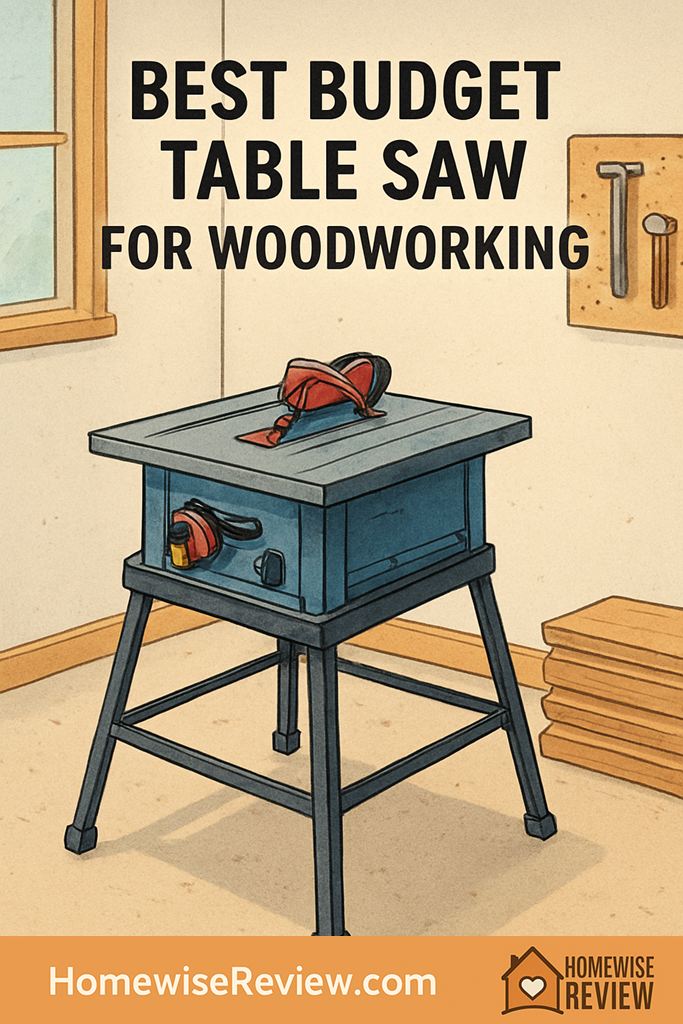
Consistent fence tracking and a stable folding stand deliver repeatable, square cuts for home-shop woodworking.
We may earn a small referral fee
Nothing kills your momentum like lining up a rip cut and watching the fence drift just enough to ruin the edge, then realizing you have to remeasure, recut, and waste the board. I learned fast that “budget” does not have to mean unpredictable, but it does mean you have to care about the unsexy stuff like fence tracking, table alignment, and whether the stand wobbles when you push through stock. The relief is when the saw feels repeatable, because suddenly your projects stop turning into a pile of almost-right parts.
In-depth Reviews
SKIL TS6307-00 10-Inch Jobsite Table Saw with Folding Stand
- Fence adjustments feel consistent and repeatable
- Stable stand for the price
- Good all-around control for hobby woodworking
- Dust collection is only fair without a strong shop vac
- Table space feels tight on longer boards without support
WEN 7480 10-Inch Jobsite Table Saw
- Strong value for basic ripping and crosscutting
- Works well for shop projects and home DIY
- Simple layout that is easy to learn
- Fence can require extra care to stay perfectly aligned
- More vibration and noise than premium options
DEWALT DWE7485 8-1/4-Inch Compact Jobsite Table Saw
- Easy to store and carry compared to larger saws
- Fence feel is reliable for repeat cuts
- Clean performance for trim and smaller parts
- Not ideal for frequent sheet-good ripping without extra support
- Compact table needs outfeed help on longer boards
Metabo HPT C10RJS 10-Inch Jobsite Table Saw with Folding Stand
- More stable feel during longer rips
- Handles bigger stock with less drama
- Good option for frequent weekend use
- Heavier footprint and less convenient to store
- Takes more space than compact saws
DEWALT DWE7491RS 10-Inch Jobsite Table Saw with Rolling Stand
- More comfortable for plywood and wider panels
- Rolling stand makes storage and setup easier
- Fence performance supports repeatable woodworking cuts
- Costs more than entry-level jobsite saws
- Bigger footprint in a small garage or shed
Buying Guide
What We Wish We Knew: Make a Budget Table Saw Cut Like a Better Saw
Start with a blade upgrade, not a new saw. A good blade changes everything: cleaner edges, less burning, and a smoother feed that feels safer. Match the blade to your work, then label it and keep it clean so pitch buildup does not quietly ruin cut quality.
Spend thirty minutes tuning, then re-check occasionally. Confirm the blade is parallel to the miter slot, set the fence parallel to the blade, and make sure your bevel stops land at true square. Budget saws can hold settings surprisingly well, but a quick check before a big project saves lumber and frustration.
Support the workpiece and you will instantly get straighter cuts. Even the best budget saw struggles if a long board tips off the back of the table. A simple outfeed table, roller stand, or a slick sheet of plywood at the same height makes your cut line more consistent and reduces the urge to push too hard.
What Most Reviews Miss
The fence and stand matter more than the motor on a budget table saw. When the fence won’t stay aligned or the stand flexes during a cut, straight rips wander and you ruin stock even if the blade has enough power. That is why the SKIL gets the nod here: its fence tracks the same way cut after cut, and its folding stand stays stable enough for home-shop accuracy.
💡 Editor’s Final Thoughts
Final Verdict: If you want the best balance of price, accuracy, and everyday usability, the SKIL TS6307-00 is the budget pick I would start with because its fence behavior and stand stability make it easier to get reliably straight cuts. If you expect to rip larger panels often, step up to the DEWALT DWE7491RS for the extra capacity and the rolling stand convenience.
See also
If you are also replacing everyday essentials while you tackle home projects, our guide to the best toothbrush for receding gums is a straightforward, practical read.
Frequently Asked Questions ▾
What matters more on a budget table saw, power or the fence?
For woodworking, the fence usually matters more. A strong motor is helpful, but a fence that stays parallel to the blade is what gives you repeatable, glue-ready cuts. Look for a fence that locks solidly at both the front and rear (or a rack-and-pinion style), then plan on upgrading your blade for smoother cutting.
Can a jobsite table saw really be accurate enough for furniture projects?
Yes, as long as you tune it and support your workpiece. Check blade-to-miter-slot alignment, confirm the fence is parallel, and use a good blade. For furniture parts, add infeed and outfeed support (even a simple roller stand or a plywood outfeed table) so your cuts do not wander as you feed longer boards.
Should I prioritize rip capacity if I plan to cut plywood?
If you regularly break down sheet goods, rip capacity and stability are a big deal. A wider rip fence range makes it possible to handle more plywood cuts without awkward setups. That said, many woodworkers still prefer to rough-cut plywood with a track saw or circular saw first, then bring smaller panels to the table saw for clean, precise final sizing.
Do I need dado capability on a budget table saw?
Only if your projects call for it. Dados are great for shelves and cabinetry, but you can also cut grooves with multiple passes using a regular blade. If dado work is part of your plan, confirm the saw supports dado sets before buying and make sure you use the correct throat plate and safe guarding setup.
What is the first upgrade that makes the biggest difference?
A quality blade. The stock blade that comes with many budget saws is fine for rough work, but it often tears out and leaves a fuzzy edge. A good combination blade (or a dedicated rip blade if you cut a lot of hardwood) will reduce burning, improve cut quality, and make the saw feel more controlled.
As an Amazon Associate, we earn from qualifying purchases made through links on our site.