

Dense, puncture-resistant ring with a safety indicator—built for heavy chewers and works best when you rotate chews to extend lifespan.
We may earn a small referral fee
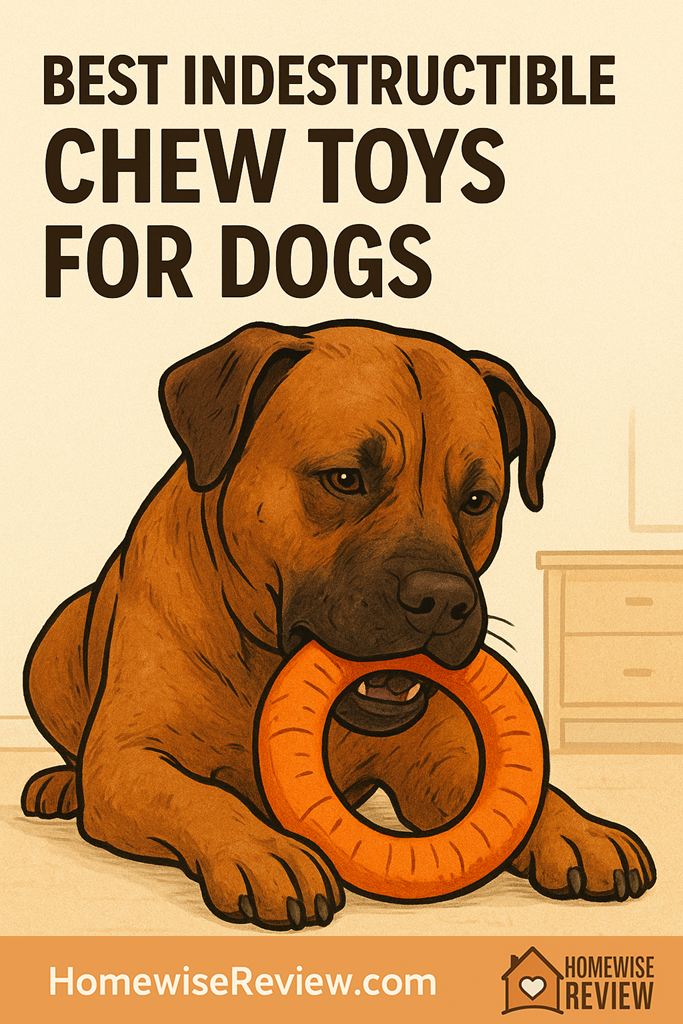
I have watched my dog turn a brand-new “tough” toy into colorful confetti before I could even put the scissors away from the packaging. The photos always look indestructible, but real life is a power chewer settling in, bracing paws, and grinding like it is a job. After sweeping up enough rubber crumbs to fill a dustpan, I started paying attention to density, safety indicators, and rotating a few heavy-duty chews so one toy is not taking the full beating every day. That is when the toys finally started lasting long enough to feel like a smart buy, not a weekly replacement.
In-depth Reviews
Goughnuts MAXX Ring Dog Toy
- Exceptional durability for power chewers
- Safety indicator helps you know when to replace
- Easy for dogs to grip and chew steadily
- Pricey compared to standard rubber toys
- Heavier feel, not everyone’s favorite for fetch
KONG Extreme Dog Toy (Classic)
- Stuffable for longer, calmer chew sessions
- Tough rubber with good bounce for play
- Easy to rinse and keep sanitary
- Some extreme chewers can eventually tear rubber
- Wrong sizing can shorten its lifespan
West Paw Hurley Tough Dog Bone
- Durable material with a bit more give than nylon
- Easy to clean and pleasant to handle
- Works for chew time and fetch
- Some power chewers can start to rough up the ends
- Not ideal for dogs who love to shred by targeting edges
Benebone Wishbone Durable Dog Chew Toy
- High engagement for dogs who love to gnaw
- Easy grip shape helps it stay put during chewing
- No stuffing or crumbs around the house
- Hard nylon can be risky for dogs with dental issues
- Needs regular inspection for sharp edges and wear
Nylabone Power Chew Textured Ring
- Great longevity for determined gnawers
- Texture keeps interest better than a smooth chew
- Low-mess option for indoor chewing
- Hard material is not ideal for every dog’s teeth
- Can develop rough or sharp edges over time
Buying Guide
Quick Care Guide: Make “Indestructible” Toys Last Longer (and Stay Safer)
Rotate, do not overload. Most dogs fixate on one toy until they find the weak point. Keeping two or three durable chews in rotation often extends the life of each one because the dog is not obsessing over a single seam or edge every day.
Match the toy to the chew style. “Chunk biters” do best with very dense rubber and simple shapes that do not offer corners to peel. “Steady gnawers” may be happier with a nylon chew that satisfies that grinding urge, but you will want to watch for tooth wear and replace the toy before it develops sharp spots.
Do a 10-second safety check. Every few days, run your hand over the toy. If you feel cracks, sharp edges, or loose pieces, it is time to toss it. A toy that is technically still usable is not worth the risk if it has become swallowable or jagged.
Worth Knowing Before You Buy
One "indestructible" chew toy will not hold up for a dog that locks onto the same edge or seam every day. The tougher move is rotating two or three chews, because power chewers wear one spot until they find the weak point. If your dog braces down and grinds on a single toy daily, even a durable pick can get chewed through fast.
💡 Editor’s Final Thoughts
Final Verdict: If you want the most reliable, heavy-duty option, Goughnuts MAXX Ring is my top pick because it is built for determined chewers and gives you a clear safety signal when it is time to replace. For everyday enrichment that also stands up to tough jaws, keep a KONG Extreme in rotation and stuff it to make it last even longer.
See also
If you are shopping for a serious power chewer, start with our best toys for pitbulls and best toys for labs.
- Puppy chew guide (what is safe for growing teeth)
- Best toys for dachshunds with strong jaws in small bodies
- Best toys for French bulldogs (short snouts, big chewing drive)
Frequently Asked Questions ▾
Are any dog chew toys truly indestructible?
Not in a literal sense. The most “indestructible” toys are simply the ones that fail the slowest with your dog’s chew style. Even the toughest rubber or nylon can crack, split, or wear down over time, so think in terms of durability plus safety, not a forever toy.
Is rubber or nylon better for aggressive chewers?
Rubber is usually the safer starting point because it has some give, which can be gentler on teeth and gums. Nylon can last a long time for steady gnawers, but it is very hard and can create sharp edges as it wears. If your dog has a history of tooth fractures, stick with high-quality rubber and size up.
How do I choose the right size chew toy?
Choose the largest size your dog can comfortably carry and chew without fitting the toy fully in their mouth. A toy that is too small is a choking risk and is easier to destroy quickly. If you are between sizes, go bigger, especially for strong breeds and determined chewers.
When should I replace a “durable” chew toy?
Replace it when you see deep cracks, missing chunks, sharp edges, or when the toy has worn down enough to become swallowable. For nylon chews, file down rough or sharp spots if the toy is otherwise intact, and toss it if your dog can break off pieces. For rubber, discard it once it starts tearing or the structure is compromised.
Can I leave my dog alone with an indestructible chew toy?
It depends on the toy and your dog. Tough rubber toys are often safer for solo chewing than hard nylon, but supervision is still best until you know how your dog interacts with it. If your dog is a “chunk biter” who tries to rip and swallow pieces, keep chew time supervised and pick designs that are harder to shred.
As an Amazon Associate, we earn from qualifying purchases made through links on our site.