

Rigid shell shields fragile gear while the roomy 30L interior and smart pockets keep travel and daily essentials organized and comfortable.
We may earn a small referral fee
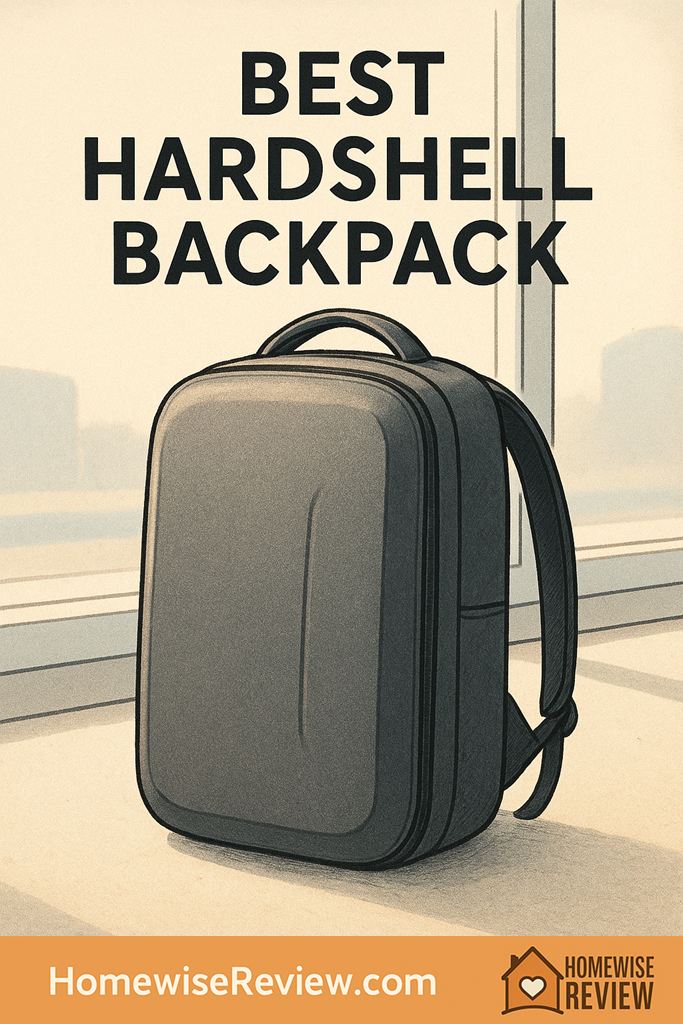
I tossed my laptop into a soft backpack on an overcrowded commute and tried to pretend the hard jabs from other bags and the train pole were no big deal. When I finally pulled it out at a coffee shop, the corner had a new dent and I spent the rest of the day anxious, babying it like it was already halfway broken. Switching to a hardshell backpack was instant relief because I can actually move through airports and rush-hour crowds without feeling every bump in my stomach.
In-depth Reviews
Thule Crossover 2 Backpack (30L)
- Molded compartment protects fragile items without eating the whole bag
- Comfortable carry with stable, structured feel
- Organization makes it easy to find essentials quickly
- Structured build feels less flexible than a soft backpack
- Premium price compared to basic laptop bags
Pelican U100 Elite Laptop Backpack
- Excellent laptop protection with a true hard-shell compartment
- Handles rough handling and messy weather confidently
- Great peace of mind for travel days and outdoor use
- Heavier, more rigid carry than most commuter backpacks
- Hard compartment shape can limit packing flexibility
OGIO Renegade RSS Laptop Backpack
- Strong organization for tech and daily essentials
- Protective pocket keeps delicate items safer
- Comfortable carry even when fully loaded
- Can feel bulky in tight airplane aisles
- Lots of pockets can tempt overpacking
Korin ClickPack Pro Anti-Theft Backpack
- Structured shell resists crushing and keeps a clean silhouette
- Security-focused access helps deter opportunistic theft
- Easy to wipe down after travel
- Shell makes the bag less forgiving when overpacked
- Some security features can slow down frequent access
BANGE Business Smart Hard Shell Backpack
- Affordable way to get a rigid shell front
- Holds shape well and protects against light impacts
- Good everyday layout for work and travel basics
- Durability can vary more than premium brands
- Comfort and ventilation are usually more basic
Buying Guide
Travel-Pro Packing Tips for Hardshell Backpacks
Use the shell strategically. A hardshell backpack protects best when the hard side faces the impact, so pack your most fragile items (glasses case, earbuds, small camera, travel-sized bottles you do not want squished) closer to the molded area. Softer items like a sweater or scarf make a great cushion layer between your tech and anything hard-edged. If your bag has a rigid front panel, avoid placing bulky, lumpy items right against it, since that is what creates pressure points and awkward bulges.
Keep the center of gravity tight. Structured packs can feel heavier if you load weight far from your spine. Put dense items (power bank, chargers, toiletries) in the middle of the bag and as close to the back panel as possible, then use the outer pockets for light grab-and-go things like snacks, a pen, hand sanitizer, and boarding pass. If your bag keeps tipping when you set it down, try moving weight lower and closer to the bottom corners, that usually stabilizes it immediately.
Prevent scuffs before they start. Hardshell surfaces pick up marks from the same culprits every time: overhead bins, seat rails, and concrete. Choose a textured matte shell if you can, then make it a habit to set the bag on a jacket or a tote in rough spots instead of directly on the ground. At home, wipe the shell with a damp microfiber cloth and let it fully dry before storing, especially after rain, salt spray, or snow, since grime can dull the finish over time.
What Most Reviews Miss
A hardshell backpack protects the side with the shell, not the whole bag. If the rigid panel is on the front, put fragile gear against that molded section and keep heavy items like chargers and toiletries near your back, or the pack will feel back-heavy and tip over when you set it down. Most reviews miss this, so buyers assume the shell protects everything and end up with awkward weight distribution and gear that still gets knocked around.
💡 Editor’s Final Thoughts
Final Verdict: The Thule Crossover 2 Backpack is my top pick because it protects the fragile stuff with a molded safe zone while still carrying like a real backpack. If you want the toughest laptop protection possible, the Pelican U100 Elite is the move, it is simply built for bumps and weather.
See also
To round out a truly carry-on-friendly kit, pair your bag upgrade with our best lightweight body lotions for travel and these best silk and satin sleep accessories for better sleep on the road.
- Compact beauty and home tools worth packing
- Hair essentials that hold up on ski trips
- SPF that actually works for scalp and hairline
Frequently Asked Questions ▾
What makes a backpack “hardshell”?
Most hardshell backpacks fall into two camps: a full rigid exterior panel (often the front) or a molded hard-shell compartment (usually for sunglasses, cables, and fragile items). For travel, the best designs add structure and impact resistance without sacrificing comfort, since a fully rigid shell can feel bulky and less forgiving against your back.
Are hardshell backpacks comfortable for long walks through airports?
They can be, but comfort depends more on the harness than the shell. Look for well-padded shoulder straps, a supportive back panel, and a stable base that does not tip backward when set down. If you tend to walk long terminals, prioritize a bag that keeps weight close to your body and does not force a stiff, flat shape into your lower back.
Will a hardshell backpack fit under an airplane seat?
Some will, many will not, and the shell is the reason. Rigid panels do not compress the way soft bags do, so you need a size that is naturally slim enough to slide under without forcing it. If under-seat is a must, choose a smaller capacity and a bag with a molded pocket rather than a fully rigid front panel.
Do hardshell backpacks scratch easily?
Hard panels, especially glossy ones, can show scuffs from overhead bins and concrete. The easiest workaround is picking a matte or textured finish and treating the shell like luggage: wipe it down after trips and avoid dragging it. For minor marks, a damp microfiber cloth often helps; harsh cleaners can dull the finish or make scratches more obvious.
Is “anti-theft” on a hardshell backpack actually useful?
It helps most in crowded places where quick-access theft is common. Hidden zippers, lockable pulls, and cut-resistant materials can deter opportunistic grabs, but they do not replace good habits. If you want the benefits without fuss, choose a bag that stays convenient for you to open, since security features you hate tend to go unused.
As an Amazon Associate, we earn from qualifying purchases made through links on our site.