

Gets crisp, tender results with minimal oil, simple presets, and easy cleanup, ideal for healthier weeknight cooking.
We may earn a small referral fee
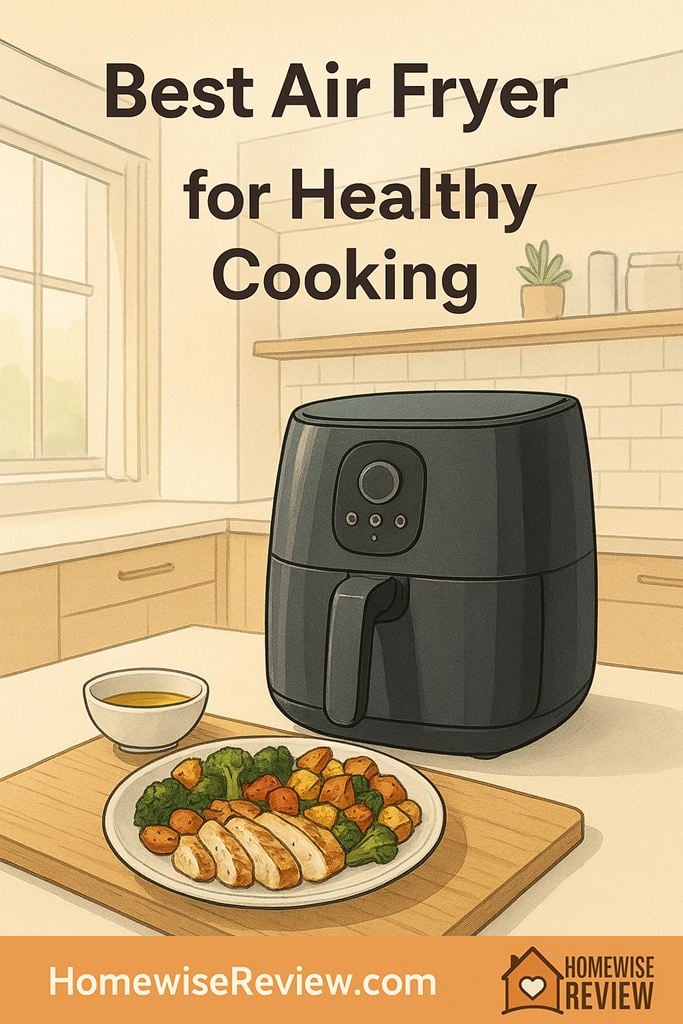
If you are anything like me, “healthy dinner” sounds great until it is 8 p.m. and you are staring at a pan that needs oil, babysitting, and scrubbing. The week I started leaning on an air fryer, I could get chicken and a pile of veggies crisp enough to feel satisfying with just a light spritz, and the basket was the only thing I had to wash. It made clean eating feel less like a whole production and more like a default.
In-depth Reviews
COSORI Pro II Air Fryer 5.8-Quart (CP358-AF)
- Reliable crisping with minimal oil
- Easy controls with practical presets
- Low-fuss cleanup for everyday use
- Footprint can feel bulky on smaller counters
- Nonstick needs gentle utensils to last
Ninja Foodi 2-Basket Air Fryer (DZ201)
- Two baskets make full meals easier
- Strong browning without over-oiling
- Sync cooking helps everything finish together
- Takes up noticeable counter space
- More parts to wash than single-basket models
Instant Vortex Plus 6-Quart Air Fryer with ClearCook
- Clear window reduces overcooking from constant checking
- Steady, predictable results on common healthy staples
- User-friendly for beginners
- Window needs regular cleaning to stay useful
- Coating can wear faster with rough cleaning habits
Philips Premium Airfryer XXL (HD9650/96)
- Very even browning with less shaking
- Handles fattier foods with a cleaner finish
- Consistent results across batches
- Higher price than most basket air fryers
- Accessories can add to total cost
Breville Smart Oven Air Fryer Pro (BOV900BSS)
- Better for batch cooking and meal prep portions
- Spreads food out for truer roasting and crisping
- Highly versatile beyond air frying
- More to clean than a single basket model
- Uses more space than a compact air fryer
Buying Guide
What We Wish We Knew: Healthy Air Frying Is Mostly Technique
Use less oil, but use it well. Healthy air frying is not “no oil ever,” it is “just enough.” A light mist helps spices cling and encourages browning, which keeps you from chasing crunch by overcooking. Skip aerosol nonstick sprays if your manual warns against them, since they can be rough on some nonstick coatings over time. A simple pump mister with avocado or olive oil gives you control without drenching food.
Do not crowd the basket. This is the biggest reason people end up disappointed and add extra oil trying to compensate. Air fryers need airflow. If your vegetables look pale and a little wet, you probably packed too much in. Cook in two quick rounds or choose a larger capacity model, and you will get better texture with less added fat.
Seasoning and timing make “healthy” taste satisfying. For vegetables, toss with salt before cooking so they roast instead of tasting flat, then finish with acid after cooking (lemon, vinegar, or a quick yogurt sauce) so you do not need heavy sauces. For proteins, use a thermometer and pull them as soon as they are done, since air fryers can go from juicy to dry fast. Once you dial in those habits, healthy air fryer meals stop feeling like a compromise.
Worth Knowing Before You Buy
Do not fill this COSORI to the top and expect crisp food. When the basket is crowded, vegetables come out pale and damp, and people often end up adding more oil to make up for it. If you regularly cook for more than two people, batch size matters more than the preset buttons.
💡 Editor’s Final Thoughts
Final Verdict: The COSORI Pro II 5.8-Quart is the best overall air fryer for healthy cooking because it delivers reliable browning with minimal oil, stays easy to live with day to day, and offers excellent value for a “do-it-all” size. If you routinely cook for a bigger crew, the Ninja Foodi DualZone is the most practical upgrade for getting a full meal done at once.
See also
For a closer look at a favorite in this roundup, read our COSORI 5.8Qt air fryer review, then compare it with our guide to kitchen gadgets that earn counter space.
- Best kitchen tools every home cook actually uses
- Kitchen accessories that upgrade everyday cooking
- Time-saving kitchen gadgets for busy moms
Frequently Asked Questions ▾
Is an air fryer actually healthy?
It can be, mainly because it helps you get a crisp finish with far less added oil than deep frying. The health “win” comes from using less oil, cooking more at home (with control over ingredients), and leaning into whole foods like vegetables, fish, and lean proteins. That said, an air fryer does not magically make ultra-processed foods healthy. Think of it as a tool that makes healthier cooking easier to stick with.
How much oil do I really need for air frying?
For most foods, a light coating is enough, especially if your goal is healthy cooking. I like using a small refillable oil mister so I can control the amount and coverage. Foods like fresh vegetables typically need a quick mist or a teaspoon tossed in a bowl to help browning. Breaded items or foods that are naturally higher in fat (like chicken thighs) often need little to no added oil at all.
What are the healthiest things to cook in an air fryer?
Vegetables are the easiest healthy win: broccoli, Brussels sprouts, green beans, zucchini, and sweet potatoes come out crisp-tender and flavorful. Lean proteins also do well, like chicken breast, turkey burgers, salmon, shrimp, and tofu, especially when you use a quick marinade or spice rub. Air fryers are also great for “better snack” swaps, like homemade kale chips, roasted chickpeas, or lightly crisped corn tortillas for tacos.
How do I avoid smoke, burnt oil smells, or a bitter taste?
Smoke usually comes from excess grease hitting a hot surface, sugary marinades splattering, or leftover drips from a prior cook. Start with a clean basket and drawer, and trim or blot extra fat if needed. If you are cooking something juicy or fatty, some models handle it better (or you can add a little water to the drawer below the basket if your model allows it, keeping water away from the food). For sweet sauces, cook first, then brush sauce on in the last few minutes so it does not burn.
Do I need to preheat an air fryer for healthier cooking?
Not always, but preheating can help you cook more efficiently and get better texture without extra oil. A hot basket jump-starts browning, which is especially helpful for vegetables and anything breaded. If your air fryer has a preheat setting, it is worth using for most “crisp” goals. For delicate foods (like thin fish fillets) or reheating leftovers, you can usually skip preheat and use a slightly lower temperature for gentler results.
As an Amazon Associate, we earn from qualifying purchases made through links on our site.