

Anchors rooms with heritage shapes and a calm neutral finish, easy to style, comfy, and keeps the collected look tidy.
We may earn a small referral fee
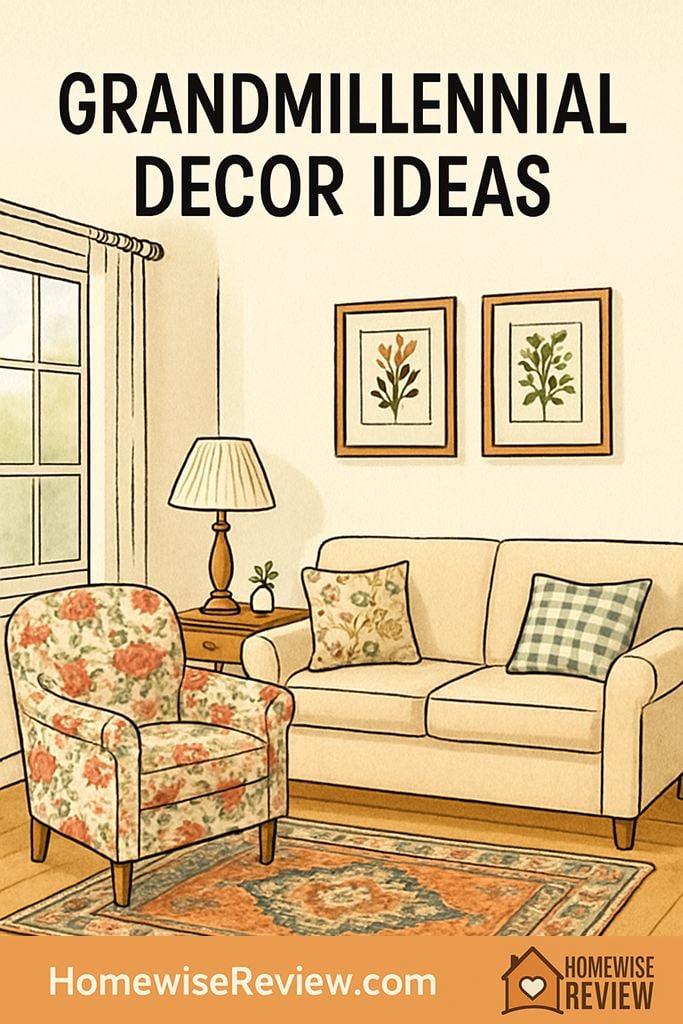
I tried to chase that cozy, collected grandmillennial look by stacking every little vintage find on my shelves, and the room instantly started feeling busy instead of warm. The turning point was choosing one “anchor” piece, then giving everything else space to breathe, like a skirted slipcover sofa that reads classic without adding visual noise.Now the patterns and heirloom-style accents feel intentional, and I am not constantly moving trinkets just to wipe down a surface.
Grandmillennial decor is charming for a reason: it feels personal, warm, and “lived in” in the best way. The challenge is keeping it from looking like a thrift store shelf or a themed set. The goal is curated and cozy, not crowded.
What “grandmillennial” decor means (and what it is not)
A quick definition
Grandmillennial style blends classic, traditional elements (florals, skirts, antique silhouettes, needlepoint, brass) with fresh edits (clean paint colors, simpler layouts, and a few modern shapes). Think: heritage charm with a tidy, current finish.
What it is not
- Not a costume: You do not need lace on every surface or a room full of ruffles to read “grandmillennial.”
- Not clutter-core: The look relies on negative space so the special pieces actually stand out.
- Not all antiques: A mix of old, vintage-inspired new, and a few modern basics keeps it functional and affordable.
The 7 building blocks of grandmillennial style
Use these building blocks like a checklist. You do not need all seven in every room, but you usually want at least four to make the style feel clear.
- A calm backdrop: warm whites, creamy neutrals, soft greige, pale sage, or gentle blue-grays.
- Traditional pattern: florals, stripes, checks, toile, or chinoiserie used with restraint.
- Natural texture: linen, cotton, cane, jute, wood, or sisal to keep things grounded.
- One “old soul” piece: an antique sideboard, a vintage mirror, or a well-worn rug.
- Classic shapes: turned legs, skirted furniture, scallops, pleated shades, curved frames.
- Warm metal touches: brass, bronze, or aged nickel, ideally repeated 2 to 3 times.
- Something personal: framed family photos, a travel print, inherited china, or a book you actually love.
Color palette that feels fresh, not fussy
Start with a calm base
A quiet base keeps patterns from feeling busy. If your room already has a lot going on, choose a soft wall color and repeat it in at least one textile (like curtains or a rug background) to make the whole space feel connected.
- Great base colors: warm white, ivory, oatmeal, light greige, pale sage, soft putty, gentle misty blue.
- Quick rule: keep the largest surfaces (walls, sofa, big rug) in the same “calm family.”
Add 1 to 2 heritage colors for depth
Heritage colors are the richer tones that make grandmillennial style feel traditional: navy, forest green, cranberry, butter yellow, tobacco, or dusty rose. Use them like seasoning, not the whole meal.
| Base | Heritage accent | Where it works best |
|---|---|---|
| Warm white + natural wood | Navy | Pillows, lamp shades, border trim, framed art mats |
| Soft greige | Forest green | Velvet pillow, plaid throw, built-in cabinet paint |
| Ivory | Dusty rose | Floral drapes, quilt, upholstered accent chair |
| Pale sage | Cranberry | Needlepoint, small pottery, seasonal stems |
Patterns and textiles: how to mix without chaos
Use the 60-30-10 pattern plan
When people say grandmillennial looks “busy,” it’s usually because every fabric is competing. A simple ratio helps you layer patterns and still feel calm.
- 60% quiet: solids, subtle textures, or very low-contrast patterns (linen, herringbone, tiny dots).
- 30% medium: stripes, gingham, classic plaids, or a small floral.
- 10% statement: one bolder floral, toile, chinoiserie, or a saturated color pop.
Where each pattern shines
- Florals: curtains, accent chairs, quilts, and small pillows.
- Stripes: upholstery, ticking slipcovers, Roman shades, and outdoor pillows (they read crisp and tailored).
- Checks and plaids: throws, seat cushions, table linens, and bedrooms.
- Toile or chinoiserie: one feature item (a wallpapered nook, a single pillow, or framed panels) so it feels special.
Mixing patterns checklist
- Repeat at least one color across all patterns in the room.
- Mix scale: one large pattern, one medium, one small.
- Add a solid break between two busy patterns (a neutral throw, a plain pillow, a simple rug border).
- Use one “classic stripe” as a stabilizer when you are unsure.
- If it feels loud, remove the highest-contrast item first.
Furniture: the “new heirloom” approach
Pick one anchor piece that feels storied
One anchor piece sets the tone without requiring you to furnish the whole room with antiques. Look for good proportions and solid materials, even if the finish is imperfect.
- Living room: vintage coffee table, antique mirror, or a traditional side table with turned legs.
- Dining: a classic wood table, a china cabinet, or a sideboard.
- Bedroom: an old dresser, a brass bed, or a cane bench.
Balance it with simple, comfortable basics
To keep the room from feeling dated, pair your anchor with clean-lined basics. A modern sofa, a simple bed frame, or minimal nightstands can make traditional prints feel current.
| Option | Pros | Watch-outs |
|---|---|---|
| True antique or vintage | One-of-a-kind character, often solid wood | May need repairs, can be heavy, measurements vary |
| Secondhand newer pieces | Affordable, easier sizes, often comfortable upholstery | Quality varies, check smells and stains carefully |
| Vintage-inspired new | Consistent sizing, easier returns, usually safer finishes | Can look flat if everything matches, may use veneers |
Walls and art: make it collected, not crowded
A simple gallery wall formula
A grandmillennial gallery wall works best when it feels organized. Choose a consistent frame finish (all brass, all wood, or all black) and vary the art content (botanicals, landscapes, portraits, needlepoint).
- Start with 1 large anchor (16×20 or larger) at eye level.
- Add 2 to 4 mediums to build the shape.
- Finish with small fillers (postcards, mini frames) only if you still have clean spacing.
Wallpaper and trim, even in small doses
If full wallpaper feels like a commitment, use it strategically: the back of a bookcase, a powder room, inside a closet, or a single recessed nook. Pair it with simple trim or beadboard to keep the room from feeling too sweet.
Make vintage art feel cleaner
- Mat busy prints with a wider neutral mat to give them breathing room.
- Use glass and a proper frame so thrifted art looks finished.
- Keep the wall around your art simple, especially if your textiles are patterned.
Lighting and hardware: the details that sell the look
Choose soft, classic shapes
Grandmillennial lighting is more about shape than sparkle. Look for pleated shades, scalloped edges, traditional silhouettes, and warm metals.
- Table lamps: ceramic, glass, or brass bases with a pleated or linen shade.
- Sconces: simple arms, aged brass, or a small fabric shade.
- Overhead: a traditional chandelier shape or a lantern that is not overly industrial.
Fast, high-impact swaps (in order)
- Hardware: cabinet knobs, dresser pulls, door levers.
- Shades: replace harsh white shades with warm linen or soft pleats.
- Bulbs: choose warm color temperature so the room feels cozy, not clinical.
Room-by-room grandmillennial decor ideas
Living room
- Start with a neutral sofa, then add one floral or striped chair for personality.
- Layer two pillows in a medium pattern plus one small statement pillow.
- Use a vintage-style rug to anchor the room, then keep the coffee table styling minimal (tray, book, small vase).
Dining room
- Mix classic wood chairs with one softer element, like slipcovered end chairs.
- Add a tablecloth or runner in a check or stripe for instant charm.
- Hang one large mirror or landscape to reflect light and make the space feel finished.
Bedroom
- Choose one patterned hero: quilt, duvet, or wallpaper behind the bed.
- Keep nightstands simple and repeat matching lamps for calm symmetry.
- Add softness with skirted bedding or a tailored bed skirt if you like the traditional look.
Kitchen
- Swap in classic cabinet hardware (aged brass or polished nickel) for a quick update.
- Style one open shelf with white dishes plus one vintage accent (transferware, brass, or a small framed print).
- Use pretty-but-practical textiles: a small striped café curtain or a floral dish towel set.
Bathroom (including the tiny powder room)
- Try wallpaper in a small space first. Powder rooms are perfect for bolder patterns.
- Choose a vintage-style mirror over the vanity to instantly shift the vibe.
- Keep counters clean with one tray for soap and a small bud vase.
Entryway and hallway
- Use a traditional runner and a narrow console for a welcoming first impression.
- Add one statement: a brass sconce, a framed portrait, or a vintage mirror.
- Keep it functional with a small bowl for keys and one lidded basket for drop-zone clutter.
How to keep grandmillennial style livable (especially with kids or pets)
Make “pretty” washable
The easiest way to enjoy layered textiles is choosing pieces you can actually clean. Washable rugs, slipcovered pillows, and machine-washable throws let you keep the cozy look without feeling precious about it.
Choose performance where it matters
- Sofas and chairs: consider performance fabric in a classic texture (linen-look, chenille, or tight weave).
- Dining chairs: use wipeable fabric or add a removable cushion you can launder.
- Rugs: a slightly distressed vintage pattern hides crumbs and everyday life better than a solid.
Contain the chaos with closed storage
Grandmillennial rooms look best when surfaces are mostly clear. If you have little ones, a pretty cabinet, sideboard, or lidded baskets in a console can hold toys quickly without advertising the mess.
Budget-friendly sourcing and smart splurges
Where to look for grandmillennial pieces
- Thrift and consignment: frames, lamps, mirrors, side tables, vases.
- Estate sales: art, china, linens, brass, traditional furniture.
- Facebook Marketplace: solid wood dressers and dining sets (bring measurements and a plan).
- Local antique malls: great for browsing, but set a budget and shop with a list.
What to buy new (for comfort and safety)
- Upholstery you sit on every day
- Rugs if you need specific sizes or washable options
- Mattresses and anything soft you cannot thoroughly clean
Smart splurges that elevate everything
- Lighting: a beautiful lamp and shade reads “intentional” fast.
- Window treatments: lined curtains in a classic stripe or floral instantly soften a room.
- One real wood anchor: a sideboard or dresser that can move with you for years.
A simple 1-week grandmillennial refresh plan
If you want progress without overwhelm, tackle the style in a steady order so each step supports the next.
- Day 1: Declutter surfaces and remove anything that feels overly themed.
- Day 2: Choose your color direction (calm base plus 1 to 2 accents).
- Day 3: Add one traditional pattern (pillows, curtains, or one chair).
- Day 4: Update lighting or lampshades for a softer glow.
- Day 5: Create one focal wall moment (large art, mirror, or a small gallery).
- Day 6: Add texture with a throw, basket, or natural fiber element.
- Day 7: Edit again: keep what adds warmth, remove what adds noise.
Worth Knowing Before You Buy
Grandmillennial style looks messy fast when you treat it as an excuse to stack vintage pieces everywhere. The fix is simple: start with one anchor piece, like a skirted slipcover sofa or another traditional shape in a quiet neutral, then add smaller patterns and heirloom-style accents around it. That keeps the room from reading as crowded and cuts down on the daily annoyance of moving clutter just to clean.
Bottom Line
Grandmillennial decor works best when it is curated: a calm foundation, a few traditional patterns, and one or two “old soul” pieces that look like they have a story. Keep plenty of breathing room and choose washable, durable layers so the style stays cozy and livable.
See also
If you love layered, collected rooms, start with our eclectic decor ideas and borrow a few calming principles from Scandinavian decor ideas.
- Washable rugs, throws, and linens for real-life homes
- Vanity tabletop setups that make small corners feel charming
- Home scent diffusers for a calm, cozy finishing touch
Frequently Asked Questions ▾
Is grandmillennial decor the same as cottagecore?
They overlap, but they are not the same. Cottagecore leans more rustic, whimsical, and countryside, while grandmillennial is more traditional and tailored, with classic patterns, vintage silhouettes, and a “collected” feel.
How do I make grandmillennial style look modern?
Use a calm, light wall color, keep your largest furniture pieces simple, and limit bold pattern to one or two hero moments. Modern comes from editing: fewer accessories, more negative space, and consistent finishes.
What are the easiest grandmillennial updates on a tight budget?
Swap lampshades to linen or soft pleats, upgrade hardware, and add one traditional textile (like a striped curtain or floral pillow). Thrifted frames and a vintage mirror can also change the whole room without a big spend.
How many patterns are too many?
In most rooms, 2 to 3 patterns is the sweet spot: one medium, one small, and optionally one statement. If you want more, increase solids and textures so your eye has places to rest.
What’s one mistake that makes grandmillennial look cluttered?
Too many small decor items. Choose fewer, larger accents (one lamp, one substantial vase, one framed piece) and keep surfaces mostly clear so the room reads intentional, not crowded.
As an Amazon Associate, we earn from qualifying purchases made through links on our site.