

Smart controls plus convection and air‑fry crisping: fast, consistent weeknight meals without constant babysitting.
We may earn a small referral fee
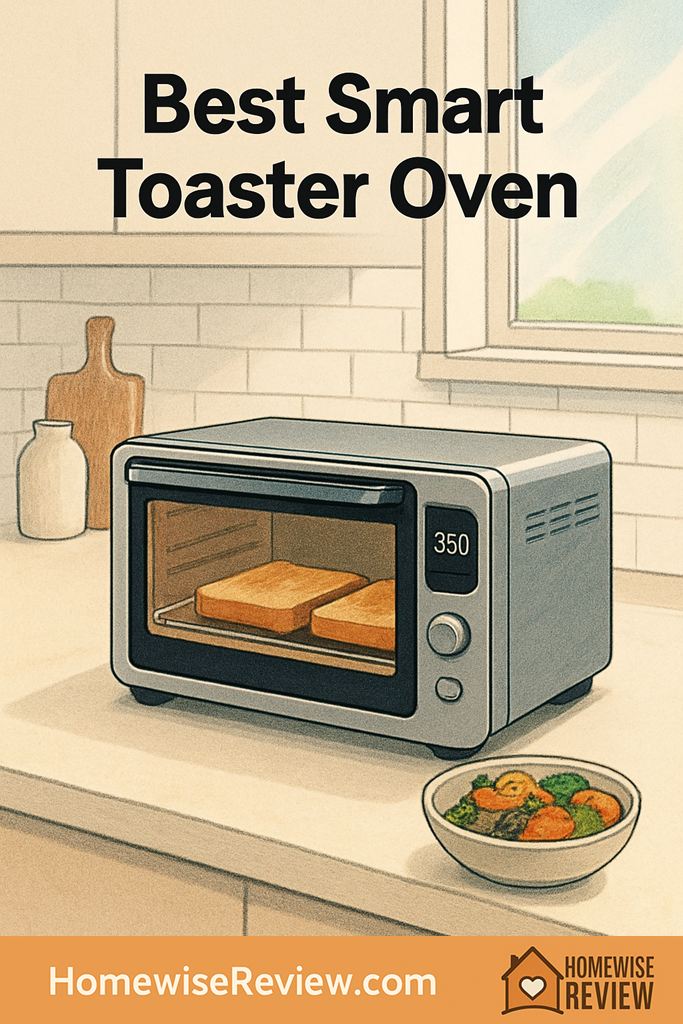
I am usually juggling new growth touch-ups and trying to keep my relaxed hair wrapped, so dinner needs to happen without me hovering by the counter. The difference with a truly smart toaster oven is the way it nails leftovers and quick meals on the first try, no rubbery chicken, no half-warm center, no constant checking. When I can tap a guided program or adjust from my phone and still get even browning, it feels like getting time back on a weeknight.
In-depth Reviews
GE Profile Smart Countertop Convection Toaster Oven + Air Fry
- Reliable convection results for roasting and air frying
- Smart features add convenience without getting in the way
- Handles a wide range of everyday tasks well
- Larger footprint than a basic toaster oven
- Learning the best rack positions takes a little trial and error
Breville Joule Oven Air Fryer Pro
- Guided cooking helps prevent overcooking
- Strong browning and crisping performance
- Great range of everyday cooking modes
- Best features depend on using the app
- Price is high compared to basic models
COSORI Smart Air Fryer Toaster Oven (30QT)
- Big capacity for weeknight batches
- Solid crisping for frozen foods and quick air fry sides
- App control is easy to use
- Toast results can take a little tweaking
- Fan noise is noticeable on high-convection modes
Tovala Smart Oven (Gen 2)
- Scan-to-cook is fast and low-effort
- Steam helps leftovers stay tender
- Very approachable for everyday use
- Smaller cooking space limits batch size
- Most rewarding if you use scan features often
Ninja Foodi Digital Air Fry Oven (8-in-1)
- Stores upright to save counter space
- Fast preheat and strong crisping for the size
- Simple controls that are easy to learn
- Not connected, so no app features
- Cooking area can feel tight for family-size meals
Buying Guide
What We Wish We Knew Before Buying a Smart Toaster Oven
Smart features only feel “smart” if the oven is easy to live with. Before you get excited about apps and presets, think about where it will sit and how you will clean it. The best routine is simple: shake out the crumb tray often, wipe splatters before they bake on, and keep a dedicated pan or silicone mat for messy foods. That small habit prevents smoke, weird smells, and the kind of buildup that makes people stop using their oven.
Expect a short learning curve for toast and air fry. Toast is sensitive to rack position and bread type, and air fry results change based on spacing and moisture. Give yourself permission to run two “practice” rounds: one with your go-to bread and one with your most common frozen food. Once you lock in the right darkness setting and batch size, these ovens become wonderfully consistent.
Make the app work for you, not the other way around. If your model has WiFi, set up the basics you will actually use: a couple of favorite presets, notifications (like “preheated” or “flip food”), and any safety settings that matter in a busy household. If you find yourself reaching for the phone for simple toast, dial it back and use the front panel. The smartest setup is the one that saves steps, not adds them.
Worth Knowing Before You Buy
Do not expect one-tap results on day one. Toast changes with rack position and bread type, and air fry results change with spacing and moisture, so your first batches can come out uneven or off until you dial in your usual bread and frozen foods. These ovens get consistent after a couple of practice runs, not before.
💡 Editor’s Final Thoughts
Final Verdict: The GE Profile Smart Countertop Oven is our top pick because it pairs true smart features with the kind of consistent, everyday performance that makes you reach for it instead of your big oven. If you want more step-by-step guidance and “set it and trust it” cooking, the Breville Joule is the splurge that earns its keep.
See also
If you are deciding what truly deserves a permanent spot on your countertop, start with these kitchen gadgets that actually earn counter space and compare them with our top kitchen gadgets for busy moms.
- Best home pizza ovens for crispy crusts
- COSORI Air Fryer 5.8Qt review
- Instant Pot Duo Plus review for real-life weeknights
Frequently Asked Questions ▾
What makes a toaster oven “smart” (and what is just marketing)?
In a useful way, “smart” means one of two things: connected features (app control, notifications, guided recipes) or truly helpful automation (consistent preset programs that actually land the timing and browning). Flashy screens are nice, but they are not the same as better results. The best smart ovens reduce guesswork without making simple tasks feel complicated.
Do smart toaster ovens toast as well as a dedicated toaster?
Some do, but many are just “good enough” rather than perfect. A toaster oven has more space, so it can brown a little less evenly unless the toast algorithm and heating element layout are dialed in. If toast is your everyday priority, look for strong toast controls and consistent browning, not just lots of cooking modes.
Is WiFi or app control actually worth paying for?
It is worth it when you will use it weekly: starting preheat from another room, getting a “flip food” reminder, or following a guided cook program that prevents undercooked centers. If you mostly toast and reheat, app features can feel like extra steps. The sweet spot is an oven that works beautifully from the front panel and adds app features as a bonus, not a requirement.
What is the biggest mistake people make with air fry toaster ovens?
Overcrowding. Air fry modes need air movement and space between pieces, so a packed tray steams food instead of crisping it. The second mistake is skipping cleanup until grease bakes on. Wipe the crumb tray and any splatter-prone areas often, and you will avoid smoke and mystery odors later.
How do I know if a smart toaster oven will fit my counter and cabinets safely?
Measure the footprint and also plan for clearance around the oven, especially behind and above it. Many models vent heat upward or out the back, so tight spaces can trap heat and make cabinets uncomfortable over time. If your counter is short on depth, prioritize a model designed for smaller footprints or one that stores vertically.
As an Amazon Associate, we earn from qualifying purchases made through links on our site.