

Wi‑Fi app and sauté‑in‑pot deliver reliable timing, steady results, and remote control for stress‑free, set‑and‑forget dinners.
We may earn a small referral fee
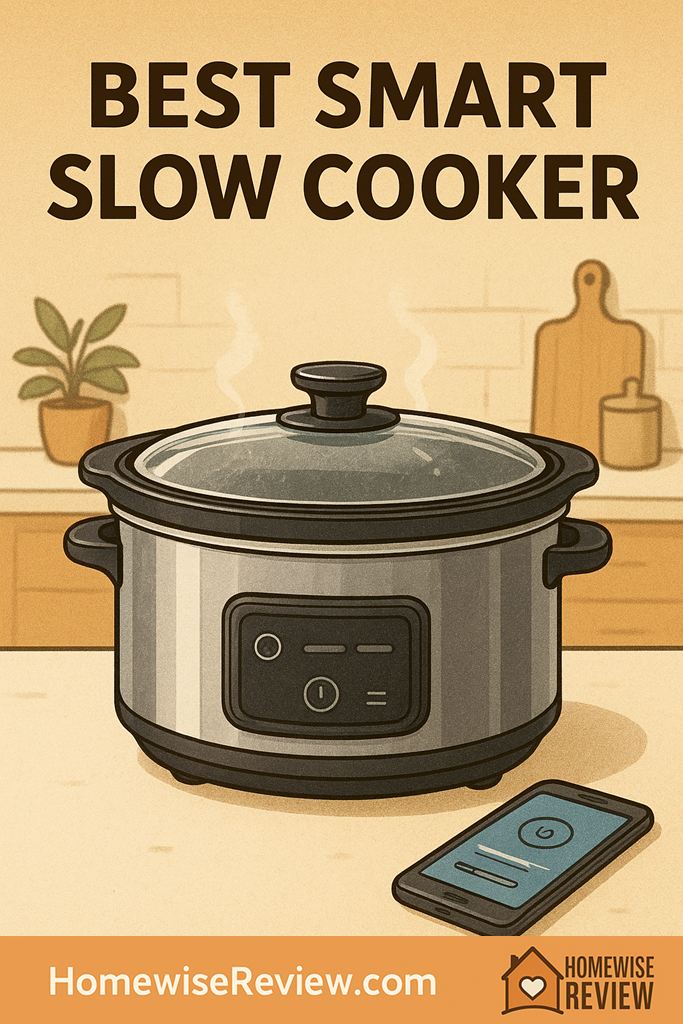
You want dinner to cook itself without turning into mush or running late. The right smart slow cooker makes timing and temperature predictable, even on the busiest days.
In-depth Reviews
Instant Pot Pro Plus Wi-Fi 10-in-1 Multi-Cooker
- Useful app control that is more than a gimmick
- Sauté-first cooking without moving to a separate pan
- Consistent heat for soups, braises, and shredded meats
- More menus than a basic slow cooker
- Learning curve if you only want one simple dial
Hamilton Beach Smart Slow Cooker with Alexa
- Voice control is practical for real life cooking
- Simple interface that still feels like a slow cooker
- Good for keeping food ready without overthinking it
- Smart features depend on your home setup and connectivity
- Not designed for browning in the crock
Hamilton Beach Set & Forget Programmable Slow Cooker with Temperature Probe
- Probe takes the stress out of doneness
- Helps prevent overcooking during the hold window
- Great for meal prep proteins
- Probe setup adds a step at the beginning
- Not the best fit for those who only cook soups and sides
Crock-Pot MyTime Cook & Carry Programmable Slow Cooker
- Smart timing helps reduce overcooked texture
- Easy to transport without a fussy setup
- Good for batch cooking and serving
- Not app-connected if remote control is your priority
- Smart timing still works best with accurate recipe input
Cuisinart Cook Central 3-in-1 Multi-Cooker
- Browning and slow cooking in one vessel
- Better flavor development for braises and roasts
- More versatile than a single-purpose slow cooker
- More parts to store than a basic crock setup
- Not designed around app or voice control
Buying Guide
What We Wish We Knew Before Buying a Smart Slow Cooker
Smart features do not fix a too-full pot. For the best texture, avoid filling to the brim. Crowding slows heating, can water down sauces, and makes it harder for a cooker to hold a steady simmer. If you love doubling recipes, prioritize a larger oval insert so heat can circulate without smashing everything together.
Remote control is most useful at the end, not the beginning. Starting your cook correctly still matters: preheat on high when a recipe calls for it, and keep the lid on. Where “smart” shines is switching to warm at the right moment, or nudging the heat if you see that a sauce is reducing faster than you expected.
Plan for cleanup when you choose your features. Inserts that can handle browning save dishes, but they also benefit from gentler tools (wood or silicone) and a quick soak after serving. If you know you will reach for slow cooker liners, make sure the rim and lid still seal well so you do not lose moisture during long cooks.
Worth Knowing Before You Buy
The app will not fix an overloaded slow cooker. If you crowd the pot, it heats up slower, sauces get thinner, and the cooker struggles to stay at a steady simmer, so remote control is mostly useful near the end of cooking, not at the start. If you often double recipes, buy a larger oval insert instead of paying extra for app features.
💡 Editor’s Final Thoughts
Final Verdict: The Instant Pot Pro Plus Wi-Fi is the best overall pick because you get true remote control plus the flexibility to slow cook, sauté, and finish meals without juggling extra pots. If you want a more traditional slow cooker experience, the Hamilton Beach Smart Slow Cooker with Alexa is the simplest way to get hands-off control that still feels straightforward.
What actually makes a slow cooker “smart” (and what is just noise)
For most home cooks, “smart” really means one of three helpful things: app or voice control, smarter timing that keeps food from overcooking, or a temperature probe that takes the stress out of roasts and whole chickens. Everything else is nice, but not essential.
If you are deciding between a connected model and a non-connected “smart scheduling” model, here is the practical difference: app or voice control is about convenience (adjusting heat, checking progress, changing to warm), while a probe or smart-timing feature is about results (hitting the right doneness and texture). The best choice depends on what you cook most often.
- App or voice control: Great for days you are out of the house or moving room to room and want quick adjustments.
- Temperature probe: Best for meat you do not want to guess on, like roast beef or pulled pork that should shred cleanly, not dry out.
- Smart timing: Helpful if your schedule is unpredictable and you want a wider “done window” without dinner turning soft.
One more thing that matters more than most people expect: the insert and lid combo. A heavier insert holds steadier heat, and a well-fitting lid reduces evaporation so sauces stay the right consistency. If you plan to sauté, look for an insert that can handle higher heat without drama.
See also
If you are also weighing a multi-cooker instead of a traditional slow cooker, start with our Instant Pot Duo Plus multi-cooker review and then compare what else truly deserves space using best kitchen gadgets that earn counter space.
- Kitchen accessories that upgrade everyday cooking
- Top kitchen gadgets for busy schedules
- Kitchen tools home cooks actually use
Frequently Asked Questions ▾
Is a Wi-Fi slow cooker actually safe to leave unattended?
A properly functioning slow cooker is designed for long, unattended cooking, but food safety still matters. Start with cold ingredients (not frozen blocks of meat), keep the lid on, and make sure the cooker can reach and maintain a steady simmer. If you are using remote control, use it to switch to warm or adjust heat, not to stretch cook time far past doneness.
Will “warm” keep food safe and still taste good?
Warm is best for holding food for a short window after cooking, especially soups, chili, and shredded meats with enough liquid. For delicate dishes (cream sauces, some chicken recipes), warm can continue to soften texture, so it helps to choose a model with more precise control or smart timing and to serve soon after it finishes.
Do I need a temperature probe on a slow cooker?
You do not need one for stews, beans, or sauces. A probe is most useful for larger cuts of meat where “looks done” and “is done” are not the same thing. It is also a great confidence boost if you are learning roasts or want consistent results without hovering.
What size slow cooker is best for most families?
A mid-to-larger size is typically the sweet spot because it handles soups, roasts, and batch cooking without feeling cramped. If you regularly cook for just one or two people, smaller can work, but you lose flexibility for meal prep and leftovers.
As an Amazon Associate, we earn from qualifying purchases made through links on our site.