

Hangs open for one-handed access, keeps wet items separated, and packs down without turning into a mini suitcase.
We may earn a small referral fee
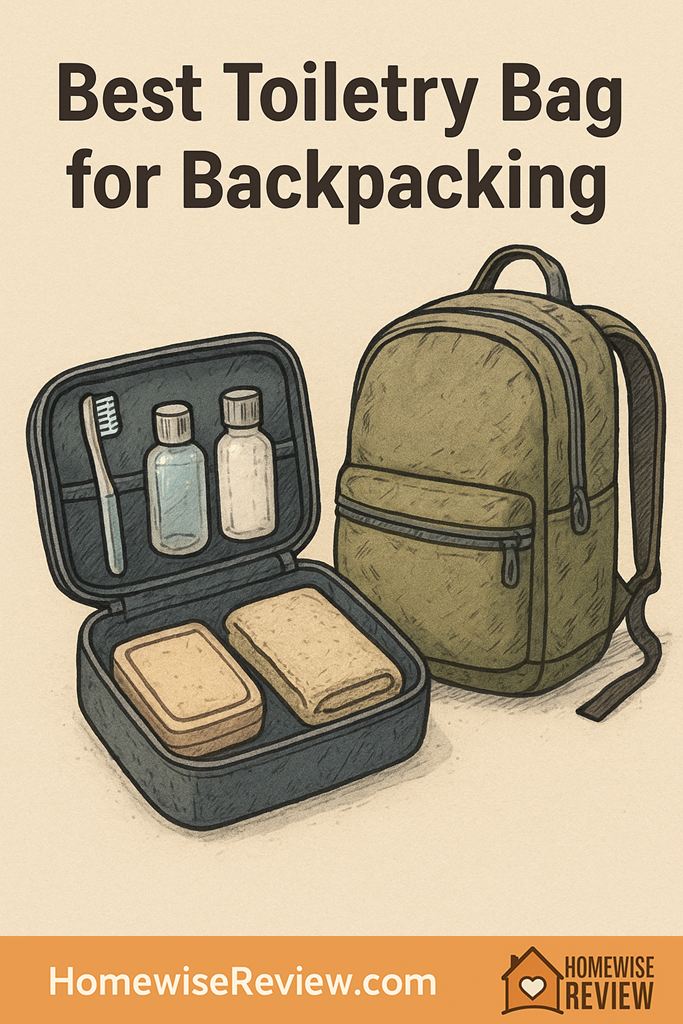
A good backpacking toiletry bag saves you from leaked shampoo, wet toothbrushes, and digging through your whole pack for one tiny item. These picks keep your kit compact, organized, and easy to use in real-world bathrooms and backcountry camps.
In-depth Reviews
Sea to Summit Hanging Toiletry Bag
- Smart organization that is easy to use one-handed
- Hangs well and stays open while you grab items
- Good balance of structure and packability
- More features than true minimalists want
- Hanging designs can feel bulky in very small packs
Osprey Ultralight Roll Organizer
- Roll layout makes items easy to see and access
- Hangs neatly in tight bathrooms
- Packs down flatter than many boxy toiletry bags
- Not ideal if you prefer one simple main compartment
- Can feel fiddly if you overpack the pockets
Matador FlatPak Toiletry Case
- Extremely packable and low bulk
- Handles damp environments better than many fabric pouches
- Perfect when you keep toiletries genuinely minimal
- Minimal organization inside
- Less convenient if you carry lots of small items
Deuter Wash Bag I
- Compact but still organized
- Hangs securely and stays accessible
- Practical layout for separating small essentials
- Not the lightest option if you are going ultralight
- Hanging shape can waste space if crammed sideways
REI Co-op Shower Roll
- Good organization for the price
- Easy to rinse and air-dry
- Simple roll-up packing for quick mornings
- Materials and hardware feel more basic
- Less polished organization than premium bags
Buying Guide
Trail-Pro Packing Tips: Keep It Clean, Dry, and Leak-Free
Think in “modules,” not products. The simplest system is a toiletry bag plus one small leak pouch inside it for anything that can spill (sunscreen, bug spray, toothpaste, liquid soap). That way, you can still choose a breathable or quick-dry toiletry bag without risking the whole kit if one cap loosens.
Make damp items intentional. If you carry a razor, toothbrush, or bar soap, pack a small vented holder or let it ride in a mesh pocket so it can actually dry. Sealing wet items in a totally airtight pouch is a recipe for that sour “travel bag smell,” especially on multi-day trips.
Don’t let your toiletry bag become a junk drawer. Backpacking bags work best when they are boring: just the essentials, always packed the same way. Do a quick reset at the end of each trip, restock your consumables, and wipe out any grit. It takes five minutes at home and saves a surprising amount of stress on the trail.
What Makes This Stand Out
This bag stays easy to use after you arrive, which is where a lot of lightweight toiletry bags fall apart. The Sea to Summit Hanging Toiletry Bag hangs open for one-handed access, keeps wet items separate, and still packs flat instead of turning into a hard, bulky block. If you unpack your kit every day in a tent, hostel, or small bathroom, that matters more than saving one more ounce.
💡 Editor’s Final Thoughts
Final Verdict: The Sea to Summit Hanging Toiletry Bag is my top pick because it balances low bulk with genuinely useful organization and a hang-anywhere setup. If you are counting every ounce and want the simplest, lightest system, the Matador FlatPak Toiletry Case is the cleanest way to go.
See also
If you want to shrink your toiletry kit even more, start with multitasking bath, body, and hair products and then streamline your liquids with makeup that works for carry-on only trips.
- Beauty routines that stay simple on work trips
- Hair product packing ideas for cold-weather travel
- Painless hair removal tools that travel well
Frequently Asked Questions ▾
What size toiletry bag is best for backpacking?
For most backpacking trips, smaller is better, as long as it still fits the basics without turning into a “stuff and smash” situation. A compact bag forces smart decisions like decanting into small bottles, choosing a solid shampoo bar, and bringing a travel toothbrush instead of a full electric setup. If you are doing longer trips between resupplies, you can go a bit larger, but the real goal is avoiding bulky, boxy bags that waste space and refuse to compress.
A helpful rule: if your toiletry bag can’t squish down when it’s half-full, it is probably too structured for backpacking.
Is a hanging toiletry bag actually useful in the backcountry?
Yes, if you regularly use campgrounds, hostel style bathrooms, or shared shower blocks. Hanging bags keep your items off questionable counters and make it easier to see what you have at a glance. They are also convenient at camp if you are brushing teeth and washing up at a water spigot or bear box area and want everything contained.
If you are mostly doing true backcountry and you keep toiletries minimal, a simple pouch can be more efficient. In that case, hanging features are “nice to have,” not essential, and you might prioritize a soft bag that packs flatter.
Waterproof vs. water-resistant: what should you choose?
Most backpackers are better served by water-resistant, quick-drying fabric plus smart leak control. A totally waterproof bag sounds ideal, but if something leaks inside, it can trap the mess and make it harder to dry out. Water-resistant fabric is usually lighter and dries faster after steamy showers or a damp bathroom floor moment.
That said, if you do lots of wet travel, river trips, or you want a bag that can safely ride next to a damp towel, a more waterproof style can be a great choice, especially if you also pack liquids in a small zip pouch inside the toiletry bag.
How do you prevent leaks from ruining your toiletry bag?
First, bring fewer liquids. Switch to solids where possible: shampoo bar, soap bar, toothpaste tablets, and a solid deodorant. For liquids you do bring, use leak-resistant travel bottles and do not fill them to the brim. Pressure changes and squeezing in a pack are what push product out through threads and caps.
Second, double contain the riskiest items. A tiny zip pouch or a reusable silicone pouch inside your toiletry bag is often enough to save the rest of your kit. Finally, store the bag upright in your pack if you can, and keep it in an outer pocket during travel days if you know a bottle is temperamental.
How do you clean and dry a toiletry bag on a long trip?
Empty it completely, shake out grit, and wipe the inside with a damp cloth (or a little soapy water if you had a leak). For mesh pockets, a quick scrub with a toothbrush works surprisingly well. Rinse thoroughly if you used soap, because leftover residue can attract dirt and make things feel grimy faster.
Drying matters more than most people think. Leave zippers open, turn pockets inside out if possible, and hang it where air can move. In humid climates, even “quick dry” fabric can stay damp if you keep it sealed up, so get in the habit of airing it out whenever you stop for the night.
As an Amazon Associate, we earn from qualifying purchases made through links on our site.