

Ergonomic wishbone that lasts for heavy chewers, grips easily, and produces less mess—swap it out once it shows heavy wear.
We may earn a small referral fee
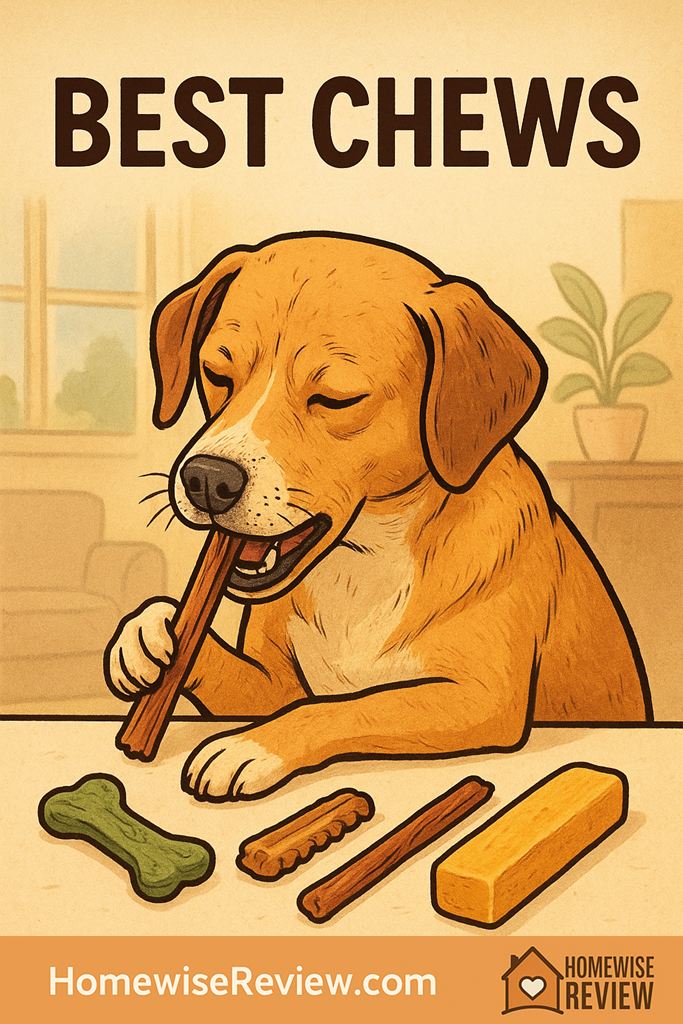
You want a chew that actually lasts, does not stink up your house, and will not turn into a scary choking hazard. These are the safest, most practical chews to buy when you need a confident pick fast.
In-depth Reviews
Benebone Wishbone Durable Dog Chew Toy
- Keeps dogs engaged longer than many basic chew toys
- Easy to grip and stabilize for steady chewing
- No mess compared with most edible chews
- Not a good fit for dogs who need edible chews
- Can wear down into sharp edges over time
Greenies Original Dental Treats for Dogs
- Consistent, easy daily habit for many households
- Encourages chewing with a softer, crumbly texture
- Widely available in multiple sizes
- Not long-lasting for power chewers
- Can be rich for some dogs if introduced too fast
Redbarn Bully Sticks
- Highly motivating for picky chewers
- Usually easier to digest than many traditional chews
- Great for structured enrichment sessions
- Can be smelly and messy depending on the dog
- Not ideal for dogs needing lower-calorie chews
Pawstruck Collagen Chews for Dogs
- Often lasts longer than typical soft treats
- Generally less brittle than many very hard chews
- Easy to portion for controlled chew time
- Still adds calories, especially for small dogs
- Some dogs can chew off big pieces if it is too thin
Himalayan Dog Chew Original Yak Cheese Dog Chew
- Typically long-lasting compared with many edible chews
- Lower mess than greasy or crumbly options
- Great for calm, focused enrichment
- Can be too hard for dogs prone to dental fractures
- Small end pieces can become a swallowing hazard
Buying Guide
Quick Safety Checklist: Chews Without the Regrets
Size up, supervise, and set a timer. Most chew problems happen at the end, when a chew gets small enough to swallow. Give chews when you can keep an eye on your dog, and pick them up once they are down to a nub. For edible chews like bully sticks, a simple holder can dramatically reduce the choking risk and slows down “gulpers.”
Match the chew to the teeth, not just the energy. Some dogs chew enthusiastically but have a history of broken teeth or sensitive gums. In those cases, prioritize a dental chew with a flexible texture or a gentler edible option like collagen, and keep sessions shorter. If you ever see bleeding gums, cracked teeth, or one-sided chewing, pause chews and get a vet dental check.
Rotate two to three chews to keep them effective. Dogs habituate quickly, so the “best chew” is often the one they have not seen in a few days. Keep one durable chew toy for daily gnawing, one dental chew for routine support, and one high-value edible chew for when you really need a calm, focused distraction. That rotation also helps you manage calories and reduces the odds your dog will obsess over a single item.
Worth Knowing Before You Buy
The main mistake is buying for chewing intensity instead of tooth tolerance. A dog can chew hard and still need a softer option if they have sensitive gums, broken teeth, or start chewing on one side. In those cases, skip very hard chew toys and choose a flexible dental chew or a softer edible like collagen.
💡 Editor’s Final Thoughts
Final Verdict: If you want one chew that fits the most real-life households, the Benebone Wishbone is our top pick because it lasts, is easy to keep on hand, and keeps many dogs satisfied without adding calories. If your main goal is cleaner teeth, pair a durable chew toy with a true dental chew like Greenies for the daily routine.
See also
If you are shopping for a younger dog, start with our guide to puppy chews, then compare gentler snack-style options in our best treats for senior dogs roundup.
- Tough toys for Pit Bulls that hold up to heavy chewing
- Durable toy picks for Labs who like to chomp and carry
- Healthy treat ideas for French Bulldogs with sensitive needs
Frequently Asked Questions ▾
What is the safest type of chew for dogs?
The safest chews are the ones your dog can handle at their size and chewing style, with you supervising and swapping it out when it gets risky. For edible chews, look for highly digestible options that soften with saliva and do not splinter easily (many dogs do well with quality bully sticks or collagen). For non-edible chews, choose a durable chew toy made for your dog’s weight class, and retire it once it has sharp edges or small chunks coming off.
Are hard chews bad for dogs’ teeth?
Very hard chews can crack teeth, especially for strong chewers or dogs who bite down with their back molars. A practical rule: if you cannot dent it with a firm fingernail, it may be too hard for many dogs. This is one reason some vets steer people away from weight-bearing bones and extra-hard products. If your dog has a history of dental fractures, choose a slightly softer edible chew (like collagen) or a dental chew with a more flexible texture, and keep sessions shorter.
How do I pick the right size chew?
Go bigger than you think. A chew should be long enough that your dog cannot fit the entire thing in their mouth, and thick enough that they cannot snap off large chunks quickly. Match the manufacturer’s size guidance to your dog’s weight, but also to their chewing intensity. If your dog tries to swallow the last few inches of an edible chew, use a bully stick holder or take it away when it gets down to a small nub to reduce choking risk.
How long should I let my dog chew each day?
For most dogs, a focused chew session is best kept to a controlled window, not an all-day free-for-all. Start with 10 to 20 minutes and see how their stomach and stools look over the next day, especially with richer edible chews. Daily dental chews often work best when given consistently, while long-lasting edible chews (bully sticks, yak chews) are better as a few-times-a-week activity. If your dog gets possessive, trade for a high-value treat and put the chew away between sessions.
As an Amazon Associate, we earn from qualifying purchases made through links on our site.