

Produces exceptionally clear, low-sediment coffee. Just pre-warm the glass to prevent thermal shock and protect the brewer.
We may earn a small referral fee
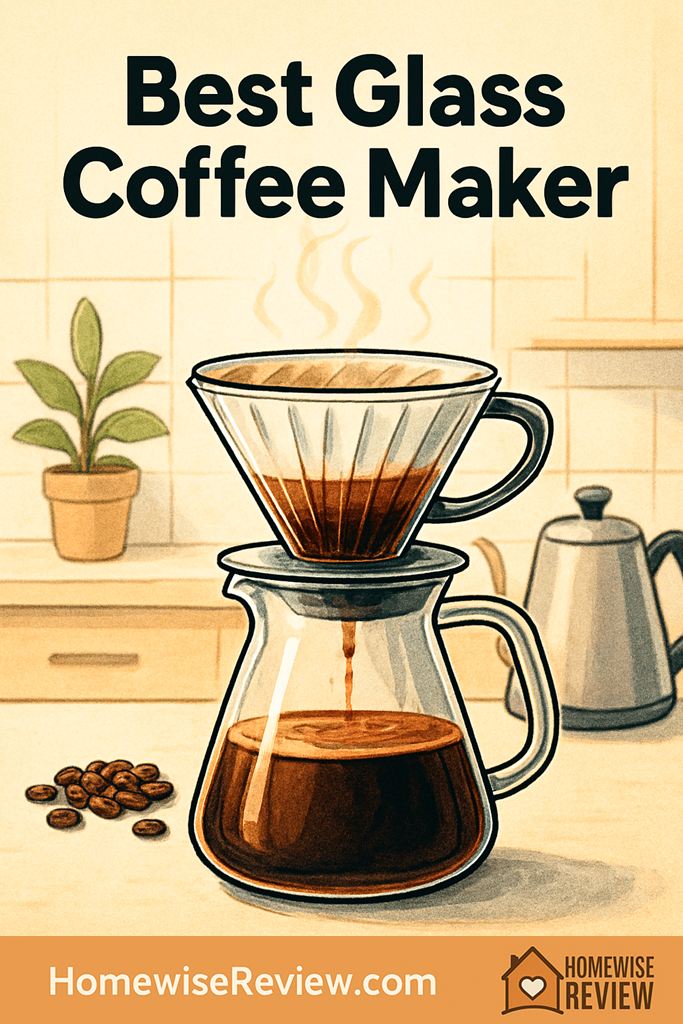
You want great coffee without weird aftertastes, plastic smells, or fussy cleanup. A solid glass coffee maker can deliver a cleaner cup and a more satisfying daily ritual.
In-depth Reviews
Chemex Classic Series Glass Pour-Over Coffee Maker
- Exceptionally clean, low-sediment cup
- Easy to see bloom and flow while brewing
- Fast cleanup with paper filters
- Paper filters add ongoing cost and need to be on hand
- Can feel slow if you want coffee with zero effort
Technivorm Moccamaster KBGV Select (Glass Carafe)
- Consistent, balanced drip coffee with minimal effort
- Quick morning workflow: fill, brew, pour
- Serviceable, long-term appliance feel
- Glass carafe coffee degrades if it sits on a hot plate too long
- Takes more space than manual glass brewers
Bodum Pour Over Coffee Maker with Permanent Filter
- No paper filters to buy
- Fuller-bodied flavor profile than most paper-filter brewers
- Simple parts, easy to store
- More sediment than paper filters
- Mesh filter needs thorough cleaning to stay fresh-tasting
Bodum Chambord French Press (Glass)
- Rich, full-bodied cup with strong aroma
- No filters required and minimal accessories
- Simple technique that becomes consistent quickly
- More sediment than pour-over
- Coffee stales quickly if left in the press
Yama Glass Stovetop Siphon Coffee Maker
- Smooth, clean flavor with a memorable presentation
- Enjoyable ritual if you like hands-on brewing
- Conversation-piece brewer that also performs
- More setup, monitoring, and cleanup than other methods
- Learning curve with heat management
Buying Guide
Quick Care Guide: Keep Glass Coffee Makers Clear, Odor-Free, and Uncracked
Prevent thermal shock. Most cracked glass stories come from temperature whiplash, not “bad glass.” Pre-warm the brewer or carafe with hot tap water, then brew. When you are done, do not rinse a hot brewer with cold water or set it on a cold, wet countertop; let it cool for a minute first.
Clean for taste, not just looks. Coffee oils cling to glass, mesh filters, and carafe lids, and that stale oil is what makes “yesterday’s coffee” smell show up early. A quick daily rinse helps, but a weekly deeper clean (especially for mesh filters and French press screens) keeps your next cup tasting bright instead of flat.
Fix mineral haze before it becomes permanent. If your glass looks cloudy, you are usually seeing scale from hard water. A short soak in a mild citric-acid solution, followed by a thorough rinse, restores clarity without aggressive scrubbing. If you are constantly fighting scale, improving your brewing water will do more for flavor and maintenance than switching brewers.
Worth Knowing Before You Buy
Most glass brewers do not crack because the glass is weak. They crack when you pour boiling water into a cold brewer or run cold water over a hot carafe, and mesh filters and French press screens make coffee taste flat fast if you only give them a quick rinse. If you want glass for a cleaner-tasting cup, buy it knowing you will need to pre-warm the brewer and deep-clean the filter parts more often than a basic drip machine.
💡 Editor’s Final Thoughts
Final verdict: The Chemex Classic Series is our top pick because it consistently delivers a clean, balanced cup and stays easy to live with when you brew it daily. If you want push-button mornings, the Technivorm Moccamaster gives you excellent drip coffee with a glass carafe and minimal fuss.
See also
For most glass brewers, a controlled pour matters, so start with our guide to electric kettles and consider a kitchen water filter if your coffee tastes flat or bitter no matter what you buy.
- Coffee accessories that actually improve your daily setup
- Kitchen gadgets that deserve a permanent spot
- Reliable kitchen tools you will reach for every week
Frequently Asked Questions ▾
Does glass make coffee taste better than plastic or stainless steel?
Glass is non-porous, so it is less likely to hold onto oils and odors that can dull flavor over time. It also avoids the occasional “new appliance” smell some people notice with certain plastics. That said, brew method and water quality make a bigger difference than material alone, so glass helps most when everything else is already reasonably dialed in.
Will a glass coffee maker crack if I pour in boiling water?
Most quality glass brewers use borosilicate glass, which handles heat changes better than standard soda-lime glass. Cracking usually comes from thermal shock, like pouring very hot water into a cold brewer or setting a hot carafe on a cold, wet surface. Pre-warm the brewer with hot tap water, dump it, then brew, and avoid sudden temperature swings.
Is a glass pour-over easier or harder than an automatic drip machine?
Pour-over is simple, but it is hands-on: you control the flow rate, where you pour, and how long the brew takes. That control can produce a cleaner, more nuanced cup, but it also means your results change if your grind or pour changes. If you want consistent coffee while you answer emails or pack lunches, a good drip machine with a glass carafe is usually the better fit.
How do I keep a glass coffee maker from getting brown stains or a stale smell?
Rinse immediately after brewing and do a deeper clean on a schedule before oils build up. For stains, a soak with warm water and a coffee equipment cleaner works fast, and a soft bottle brush keeps you from scrubbing aggressively. For mineral haze from hard water, a brief soak with a mild citric-acid solution can restore clarity, then rinse thoroughly.
Paper filter vs metal filter: which is best for glass brewers?
Paper filters typically produce a cleaner cup with less sediment and a lighter body, which many people prefer for pour-over. Metal filters let more oils and fine particles through, creating a heavier mouthfeel and stronger perceived richness. If you like bright, crisp coffee, go paper; if you like fuller texture and do not mind a little grit at the bottom of the cup, metal can be more satisfying.
As an Amazon Associate, we earn from qualifying purchases made through links on our site.