

Compresses soft layers, keeps clothes organized, and lets you grab tomorrow’s basics without digging through your pack.
We may earn a small referral fee
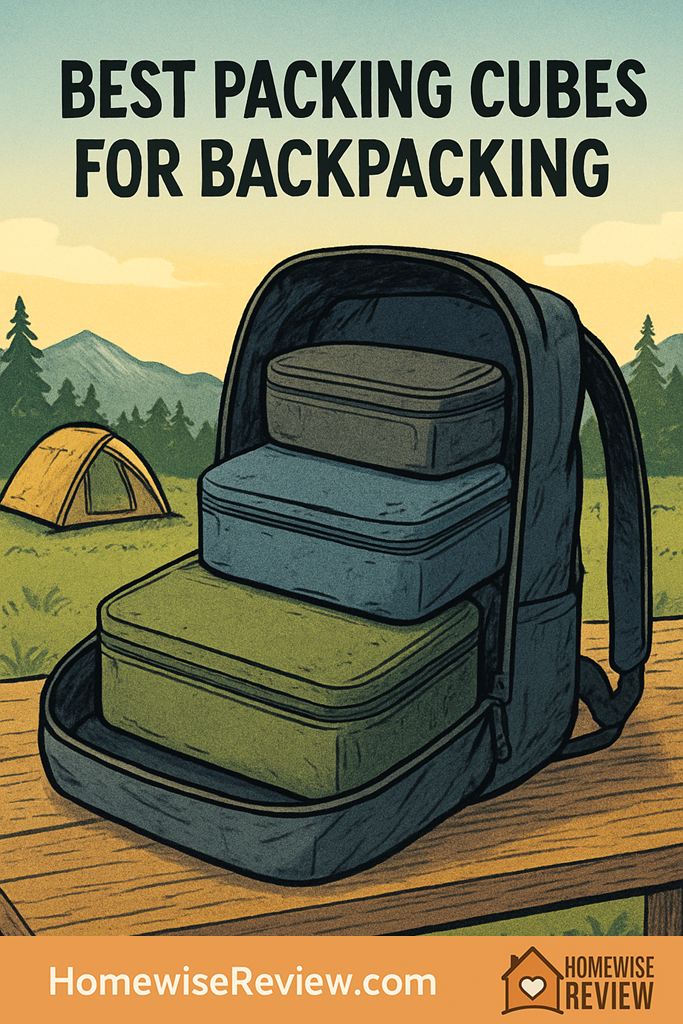
If your backpack turns into a rummaging pit every time you need one item, packing cubes fix that fast. These top picks help you stay organized, compress bulk, and pack and unpack in minutes on the trail or on the move.
In-depth Reviews
Eagle Creek Pack-It Isolate Compression Cube
- Compression actually reduces bulk for soft clothing
- Packs and unpacks quickly without snaggy fabric
- Holds a stable shape for stacking in a backpack
- Compression can tempt you to overpack and make the cube too dense
- Not ideal for sharp or hard items that can stress the zipper
Peak Design Packing Cube
- Built-in clean-dirty separation keeps your pack organized
- Wide access makes it easy to grab one item without unpacking
- Compression helps stabilize a soft load
- Heavier and more structured than minimalist cubes
- Best fit for clamshell-style packs, less ideal for very narrow packs
Osprey Ultralight Packing Cube Set
- Light, flexible cubes that fit odd spaces in a pack
- Mesh window makes contents easy to identify fast
- Multiple sizes help you build a consistent system
- No compression, so bulky clothes stay bulky
- Mesh can snag if you cram sharp-edged items
Sea to Summit Ultra-Sil Packing Cubes
- Extremely packable and low-bulk when empty
- Slick fabric makes it easy to slide cubes in and out
- Great for separating small clothing categories
- Not designed for heavy compression or rough handling
- Less structure means they can slump if half-full
Thule Compression Packing Cube
- Durable feel for frequent trips and hard use
- Compression helps stabilize a messy clothing load
- Keeps a more structured shape in the pack
- Heavier than minimalist fabric cubes
- Structure can waste a little space in very curved packs
Buying Guide
Trail-Tested Packing Cube Setup That Saves Space (Without Overthinking It)
Build your system around “when you need it,” not “what it is.” A simple backpacking setup is: one cube for hiking clothes, one for sleep clothes and underwear, and one small cube or pouch for warm layers. That way, you can set up camp, change, and find tomorrow’s basics without unpacking everything.
Don’t chase maximum compression. Over-compressed cubes get dense and awkward, and they stop fitting the natural curves of a backpack. Compress just enough that the cube holds a stable shape, then use the remaining “soft space” around it for items like a rain jacket, sandals, or food.
Do a 60-second reset each night. Put tomorrow’s outfit on top, move worn items to your dirty section or bag, and zip cubes fully before you stuff them in the pack. That tiny routine prevents zipper strain, makes mornings faster, and keeps your pack weight distributed more evenly.
What Most Reviews Miss
Maxing out compression makes packing worse, not better. When cubes get too dense, they turn into hard blocks that do not sit well against the curved sides of a 35L to 45L backpack, so you lose usable space and the bag gets harder to load. The better move is light compression that keeps each cube stable, then using the leftover gaps for a rain jacket, sandals, or food.
💡 Editor’s Final Thoughts
Final Verdict: The Eagle Creek Pack-It Isolate Compression Cube is our top pick for backpacking because it hits the sweet spot of real compression, low fuss packing, and dependable day-to-day use. If you want the most organized one-bag experience with clean-dirty separation, the Peak Design Packing Cube is the upgrade choice.
See also
Dial in a lighter, more reliable toiletry kit with our favorite organic sunscreens for travel and the best deodorants for stress sweat.
- Beauty routines that actually work for frequent work travel
- A simple under-$15 drugstore routine for dry body skin
- Hand creams that hold up to cold air, washes, and sanitizer
Frequently Asked Questions ▾
Are packing cubes worth it for backpacking?
Yes if you value fast access and consistency. For backpacking, cubes shine when you need to grab layers, a headlamp, or sleep clothes without exploding your whole pack. They also make it easier to keep “clean,” “dirty,” and “wet” items separated so you are not repacking constantly.
Do compression packing cubes actually save space?
They can, but mostly by flattening soft, lofty items like base layers, tees, underwear, and light insulation. Compression cubes do not magically shrink stiff items, and over-compressing can make cubes dense and harder to fit around a pack’s curves. The best use is moderate compression that turns a puffy pile into a stable, brick-like shape.
What cube sizes work best in a 35L to 45L backpack?
A practical setup is one medium cube for clothing, one small cube for socks and underwear, and either a second small cube or a slim cube for layers. If your pack is narrow, prioritize smaller cubes that can stack vertically. If your pack opens clamshell-style, one larger cube plus one small cube often packs more cleanly.
How do you handle dirty laundry with packing cubes?
Use a cube with a dedicated clean-dirty divider, or pack a lightweight laundry bag inside a cube and move items into it as you go. For damp items, keep a separate waterproof or water-resistant bag so moisture and odor do not spread. At the end of the day, a quick “reset” keeps tomorrow’s pack-up fast.
As an Amazon Associate, we earn from qualifying purchases made through links on our site.