

Balanced power and control for quick weekday chopping and sauces, plus easy cleanup and a stable base.
We may earn a small referral fee
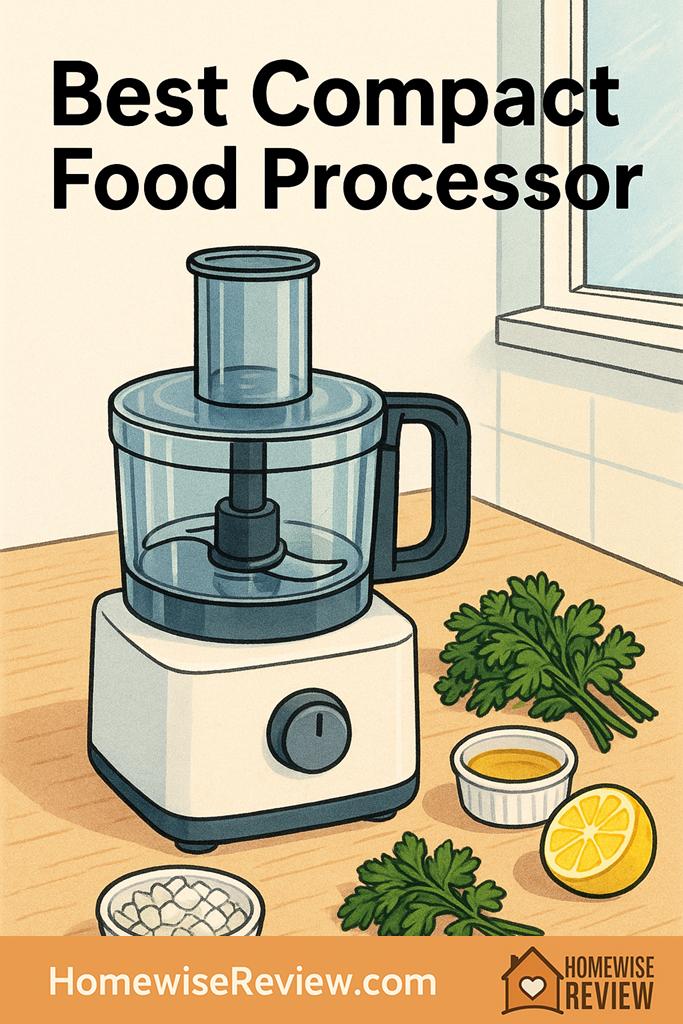
You want quick chopping and sauce-making without dragging out a full-size machine. These compact food processors deliver the speed and convenience that makes weeknight cooking easier.
In-depth Reviews
KitchenAid 3.5-Cup Mini Food Chopper (KFC3516)
- Reliable, even chopping with good control while pulsing
- Convenient for dressings and quick sauces
- Easy to rinse and reset between tasks
- Needs occasional scraping for sticky mixtures
- Not ideal for large, hard chunks unless pre-cut well
Cuisinart Mini-Prep Plus (DLC-2A)
- Good versatility for both chopping and grinding
- Strong performance on small prep jobs
- Simple, no-fuss controls
- Can smear or bruise delicate herbs if over-processed
- Small bowl means frequent batches for bigger recipes
Ninja Express Chop (NJ100GR)
- Very fast on firm ingredients like nuts and onions
- Simple pulse operation that feels intuitive
- Compact size that stores easily
- Over-processing happens quickly if you hold the button too long
- Small capacity limits batch size
Cuisinart 4-Cup Chopper Grinder (ECH-4SV)
- More headroom for dips, spreads, and thicker mixtures
- Less stopping to scrape compared with smaller bowls
- Handles small-batch meal prep efficiently
- Bigger footprint than true mini choppers
- Still not a replacement for slicing and shredding discs
Zyliss Easy Pull Food Chopper (Manual)
- No outlet needed, great for travel or small spaces
- Quiet and easy to control for coarse chops
- Good for quick prep without setup time
- Takes manual effort and can be uneven on tougher foods
- Not ideal for emulsifying smooth sauces
Buying Guide
Pro Tips: Get Better Results From a Compact Food Processor
Pre-cut matters more than you think. Mini bowls do not have much vertical space, so large chunks tend to pin themselves to the sides instead of circulating. Cut onions, carrots, cheese, or cooked chicken into similar-sized pieces before you start, then pulse to finish.
Pulse like a metronome, not a light switch. For clean chops, tap the pulse in short bursts and pause briefly between bursts so pieces fall back into the blade path. If you hold the button down, especially with herbs or nuts, the texture can jump from “perfect” to “paste” in seconds.
Use a two-step approach for sauces and dips. Chop dry ingredients first (garlic, herbs, nuts), then add wet ingredients and pulse again. For hummus-style dips, start with slightly warm chickpeas and scrape the bowl once, then pulse in the oil last to keep the texture creamy instead of heavy and smeary.
💡 Editor’s Final Thoughts
Final verdict: The KitchenAid 3.5-Cup Mini Food Chopper is our top pick because it consistently nails everyday prep, handles sauces cleanly, and is simple enough that you will actually use it. If you want a little more breathing room for dips and small-batch meal prep, step up to the Cuisinart 4-Cup Chopper Grinder.
See also
If you are building a small-appliance lineup that truly earns its spot, start with the best kitchen gadgets that actually earn counter space and keep your prep zone efficient with our guide to kitchen organizers.
- Kitchen tools home cooks reach for every day
- Everyday kitchen accessories that upgrade your routine
- Best home juicers for green juice, citrus, and smoothies
Frequently Asked Questions ▾
What is the difference between a compact food processor and a mini chopper?
In practice, most “compact food processors” in this size range are mini choppers with an S-blade, designed for quick chopping, grinding, and simple mixes. A true full food processor usually adds a larger bowl plus slicing and shredding discs, and it handles bigger volumes with less stopping and scraping. If you mainly need onions, herbs, salsa, dressings, and nuts, a compact model is often the better, easier-to-clean tool.
What size counts as “compact” for a food processor?
For most kitchens, compact means roughly 2 to 5 cups of bowl capacity. That is big enough for a batch of pico de gallo, a small bowl of hummus, or chopping aromatics for a recipe, while still fitting easily in a cabinet. If you routinely cook for four or do batch prep, go closer to 4 to 5 cups so you do not have to work in multiple rounds.
Can a compact food processor make pesto, chimichurri, or salad dressing?
Yes, and these are some of the best uses for a compact unit. For pesto and herb sauces, pulse in short bursts so the herbs stay bright and textured, then stream oil slowly if your lid design allows it. For dressings, a smaller bowl can actually help emulsify because the liquid stays closer to the blade, but you may need to stop once or twice to scrape down the sides.
Why does my mini processor sometimes turn ingredients into paste?
Compact bowls keep food close to the blade, so results change quickly, especially with herbs, garlic, and nuts. Use the pulse button instead of continuous running, and stop while pieces still look slightly larger than your goal because carryover chopping continues for a moment. Also avoid overfilling, since packed ingredients do not circulate well and can smear along the bowl walls.
Is it okay to grind coffee or hard spices in a compact food processor?
You can, but it is rarely the best tool for consistent results. Compact processors tend to create a mix of fine powder and larger chunks unless you sift, and strong flavors can linger in plastic bowls and lids. If you do it anyway, grind small amounts, clean immediately, and consider keeping a dedicated blade or bowl for spices so your next batch of onions does not taste like cumin.
As an Amazon Associate, we earn from qualifying purchases made through links on our site.