

Instantly blurs pores and controls shine for a soft, camera-ready finish. Press only where you get oily to avoid a flat look.
We may earn a small referral fee
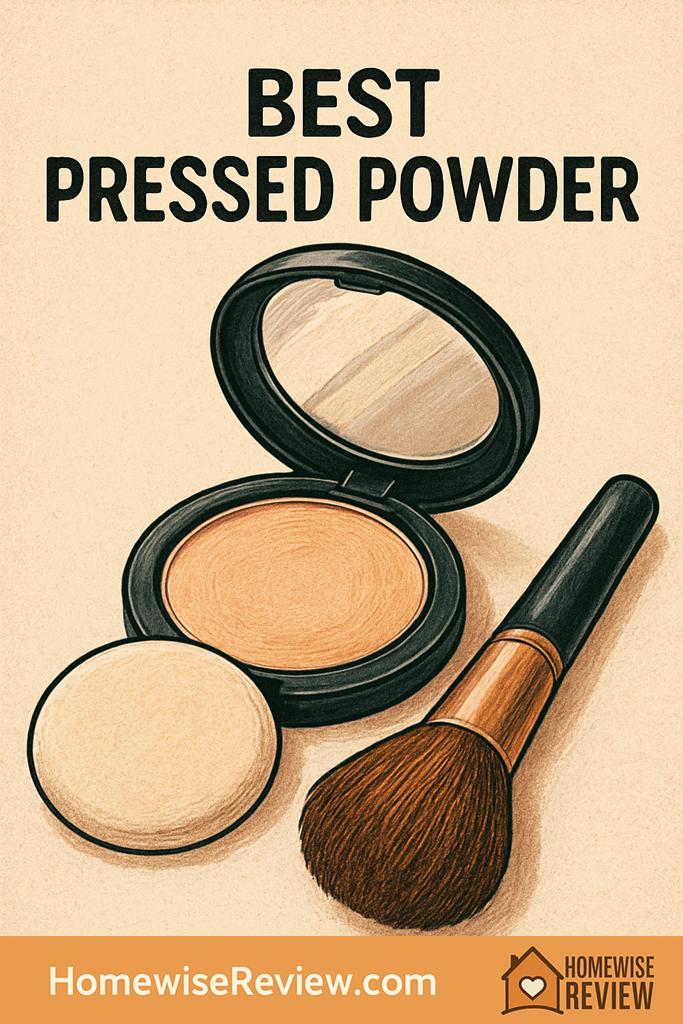
The best pressed powders smooth shine, blur texture, and make touch-ups look cleaner, not heavier. These standout compacts are the strongest options for setting makeup, refining the look of pores, and keeping skin polished without tipping into a dry, cakey finish.
In-depth Reviews
Charlotte Tilbury Airbrush Flawless Finish Setting Powder
- Quickly blurs the look of texture and pores
- Touch-ups tend to stay smooth instead of building up heavily
- Gives makeup a refined finish without obvious coverage
- Shade range is more limited than many competitors
- Can read too matte if applied all over dry skin
Kosas Cloud Set Baked Setting + Smoothing Powder
- More comfortable-looking on dry or dehydrated areas
- Soft-focus finish without heavy coverage
- Works well for light, natural-looking touch-ups
- Oil control may not be enough for very oily skin
- Can require more frequent touch-ups in heat or humidity
NARS Light Reflecting Pressed Setting Powder
- Sets makeup while keeping a natural-looking finish
- Especially useful around concealer and under-eye areas
- Less likely than many matte powders to look flat in photos
- Shade options are limited, especially for deeper skin tones
- May feel too subtle if you want stronger oil control
Maybelline Fit Me Matte + Poreless Pressed Powder
- Good shine control for the price
- Fast, easy touch-ups with minimal fuss
- Widely available in a broad shade range
- Can emphasize dry patches if layered too heavily
- Less blurring and refinement than pricier formulas
Fenty Beauty Pro Filt’r Soft Matte Powder Foundation
- Buildable coverage that can replace foundation for some routines
- Useful for touch-ups when you also want extra coverage
- Helps control shine while evening out the complexion
- Can look heavy if overapplied on dry or textured areas
- Usually looks best with solid skin prep underneath
Buying Guide
Pressed Powder Pro Moves: Set, Blur, and Touch Up Without Caking
Blot first, powder second. Applying powder directly over oil often creates a thicker layer that looks textured by the end of the day. Press a tissue or blotting paper onto shiny areas first, then add powder only where you still need it.
Press instead of swiping. Swiping can move foundation underneath, especially around the nose, cheeks, and chin. For setting and touch-ups, gently press powder on with a puff or sponge, then soften the edges with a clean fluffy brush if needed.
Use the least powder on high-movement areas. Under-eyes, smile lines, and around the mouth are where cakiness tends to show up fastest. A very small amount goes a long way there, and in some cases it is better to skip those spots and focus on the center of the face instead.
💡 Editor’s Final Thoughts
Final verdict: If you want the safest all-around pick for smoothing, setting, and clean-looking touch-ups, Charlotte Tilbury Airbrush Flawless Finish remains the best choice in this group. If your priority is a more natural finish that is less likely to emphasize dryness, Kosas Cloud Set is the better match.
What is the difference between pressed powder and loose powder?
Pressed powder is compacted into a pan, which makes it easier to carry, less messy to use, and more convenient for touch-ups. Loose powder is often lighter and finer, so it can be a better fit for setting a full face at home. In general, pressed powder is the more practical option for on-the-go shine control, while loose powder can give a softer all-over set if you do not mind the extra mess.
Why does pressed powder look cakey on me?
The most common reasons are using too much, applying it over oil, or putting it on top of dry texture. Blot first, then apply a thin layer only where you need it, usually the T-zone and around the nose. If your skin is dry or textured, a more skin-like formula and a fluffy brush can help keep the finish lighter.
Should I use pressed powder before or after setting spray?
Usually before. Pressed powder helps set cream products and reduce surface shine, and setting spray can then help everything look more blended and less powdery. If you accidentally over-powder, a light mist afterward can make the finish look more natural again.
How do I touch up without disturbing my makeup underneath?
Start by blotting away oil so you are not layering powder over shine. Then press a small amount of powder onto the center of the face or any shiny areas instead of swiping it across the skin. If makeup has already separated in one spot, it can help to smooth or correct that area first, then add a small amount of powder on top.
Is a pressed powder foundation the same thing as a setting powder?
No. Setting powders are usually sheer and meant to lock in cream products without adding much coverage. Powder foundations are designed to even out skin tone and can sometimes replace liquid foundation, but they can also look heavier if used the same way as a setting powder. If you want both coverage and oil control, a powder foundation can make sense, but it usually needs a lighter hand on dry areas.
As an Amazon Associate, we earn from qualifying purchases made through links on our site.
See also
If you want to compare nearby options, start with Beginners Guide Cream Vs Powder Mature Skin and Bareminerals Mineral Veil Translucent Loose Setting Powder Review for closely related picks and buying angles.
You can also check Covergirl Outlast Extreme Wear Powder Review Lock In For Oily T Zones, Hourglass Ambient Lighting Powder Review and Laura Mercier Translucent Loose Setting Powder Ultra Blur Review if you want a broader set of alternatives before deciding.