

Wide chute and precise discs deliver fast, uniform slicing, shredding, and dough work for heavy daily prep without constant babysitting.
We may earn a small referral fee
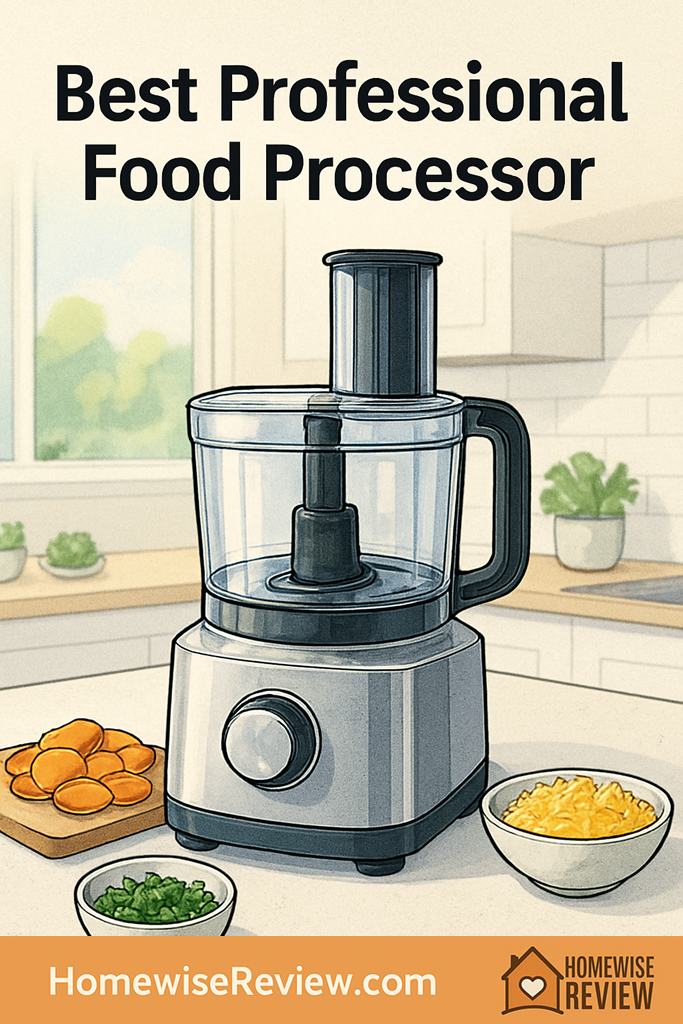
Chopping is easy. Fast, consistent slicing, shredding, and dough work without stalling or leaking is what separates a professional food processor from an average one.
In-depth Reviews
Breville Sous Chef 16 Pro (BFP800XL)
- Consistently even slicing and shredding with less bouncing
- Strong, steady performance on dense prep and bigger batches
- Precise pulsing for controlled chopping and emulsions
- Takes up real counter and cabinet space
- More parts to store and wash than simpler models
Cuisinart Custom 14-Cup Food Processor (DFP-14BCNY)
- Reliable chopping and shredding for everyday heavy use
- Simple controls make it fast to operate
- Strong results for sauces, dips, and bulk prep
- Less refined feed-chute workflow than premium models
- Fewer included specialty discs out of the box
Magimix 5200XL Food Processor
- Multi-bowl workflow is excellent for big prep sessions
- Smooth, steady processing for purées and sauces
- Strong build that handles repeated use well
- Storage footprint is larger because of multiple bowls and parts
- Not the cheapest path to truly pro-level performance
Robot Coupe R2N Continuous Feed Food Processor
- Excellent for continuous slicing and shredding at volume
- Purpose-built durability and stability under heavy use
- Efficient workflow for bulk vegetable prep
- Overkill for occasional cooking or small batches
- Louder and more utilitarian than home-focused models
KitchenAid 13-Cup Food Processor (KFP1318)
- Smooth, controlled slicing with easy adjustability
- Fast to assemble and use for everyday prep
- Good all-around performance for dips, chopping, and shredding
- Not the strongest choice for very dense doughs
- Fewer “pro kit” extras than premium bundles
Buying Guide
What We Wish We Knew Before Buying a Pro Food Processor
“Bigger” is not always “faster” unless the feed chute and discs are good. Bowl size matters, but the real time-saver is how quickly you can feed ingredients and how consistently the machine slices once they hit the disc. A wide chute helps, but only if the pusher holds food steady and the disc cuts cleanly instead of grabbing and skipping. If you do lots of cucumber, potato, and onion work, prioritize slicing performance and feed control over extra attachments you will rarely touch.
Plan your storage and cleanup like part of the purchase. Pro-style processors usually come with multiple discs, blades, and pushers. If those parts live in a messy box, you will use the machine less, even if it performs beautifully. Before buying, decide where discs will live (flat, protected, and easy to grab), and set a simple cleanup routine: quick rinse right after use, then a thorough wash when you are done cooking. This one habit prevents cloudy plastic, lingering onion smell, and the slippery film that makes bowls feel “never quite clean.”
Use technique to get better results, not more power. For clean chops, pulse in short bursts and stop early to scrape once, rather than running long and hoping it evens out. For emulsions like mayo or vinaigrettes, start with ingredients at a consistent temperature and add oil steadily so the mixture thickens instead of breaking and turning thin. For shredding, chill soft cheeses briefly so they shred instead of smearing, and cut blocks to fit the chute so you are not forcing awkward angles that lead to uneven output.
💡 Editor’s Final Thoughts
Final verdict: The Breville Sous Chef 16 Pro is the top pick for most serious home cooks because it combines strong real-world power with precise slicing and a workflow that makes big prep feel controlled, not chaotic. If you want classic reliability at a better price, the Cuisinart Custom 14 remains a standout, while Robot Coupe is the choice when you want true commercial toughness at home.
See also
For the rest of your prep setup, start with Best kitchen tools every home cook uses and pair it with our guide to kitchen accessories to round out your station.
- Kitchen scales worth buying for baking and meal prep
- Kitchen gadgets that truly earn counter space
- Time-saving kitchen gadgets for busy moms
Frequently Asked Questions ▾
What makes a food processor “professional,” not just “big”?
Professional-level performance is about torque under load, stable speed, and precise results. When you feed in dense carrots, hard cheese, or a big pile of onions, a pro machine keeps pulling food into the blade or disc instead of bouncing, stalling, or leaving uneven chunks.
It also comes down to workflow: a wide feed chute, discs that sit flat and don’t wobble, a bowl and lid that seal well, and controls you can use quickly. Durability matters, too, including parts that still fit properly after lots of locking and unlocking.
What size food processor is best for serious home cooking?
For most households that want true “pro” capability, the sweet spot is a large bowl size that can handle batch tasks like shredding a block of cheese, slicing vegetables for a week, or mixing a sturdy dough. Bigger bowls also tend to come with larger feed chutes and stronger drive systems.
If you frequently prep small amounts, a large machine can still work, but you may want a model with a smaller “mini” bowl (or plan to do tiny jobs with a knife or mini chopper). Tiny portions like one clove of garlic can smear instead of chopping cleanly in a full-size bowl.
Can a professional food processor replace a stand mixer?
For some dough tasks, yes. A strong processor can make pie dough, biscuits, and quick bread-style mixes exceptionally well because it cuts fat into flour quickly and evenly. It is also great for mixing pâte à choux or blending thick fillings and nut pastes.
For yeast doughs that need long kneading, frequent batching, or very large quantities, a stand mixer is still the better tool. A processor can heat dough faster due to friction, which matters if you are trying to hit a specific dough temperature or avoid overworking it.
Why do my slices come out uneven, and how do I fix it?
Uneven slices usually come from one of three issues: inconsistent pressure in the feed chute, a disc that is not seated firmly, or produce that is not shaped to feed straight. Even a great machine can only slice as evenly as the ingredient feeds.
- Use the right pusher. If your model has a smaller inner pusher, use it for thin items like celery, scallions, and carrots so they do not tip.
- Trim for stability. Square off one side of round vegetables (like zucchini) so they do not roll as they feed.
- Don’t force it. Steady, moderate pressure tends to produce the most consistent thickness, especially on adjustable slicers.
How do I keep a pro food processor working like new (and avoid nasty smells)?
Rinse right after use, especially after garlic, onions, and emulsions. Oils and aromatics cling to plastic and gaskets, and waiting makes odors harder to remove. If you cannot wash immediately, at least fill the bowl with warm soapy water and let it sit a few minutes.
For long-term performance, keep discs and blades sharp and stored safely so edges do not bang into each other. Also check the bowl and lid alignment over time. If locking feels “off,” stop and inspect for tiny cracks or warped plastic, since a poor seal can lead to leaks and messy emulsions.
As an Amazon Associate, we earn from qualifying purchases made through links on our site.