

Carries heavy loads comfortably with a supportive harness and clamshell packing—built to survive real travel, not just weekend use.
We may earn a small referral fee
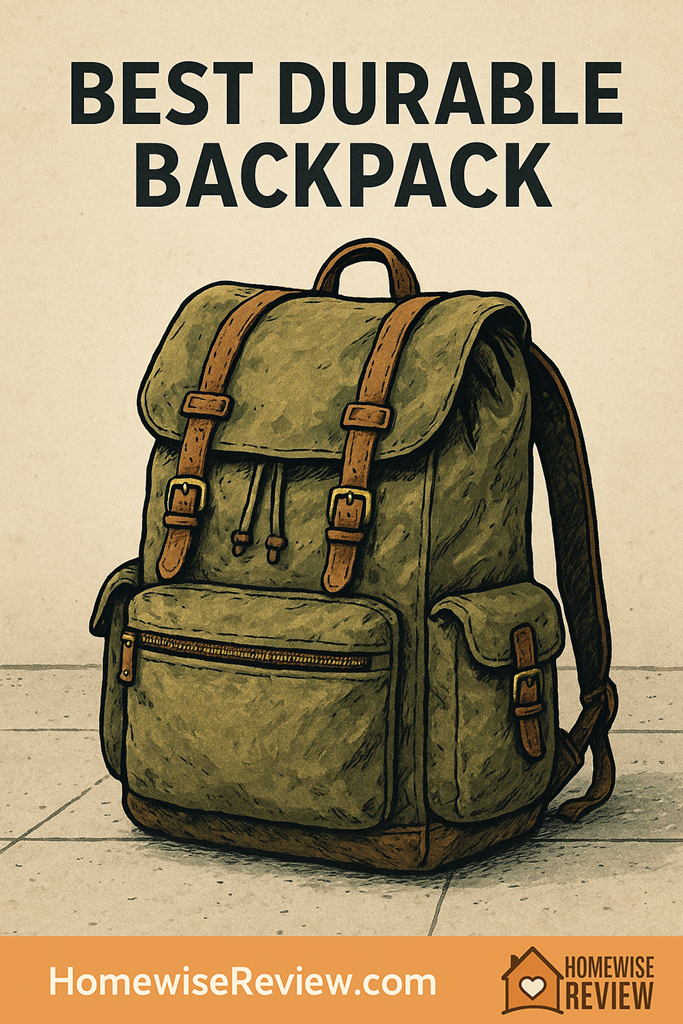
You want one backpack that can take a beating, stay comfortable when fully loaded, and not fall apart mid-trip. These durable picks are built for real travel, not gentle weekends.
In-depth Reviews
Osprey Farpoint 40 Travel Pack
- Excellent carry comfort when fully loaded
- Easy clamshell packing that stays organized
- Built to handle repeated travel abuse
- Less quick-access organization than some urban travel packs
- Can feel a bit boxy for everyday use
Patagonia Black Hole Pack 32L
- Handles rain and scuffs better than most daypacks
- Simple layout that is quick to live out of
- Tough exterior that wipes clean easily
- Stiffer fabric can feel less pliable when packing
- Organization is intentionally minimal
Aer Travel Pack 3
- Outstanding pocket layout for tech and essentials
- Structured build keeps the pack from collapsing
- Smooth access to key compartments on the move
- Heavier than simpler travel packs
- More structure means less “stuff anywhere” flexibility
GORUCK GR2 (34L)
- Extremely abrasion-resistant build for years of use
- Carries heavy loads with impressive stability
- Practical clamshell layout with durable internals
- Heavy compared with most travel backpacks
- Stiff feel until it breaks in
The North Face Recon Backpack
- Comfortable harness for everyday carry
- Useful organization that stays intuitive
- Solid durability without a premium-pack feel
- Less abrasion resistance than true heavy-duty builds
- External straps can snag if left loose
Buying Guide
Quick Care Guide: Make a Durable Backpack Last Even Longer
Keep zippers happy. Most “my backpack broke” stories start with a zipper that was forced around an overpacked corner. Pack heavier items flat against the back panel, avoid bulging the front panel, and occasionally brush grit out of the zipper coil with an old toothbrush.
Spot-clean, do not soak. For most travel packs, a damp cloth plus a small amount of mild soap is safer than a full wash. Let it dry fully with compartments open. Storing a bag even slightly damp can shorten the life of coatings and make fabrics smell permanently “travel-y.”
Fix small issues early. Snip loose threads (do not pull them), add a patch before a tiny abrasion becomes a hole, and tighten strap keepers so dangling webbing does not get caught in doors or escalators. Five minutes of maintenance can prevent the kind of damage that ruins a trip.
💡 Editor’s Final Thoughts
Final Verdict: The Osprey Farpoint 40 is our top pick because it balances real travel durability with a harness that stays comfortable when the bag is actually full. If you want a tougher, simpler lifetime workhorse and do not mind weight, the GORUCK GR2 is the long-game choice.
What “durable” actually means in a travel backpack
Durability is not just thick fabric. A truly durable backpack survives the stress points that kill most bags: zippers forced around overstuffed corners, shoulder straps pulling away from the body, and abrasion from concrete, seat rails, and overhead bins.
When you are comparing options, pay attention to the whole build. A great pack combines tough fabric, strong stitching, dependable zippers, and a harness that carries weight without shifting or sagging over time.
Key durability features worth prioritizing
- Proven zipper hardware: Smooth, consistent track movement matters more than fancy pulls. If a zipper feels gritty or catches, it is a long-term red flag.
- Reinforced stress points: Look for visible bar tacks and extra stitching where shoulder straps meet the bag and where grab handles attach.
- Fabric that matches your use: Heavier fabrics resist abrasion better, while coated fabrics handle rain and spills better. Decide which failure mode you are most likely to face.
- A frame sheet or structure: Not required, but structure keeps a loaded bag from collapsing into uncomfortable lumps and reduces zipper strain at the corners.
- Repair support: A solid warranty and repair program is part of durability, because it keeps a great bag in service after the first hard season.
How we picked these durable backpacks
This list is focused on adult travel and daily use: airport sprints, train commutes, road trips, and overhead bins. The picks below were chosen for reliable carry comfort, durable materials and construction, and layouts that work when you are actually moving through a day, not just packing at home.
We also prioritized brands and models with a long track record. A backpack earns “durable” status when it holds up across years of real use, not just a few months of careful ownership.
How to sanity-check a backpack before you commit
If you can see the backpack in person, do a quick stress test. Load it with a few heavy items, put it on, and walk around for five minutes. Your shoulders and lower back will tell you more than any spec sheet.
- Grab-handle test: Lift the bag by the top handle with some weight inside. It should feel secure and not twist or creak at the attachment point.
- Zip-around test: Open and close every zipper path with one hand. A durable zipper should not require two hands and a prayer.
- Harness fit check: The straps should contour without biting, and the bag should not slump away from your back as you move.
- Interior seam check: Turn it inside-out as much as you can and look for clean seam binding and reinforcement at corners.
See also
If you are dialing in a carry-on setup, start with makeup for carry-on trips and keep your kit streamlined with multipurpose travel beauty products.
- A portable travel steamer kit for wrinkle control
- A simple long-haul flight routine that stays sanitary
- Portable Bluetooth speaker ideas for trips and everyday
Frequently Asked Questions ▾
What’s more important for durability: fabric or zippers?
Zippers are the most common failure point, especially on travel packs that get overstuffed. Great fabric helps, but a pack with mediocre zippers will still frustrate you fast. Prioritize smooth, consistent zips and reinforced zipper seams, then compare fabric toughness and coatings second.
Is a heavier backpack always more durable?
Not always. Extra weight can come from added organization panels, padding, and structure, which may improve longevity but can also add more seams and failure points. The best signal is build quality: reinforced stress points, strong stitching, and hardware that feels confident under load.
Do I need a rain cover for a “durable” backpack?
Durable does not automatically mean waterproof. Many tough packs resist light rain, but extended exposure can still soak seams and zippers. If you regularly walk in bad weather or set your bag down on wet surfaces, a rain cover or a waterproof liner is a smart add-on.
What size is most practical for a durable travel backpack?
For most adults who want one bag that can travel and still work day-to-day, a mid-size range is the sweet spot. It is large enough to pack efficiently but not so big that you have to overbuild your packing system or fight the bag’s bulk on transit days.
How can I make any backpack last longer?
Do not overload it, keep the zippers clean, and avoid forcing the bag shut when corners are packed tight. Store it dry, wipe off grit that eats fabric over time, and address small issues early, like loose threads or a sticky zipper track, before they turn into failures.
As an Amazon Associate, we earn from qualifying purchases made through links on our site.