

Sealed ports and dependable 35 Wh capacity keep phones charging through rain, splashes, and wet backpacks.
We may earn a small referral fee
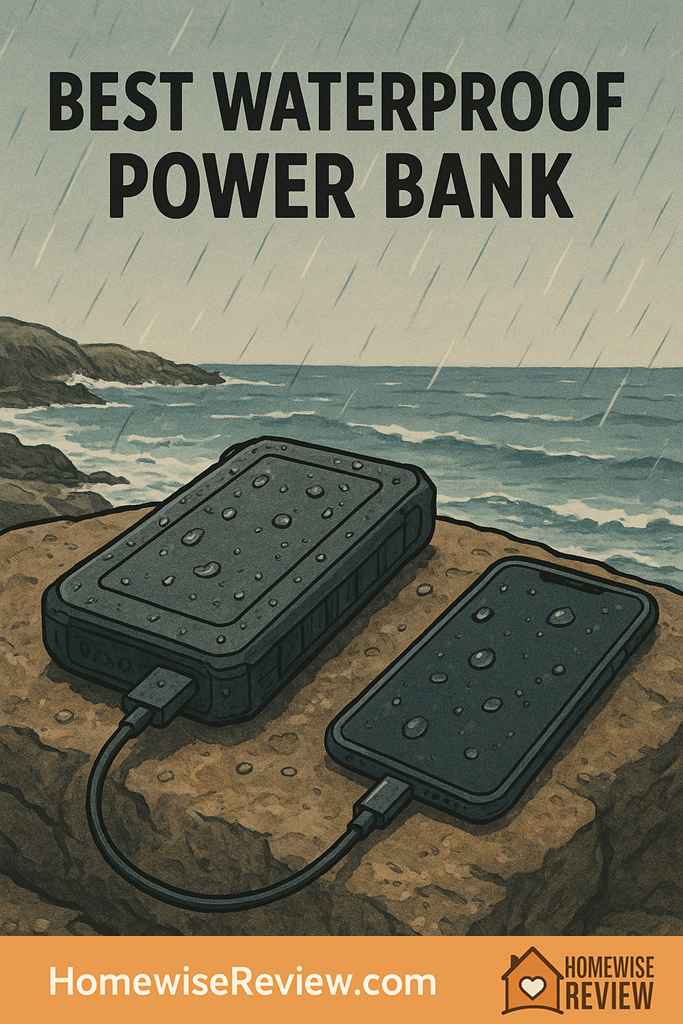
Rain, salt spray, and accidental dunks can kill a normal power bank fast. These waterproof picks are built to keep charging when your trip gets wet, messy, or unpredictable.
In-depth Reviews
Goal Zero Venture 35
- Port sealing feels dependable for real outdoor use
- Steady, predictable charging with common devices
- Easy to handle with wet hands and gloves
- Not the most compact option for tight pockets
- Charging speed is solid, but not class-leading
Dark Energy Poseidon Pro
- Outstanding durability for drops and rough packs
- Strong real-world charging for demanding devices
- Confidence-inspiring sealing for messy conditions
- Heavier and thicker than most travel banks
- Typically priced higher than mainstream options
Nitecore NPB2
- Easy to carry all day without feeling weighed down
- Waterproof build suits hiking, running, and wet commutes
- Simple, low-fuss charging experience
- Fewer ports than larger rugged models
- Not ideal for charging multiple devices at once
NESTOUT Outdoor Battery 10000
- Sealed design is well-suited to damp, gritty days
- Reliable performance for everyday phone charging
- Feels comfortable to clip, stash, and grab quickly
- Not the best pick if you need the fastest USB-C charging
- Availability can be inconsistent depending on region
myCharge Adventure H2O Max
- User-friendly for casual travel and family sharing
- Sturdy build works well in totes and day bags
- Good peace of mind around splashes and sudden rain
- Bulkier than sleek commuter power banks
- Not the top choice for high-speed laptop charging
Buying Guide
Travel Packing Tips: Keep It Waterproof in Real Life
Waterproof only counts when the ports are sealed. The most common mistake is charging in drizzle with the cover open, then assuming the unit is still protected. If you need to charge while walking in the rain, route the cable and bank inside your jacket or bag and keep the connection point dry. Treat “open port time” like open sunscreen: minimize it.
Salt and sand are seal killers. Before you snap the cover shut, run a fingertip around the edge and remove grit. If you were near ocean spray, wipe the exterior, let it dry fully, and only then open the flap in a clean place. Storing a damp power bank with the cover open invites corrosion inside the port over time.
Pack one short cable in a zip pouch. A waterproof bank does not help much if your cable ends up wet, gritty, or kinked. A dedicated pouch keeps connectors clean, speeds up charging in airports, and reduces the urge to open the port flap repeatedly in messy environments.
💡 Editor’s Final Thoughts
Final Verdict: The Goal Zero Venture 35 is the best waterproof power bank for most travelers because it balances trustworthy sealing with practical, no-drama charging you can rely on in real weather. If your priority is maximum toughness and you do not mind extra bulk, the Dark Energy Poseidon Pro is the rugged upgrade.
See also
If you are tightening your packing list, start with our roundup of tech and beauty tools that simplify mornings so your essentials earn their space.
- Travel hair dryers that actually work in small bathrooms
- Carry-on makeup picks for streamlined, leak-resistant packing
- Portable fans and cooling gadgets for overheated sleepers
- Bedroom mini fridges that are quiet and genuinely useful
Frequently Asked Questions ▾
What does “waterproof” actually mean for a power bank?
Look for an IP rating, not vague terms like “water-resistant.” For travel, IP67 or IP68 is the sweet spot: it signals sealed protection against dust and meaningful water exposure. That said, “waterproof” usually assumes all port covers are fully closed and latched. If you are charging with a cable plugged in, the device is no longer sealed, so treat it like a normal power bank and keep it dry.
Is a waterproof power bank safe to use at the beach or on a boat?
Yes, but saltwater is harsher than fresh water. Even with strong sealing, salt spray can crust around port flaps and lanyard points, which can compromise the seal over time. After a beach day, wipe the exterior with a slightly damp cloth and then dry it thoroughly before opening any covers. Also avoid leaving it baking in direct sun, since heat can stress battery cells and shorten lifespan.
Can I bring a waterproof power bank on a plane?
In the U.S., power banks are typically allowed in carry-on baggage, not checked bags, because they contain lithium batteries. Most travel-friendly models are sized under common airline limits, but the safest move is to confirm the watt-hour rating on the label and keep it comfortably below typical thresholds. Keep it in your personal item, and avoid packing it where the button can be pressed repeatedly during flight.
How much capacity do I really need for travel?
Choose capacity based on how often you will be away from an outlet and what you are charging. For most trips, a mid-size waterproof bank is enough for phones, earbuds, and a smartwatch with some breathing room. If you are also topping up an action camera, GPS device, or you are sharing with a partner, stepping up in capacity reduces stress. Just remember that higher capacity often means more weight and slower pocket access.
How do I keep the waterproof seal from failing over time?
The seal usually fails from small habits: opening port covers with sandy hands, leaving covers half-latched, or storing it with grit trapped in the flap. Before you close the cover, visually check for lint or sand and wipe the edge clean. Let the unit dry completely if it got wet, then open the port cover in a clean, dry place. If a flap starts to feel loose or warped, stop trusting it around water and use it only in dry conditions.
As an Amazon Associate, we earn from qualifying purchases made through links on our site.