

Lifts loose hair and dirt gently—perfect for quick shed control, bath use, and a calm first pass before detangling.
We may earn a small referral fee
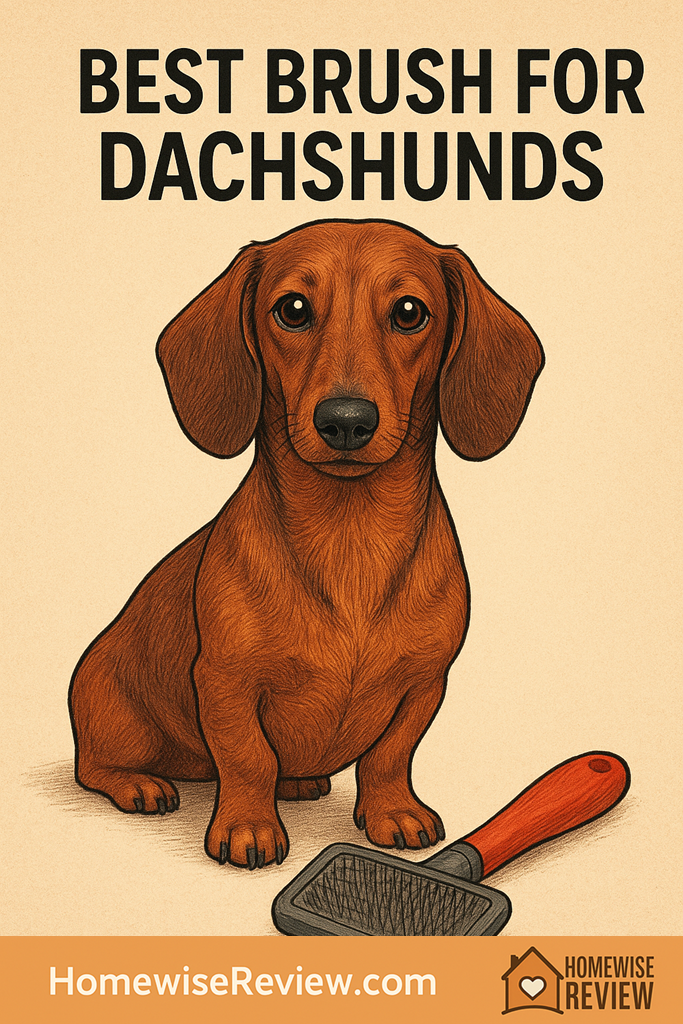
Dachshunds shed, track in grit, and can mat quickly in feathering and beard areas. The right brush keeps their coat neat without irritating sensitive skin or making grooming a wrestling match.
In-depth Reviews
KONG ZoomGroom Rubber Dog Brush
- Very gentle on sensitive skin
- Excellent for quick shed control and bath time
- Easy to use on wiggly dogs
- Won’t detangle knots or mats
- Needs a second tool for long feathering
Safari Combo Brush (Pin and Bristle) for Dogs
- Two brush styles in one for simple routines
- Good for smoothing feathering and finishing
- Comfortable for light, frequent grooming
- Limited on tangles that are packed tight
- Pin side can snag if you rush
Hertzko Self Cleaning Slicker Brush
- Efficient at tackling minor tangles
- Fast hair release makes cleanup easier
- Helpful for long-haired and many wire coats
- Can cause irritation if you press too hard
- Overkill for many smooth coats
Mars Coat King Stripping Comb, 12-Blade
- Removes dead wire coat efficiently
- Helps maintain a tidier wire texture
- Built to handle regular use
- Learning curve for beginners
- Can over-thin if overused
EquiGroomer Deshedding Brush, 5-inch
- Very effective at grabbing loose shedding hair
- Generally gentle when used correctly
- Easy to keep clean between passes
- Not a detangling tool
- Can feel grabby on dirty coats
Buying Guide
Quick Care Guide: The 30-second “comb check” that prevents surprise mats
Even with a great brush, long-haired and wire-haired Dachshunds can hide small knots close to the skin. After you brush, do a quick “comb check” with a simple metal comb (any fine-to-medium pet comb works) in the highest-risk areas to confirm you’re actually tangle-free.
Focus on friction points that rub on walks: behind the ears, the armpits, the chest where a harness sits, and the back of the thighs. If the comb snags, stop and work that spot in tiny sections with light strokes instead of powering through.
This tiny habit keeps grooming sessions short and prevents the kind of tight mat that turns into a stressful, painful removal job. It’s also a smart check to do before bathing, because water can tighten tangles and make them harder to fix afterward.
💡 Editor’s Final Thoughts
Final Verdict: The KONG ZoomGroom is the best overall brush for Dachshunds because it’s gentle, fast, and effective on everyday shedding and dirt, especially for smooth coats. If your Dachshund has long hair or a wire coat, pair it with a slicker or coat tool from the list to handle tangles and trapped dead hair without irritation.
How to choose a brush for Dachshunds (so it actually gets used)
Dachshunds are small, but their grooming needs are not. Their coats sit close to the ground, so they pick up dust, pollen, and tiny tangles from grass walks and backyard patrols, especially along the chest, belly, and legs.
The best brush for Dachshunds is the one that matches your dog’s coat texture and your real-life routine. If brushing feels scratchy, takes too long, or doesn’t remove much hair, it will end up in a drawer.
What makes Dachshund coats tricky
Smooth coats shed and get dull from dust buildup, but they rarely tangle. The challenge is lifting loose hair gently without scraping the skin.
Long-haired coats look soft and flowy, but the “feathering” on ears, chest, belly, and behind the legs can knot fast. The wrong brush can skim the top and leave tangles underneath.
Wire-haired coats have a tougher texture that can trap dead hair, especially in the jacket and furnishings (beard and brows). A tool that removes dead coat helps keep the texture neat instead of fuzzy.
Comfort matters more than speed
Dachshunds often have sensitive skin, and they are built long and low. A brush that feels sharp or forces awkward angles can turn grooming into a stressful event.
Look for tools that work with light pressure and short strokes. You should feel like you are collecting loose coat and tidying, not scraping or “digging in.”
Brush types explained (quickly, with practical takeaways)
Rubber curry brushes are a go-to for smooth coats and for bath time. They grab loose hair and lift grit with very little risk of brush burn, which makes them great for quick maintenance sessions.
Slicker brushes are the workhorses for light tangles and everyday coat maintenance on long-haired and many wire-haired Dachshunds. The key is using a gentle touch and working in small sections so the pins do not rake the skin.
Pin and bristle combo brushes are helpful for long-haired coats when you want one tool that can detangle lightly and then smooth and shine. They are also a nice “daily driver” because they feel less intense than a slicker.
Stripping and carding tools (like a Coat King-style comb) can be useful on wire coats to pull dead hair and keep the coat texture crisp. They are not the right choice for smooth coats and can over-thin if used too aggressively.
Deshedding blades can be surprisingly gentle when used with a light hand, especially on seasonal shedding. They are meant to remove loose coat, not to tackle knots, so they work best on clean, tangle-free hair.
How to brush a Dachshund without stressing their long back
Set your dog up well. Use a non-slip mat on the floor or a sturdy surface at a comfortable height. Keep sessions short and aim for calm, not perfection.
Support, then brush. If your Dachshund wiggles, place one hand under the chest or lightly around the front of the body to steady them. Avoid lifting them by the front legs or encouraging twisting, especially if they are older or prone to back issues.
Work small to avoid skin irritation. Brush in short strokes, moving with the hair growth. In sensitive zones like the belly, armpits, and behind the ears, hold the skin gently taut with your free hand so you do not accidentally “pull” the skin while you detangle.
Check your work instead of over-brushing. After a few passes, run your fingers through the coat. If your fingers snag, slow down and switch to smaller strokes. Over-brushing the same spot is a common reason dogs start to hate grooming.
Brushing frequency: realistic schedules that keep coats tidy
For many smooth-coated Dachshunds, a solid brush session about once a week is enough, with quick touch-ups after muddy or dusty walks. During heavier shedding weeks, a few minutes every other day usually beats one long session.
Long-haired Dachshunds typically do best with brushing a few times per week, focusing on feathering and friction points (where a harness, collar, or sweater rubs). If you let those areas go too long, tangles can turn into mats that are uncomfortable to remove.
Wire-haired Dachshunds benefit from regular maintenance to remove dead coat before it packs in. If you are maintaining a classic wire texture, consistent light grooming is better than infrequent heavy sessions that remove too much at once.
Common mistakes that cause breakage or brush burn
- Brushing a dirty coat: grit makes any tool feel harsher and increases breakage. If your dog feels dusty, wipe down first or brush lightly with a gentler tool.
- Pressing harder to “get it done”: pressure does not fix tangles, technique does. Short strokes and patience prevent sore skin.
- Ignoring friction points: collars, harnesses, and sweaters create hidden knots fast, even when the rest of the coat looks fine.
- Using the wrong tool for mats: deshedding tools are for loose coat, not knots. Trying to power through mats is how coats get thinned and dogs get tender.
See also
For more small-dog brush options and what each style is good at, see our brush guide for small breeds.
- The best beds for Dachshunds (supportive picks for long backs)
- Dachshund toy favorites for bored, busy dogs
- Our top-rated dog crates for training and travel
- Best shampoos for doodles (useful if you’re shopping for gentle coat formulas)
Frequently Asked Questions ▾
What’s the best brush for a smooth-coated Dachshund?
A rubber curry-style brush is usually the safest, easiest option for smooth coats. It lifts loose hair and surface dirt without scratching, and it’s hard to overdo, which helps if your Dachshund is sensitive or wiggly.
Do long-haired Dachshunds need a slicker brush or a pin brush?
Many long-haired Dachshunds do well with both styles, used for different jobs. A slicker helps with light tangles and daily maintenance in feathering, while a pin or combo brush is great for gentler detangling and finishing so the coat lies smooth.
Are deshedding tools safe for Dachshunds?
They can be, as long as you use light pressure and only on tangle-free hair. Stop if you see redness, flaking, or your dog starts flinching, and avoid repeatedly scraping the same spot because that is how skin irritation happens.
How do I deal with mats behind the ears or in the armpits?
Start by separating the mat gently with your fingers and brushing small sections at a time while holding the skin steady. If the mat is tight to the skin, painful to work, or keeps returning in the same spot, a professional groomer can remove it safely without causing brush burn.
How often should I brush a wire-haired Dachshund?
Regular light brushing is ideal, with extra attention during seasonal shedding. If you are trying to maintain a traditional wire texture, removing dead coat consistently is usually more effective than waiting and then taking out too much at once.
As an Amazon Associate, we earn from qualifying purchases made through links on our site.