

Retro 50s styling with programmable, reliable drip brewing, practical for everyday use; transfer extra coffee to an insulated bottle to preserve flavor.
We may earn a small referral fee
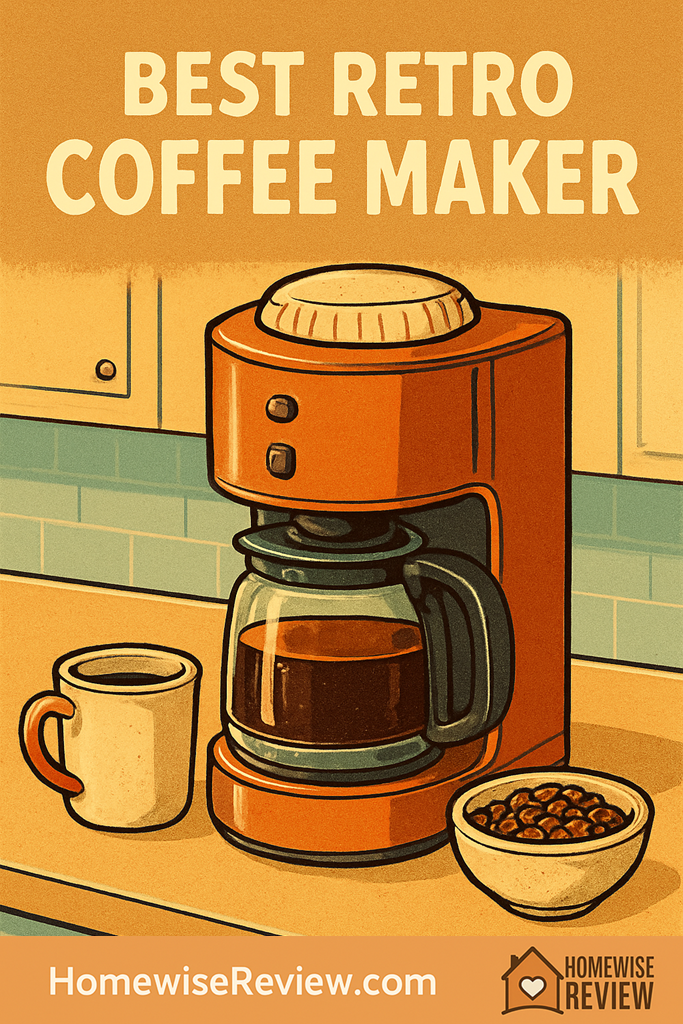
You want the retro look on your counter without settling for weak, lukewarm coffee. These are the vintage-style coffee makers that hold up in real daily use.
✨ 2026 Spotlight
2026 Spotlight: Color-led kitchen design is still steering interest in retro brewers, and the Smeg DCF02 50's Style Drip Coffee Maker continues to stand out for shoppers who want vintage character with everyday convenience. This year, there’s also renewed attention on durable, analog-style options like the Bialetti Moka Express Stovetop Espresso Maker and Farberware Classic Yosemite Stainless Steel Coffee Percolator, especially among buyers leaning toward simpler, non-digital brewing. If you want the old-school look without sacrificing cup quality, these styles remain especially worth a closer look in 2026.
In-depth Reviews
Smeg DCF02 50’s Style Drip Coffee Maker
- Simple to program for a reliable morning routine
- Consistent, no-fuss drip brewing once dialed in
- Guest-friendly controls and cleanup
- Warming plate can slowly dull flavor if coffee sits
- Glass carafe loses heat quickly off the plate
Technivorm Moccamaster KBGV Select Coffee Brewer
- Produces a noticeably cleaner, more balanced pot
- Very consistent from batch to batch
- Built to last with simple, serviceable parts
- Not ideal if you want built-in scheduling
- More expensive than style-first retro options
Haden Dorchester 12-Cup Programmable Coffee Maker
- Convenient scheduling for busy mornings
- Good everyday performance for family-size batches
- Straightforward operation and cleanup
- Flavor clarity is not as refined as top-tier brewers
- Results can be more sensitive to grind changes
Bialetti Moka Express Stovetop Espresso Maker
- Concentrated, café-style cup without pods
- Fast once you get your heat control right
- Minimal parts and easy rinsing between uses
- Takes practice to avoid bitterness
- Not the best fit if you want large batches
Farberware Classic Yosemite Stainless Steel Coffee Percolator
- Makes a bold pot without electricity
- Durable build with reusable basket
- Great for outdoors or backup brewing
- Easy to over-extract if you percolate too long
- Requires hands-on monitoring
Buying Guide
What We Wish We Knew Before Buying a Retro Coffee Maker
Plan for your “second cup” experience. A lot of retro drip machines use a glass carafe and warming plate, which is convenient but not always kind to flavor. If you like to sip slowly, brew a slightly smaller batch more often, or transfer coffee to an insulated bottle after brewing. If you regularly drink coffee over a longer window, prioritize a brewer that holds up when the pot sits.
Don’t ignore the messy details. Retro models sometimes look simple but create small daily annoyances: lids that trap grounds, baskets that drip when you pull them, or water tanks that are hard to read. Before you commit, think through your morning flow: fill, brew, pour, quick rinse. The best retro coffee maker is the one you can operate half-awake without wiping the counter every time.
Make descaling boring and automatic. Set a recurring reminder based on your water hardness, then keep your descaling method consistent. When scale builds up, you’ll usually notice slower brewing, less heat, and a dull taste. Staying ahead of it protects both flavor and lifespan, which matters more than any cosmetic detail when you’re investing in a statement appliance.
💡 Editor’s Final Thoughts
Final Verdict: The Smeg DCF02 is our top pick because it nails the retro countertop vibe while still being easy to live with day to day, especially if you want a programmable drip routine. If flavor and temperature consistency matter most, the Technivorm Moccamaster KBGV Select is the upgrade you’ll taste in every cup.
See also
If your coffee setup also includes tea, start with our electric kettles guide, then consider a few kitchen gadgets that actually earn counter space to streamline your mornings.
- Time-saving kitchen picks for busy moms
- Everyday kitchen accessories that upgrade your routine
- Kitchen gift ideas for home cooks, bakers, and coffee people
Frequently Asked Questions ▾
What actually makes a coffee maker “retro,” and what features matter most?
Retro usually means vintage-inspired colors, rounded shapes, chrome-style accents, and old-school switches or dials. The mistake is buying on looks alone. Prioritize a stable brew temperature, an even water distribution over the grounds, and a carafe setup that keeps coffee drinkable for more than a few minutes. Also check the “boring” stuff: a well-marked water tank, a brew basket that doesn’t drip everywhere when you remove it, and parts that are easy to rinse and reassemble before work.
Do retro drip coffee makers brew hot enough for good flavor?
Some do, some don’t. If a drip machine runs cool, coffee can taste flat, sour, or watery even with fresh beans. You can improve results by preheating the carafe (swirl in hot water and dump), using a medium grind (too coarse often tastes weak), and keeping your ratio consistent. If you care most about a reliably hot, well-extracted pot, a premium brewer built around temperature stability tends to be the safest bet, even if it has fewer “smart” features.
Glass carafe with a warming plate or thermal carafe: which is better?
Glass plus a warming plate is the classic diner setup, and it’s convenient if you pour multiple cups over the next hour. The trade-off is flavor drift: a warming plate can slowly “cook” coffee and dull the brighter notes, especially if it runs hot. A thermal carafe is better if you like to brew and sip over a longer stretch without that warmed-over taste. If you choose glass, look for a machine with a reasonable keep-warm behavior and get in the habit of turning it off once you’re done pouring.
How often should you descale a retro coffee maker, and what’s the easiest way?
If you use tap water, plan on descaling regularly. Hard water leaves mineral buildup that can slow brewing, drop temperature, and create off flavors. A simple routine is to run a descaling solution (or a vinegar-and-water mix if your manual allows it), then run a couple of plain-water cycles to clear any residue. Don’t forget the small stuff: remove and wash the brew basket and carafe lid, and wipe the warming plate once it’s cool. Clean coffee gear is the fastest “upgrade” you can make.
Moka pot vs percolator: which one is better for strong, retro-style coffee?
They’re strong in different ways. A moka pot makes a concentrated, espresso-like cup that’s great for small servings, milk drinks, or faux Americanos. It rewards a little attention to grind and heat control, and it can taste bitter if you rush it on high heat. A percolator makes a bigger pot with a bold, nostalgic profile, but it’s easier to over-extract if you let it cycle too long. If you want a punchy single mug, go moka. If you want a crowd-pleasing pot without electricity, go percolator.
As an Amazon Associate, we earn from qualifying purchases made through links on our site.